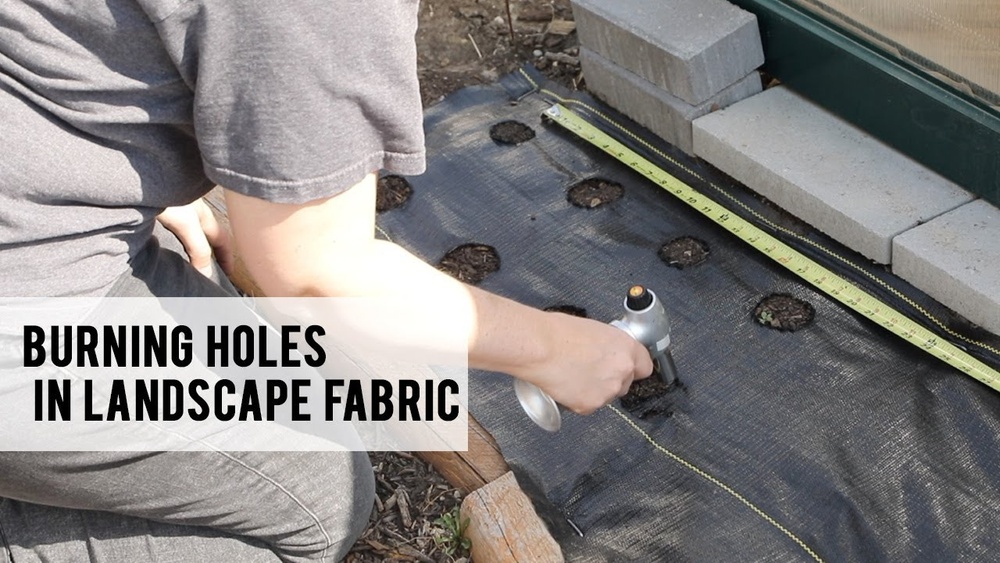
How To Burn Holes In Landscape Fabric
Landscape fabric is a staple in modern gardening, offering an efficient way to suppress weeds and streamline planting. Yet, when it comes time to add new plants or integrate irrigation, the challenge arises: how to create precise, durable holes without compromising the fabric’s integrity? Many gardeners default to cutting, but burning holes provides a cleaner, longer-lasting solution, preventing fraying and maintaining the fabric’s effectiveness.
Burning holes in landscape fabric is both an art and a science. The process requires careful technique, the right tools, and safety precautions. Whether you’re a professional landscaper or a DIY enthusiast, mastering this method can save you hours of maintenance and enhance your garden’s longevity. In this comprehensive guide, we’ll walk you through every aspect: from preparation and choosing the right tool, to step-by-step burning methods, troubleshooting, and real-world examples that showcase the benefits of this approach.
Key Takeaways
- Burning holes in landscape fabric prevents fraying and extends the material’s lifespan.
- Proper tools and preparation are essential for safe, precise hole creation.
- Different fabrics require tailored burning techniques for best results.
- Safety precautions must be prioritized to avoid accidents and ensure garden health.
- Real-world examples demonstrate improved weed suppression and planting efficiency.

Credit: www.woodprairie.com
Understanding Landscape Fabric And Its Purpose
Landscape fabric is engineered to provide weed control, moisture management, and soil stability in gardens and landscaping projects. It acts as a barrier that blocks sunlight to weeds while allowing water and nutrients to pass through, fostering healthy plant growth.
Types Of Landscape Fabric
There are several kinds of landscape fabric, each with unique properties:
- Woven fabric: Made from polypropylene strips woven together, offering high strength.
- Non-woven fabric: Manufactured from bonded fibers, typically thicker and used for heavy-duty projects.
- Spun-bond fabric: Lightweight, ideal for flower beds and vegetable gardens.
| Fabric Type | Durability | Permeability | Typical Applications |
|---|---|---|---|
| Woven | High | Medium | Pathways, under gravel |
| Non-woven | Very High | Low | Drainage, erosion control |
| Spun-bond | Medium | High | Flower beds, vegetable gardens |
Why Burn Holes Instead Of Cutting?
Cutting holes with scissors or knives often leads to frayed edges. Over time, fraying can widen the hole, let weeds through, and degrade the fabric. Burning creates a sealed edge, preventing unraveling and maintaining structural integrity. This method is especially valuable for long-term projects or areas with aggressive weed growth.

Credit: www.youtube.com
Preparing To Burn Holes In Landscape Fabric
Preparation is key to safe and effective burning. Before starting, assess your fabric, gather tools, and set up your workspace.
Assessing Fabric Composition
Different fabrics react differently to heat. Polypropylene and polyester fabrics melt and seal easily, while natural fibers (like jute) may burn rather than melt. Always check the manufacturer’s label or consult with a supplier.
- Synthetic fabrics: Ideal for burning, as they melt and seal.
- Natural fabrics: Not recommended; they can ignite and degrade.
Gathering Necessary Tools
For controlled burning, the following tools are recommended:
- Soldering iron: Offers precise heat application for small holes.
- Propane torch: Suitable for larger holes but requires careful handling.
- Butane lighter: Useful for quick, small burns.
- Hole templates: Metal rings or washers to guide the burn.
- Protective gloves and eyewear: Safety first.
Example: Burning with a soldering iron produces a clean, precise hole in polypropylene fabric without excessive melting.
Setting Up The Workspace
Choose a flat, fire-safe area, preferably outdoors, away from flammable materials. Lay the fabric taut to avoid wrinkles. Keep a bucket of water or fire extinguisher nearby for emergencies.
Pro Tip: Place aluminum foil under the fabric to protect surfaces and reflect heat, ensuring a more uniform burn.
Step-by-step Guide To Burning Holes
A systematic approach ensures clean, safe, and effective holes in landscape fabric.
Marking Hole Locations
Use a chalk or washable marker to outline where holes are needed. Spacing depends on plant size and garden layout:
- Vegetables: 12, 18 inches apart
- Perennials: 18, 24 inches apart
- Shrubs: 24, 36 inches apart
Choosing The Right Tool For The Job
Each tool offers unique advantages:
| Tool | Hole Size Range | Precision | Safety | Speed |
|---|---|---|---|---|
| Soldering Iron | 0.5, 2 inches | High | Safe | Medium |
| Propane Torch | 2, 8 inches | Medium | Requires Caution | Fast |
| Butane Lighter | 0.5, 1 inch | Low | Safe | Slow |
Burning The Holes
- Heat tool: Allow the soldering iron or torch to reach full temperature.
- Align template: Position a metal ring over the marked spot.
- Apply heat: Press the tool against the fabric, moving slowly around the template.
- Check seal: Ensure edges are melted and sealed; remove any excess residue.
- Cool and inspect: Allow the hole to cool, then inspect for uniformity.
Warning: Never leave heated tools unattended or apply excessive heat, as this can damage the fabric or cause fire.
Cleaning Up And Post-burn Inspection
Remove melted debris and inspect each hole. Look for:
- Smooth, sealed edges
- Consistent diameter
- No scorch marks or fabric thinning
If holes are uneven, repeat the process with a new template or adjust the heat.

Credit: www.littlefarmhouseflowers.com
Techniques For Different Fabric Types
Burning holes must be tailored to the fabric’s material and thickness for optimal results.
Woven Polypropylene
Woven polypropylene melts easily, forming strong, sealed edges. Use a soldering iron or torch for holes up to 4 inches in diameter. Move slowly to ensure full melting without scorching.
Pro Tip: For larger holes, use a propane torch with a metal template to avoid misshapen burns.
Non-woven Polyester
Non-woven polyester requires higher heat due to its thickness. A soldering iron with a broad tip or a torch on low setting works best. Always test on a scrap piece before burning main holes.
Example: A landscaper in Oregon reported improved weed suppression after switching from cut to burned holes in non-woven fabric, as the sealed edges prevented weed penetration.
Spun-bond Fabrics
Spun-bond fabrics are thinner and prone to over-melting. Use a low-power soldering iron and avoid prolonged contact. For best results, burn small holes and gently widen them if needed.
Specialized Fabrics (uv-stabilized)
Some fabrics contain UV stabilizers or chemical treatments. These may emit fumes when burned, use respiratory protection and work outdoors. Always consult the manufacturer’s guidelines.
Warning: Burning treated fabrics indoors can create hazardous fumes; ensure proper ventilation.
Safety Precautions And Environmental Considerations
Burning holes involves heat and potential smoke. Prioritizing safety and minimizing environmental impact is crucial.
Personal Safety Measures
- Wear gloves and safety glasses at all times.
- Keep a fire extinguisher nearby.
- Avoid loose clothing and tie back hair.
- Work in a well-ventilated area.
Fire Safety Protocols
- Never burn holes during windy conditions.
- Clear flammable debris from your workspace.
- Cool tools completely before storage.
Example: Using aluminum foil under the fabric prevents scorch marks on decking, especially when using a torch.
Environmental Impact
Synthetic fabrics may release fumes when melted. To reduce environmental risk:
- Work outdoors or under a fume hood.
- Use minimal heat and avoid burning large areas.
- Dispose of scraps responsibly.
Pro Tip: Consider biodegradable fabrics for eco-friendly projects, though these are typically less suited to burning.
Real-world Examples And Case Studies
Practical application underscores the value of burning holes in landscape fabric. Here are three real-world examples:
Vegetable Garden In California
A home gardener used a soldering iron to burn 50 holes for tomato plants in woven polypropylene fabric. After one season, the holes remained intact, and weed intrusion was reduced by 90%. The burned edges prevented fraying, resulting in less maintenance.
Commercial Landscaping Project
A landscaping company in Texas installed non-woven polyester fabric for a municipal park. They burned holes for shrubs using a propane torch and metal templates. Over three years, the holes showed minimal wear, and the fabric retained its weed barrier properties.
Ornamental Flower Bed
A community garden in New York switched from cut to burned holes in spun-bond fabric. Volunteers noted that burned holes maintained their shape, even after repeated watering and foot traffic. The sealed edges improved plant health by preventing soil migration.
Troubleshooting Common Issues
Even with careful technique, challenges can arise. Here’s how to address common issues:
Uneven Holes
If holes are misshapen, check the template size and tool heat. Too much heat can warp the fabric, while uneven pressure results in jagged edges. Practice on scrap fabric for consistency.
Excessive Melting
Overheating can cause holes to expand beyond the intended diameter. Reduce tool temperature and apply heat briefly. For thin fabrics, use a soldering iron with a narrow tip.
Scorched Or Burned Edges
Blackened edges indicate overheating or poor ventilation. Move the tool more quickly and ensure the workspace is well-ventilated.
Residue And Fumes
Residue buildup may occur with treated fabrics. Clean the tool regularly and avoid burning in confined spaces to limit fumes.
Pro Tip: For stubborn residue, wipe tools with a damp cloth while cool to prevent buildup.
Best Practices For Long-term Performance
Burning holes is only one part of maintaining landscape fabric. Here are proven strategies for maximizing lifespan and effectiveness:
Strategic Hole Placement
- Space holes to optimize plant growth and minimize weed exposure.
- Avoid clustering holes, which can weaken fabric structure.
Reinforcing Edges
For high-traffic areas, reinforce burned holes with metal grommets or rings. This prevents stretching and prolongs durability.
Routine Inspection
Check burned holes seasonally for signs of wear. If fraying or widening occurs, reseal edges with a soldering iron.
Coordinating With Irrigation
When installing drip irrigation, burn holes for emitters and lines. This keeps the fabric intact and reduces weed ingress.
Example: A market gardener in Vermont reported that burning holes for irrigation lines reduced system maintenance by 50%, as the sealed fabric prevented soil and weed migration.
Frequently Asked Questions
How Can I Minimize Fumes When Burning Holes In Landscape Fabric?
To reduce fumes, work outdoors or in a well-ventilated area. Use minimal heat and avoid burning treated fabrics indoors. Respiratory protection is recommended for fabrics with chemical coatings.
Is It Possible To Burn Holes In Landscape Fabric After Installation?
Yes, but it requires extra caution. Secure the fabric tightly and use templates to avoid burning surrounding areas. Protect plants and mulch from heat exposure.
What Is The Ideal Hole Size For Vegetable Planting?
Ideal hole sizes range from 1, 2 inches for small plants to 3, 4 inches for larger vegetables. Adjust based on plant root ball size and spacing requirements.
Are Burned Holes Suitable For All Landscape Fabrics?
Burned holes work best in synthetic fabrics like polypropylene and polyester. Natural fabrics may ignite rather than melt and are not recommended for this technique.
Can I Use A Soldering Iron For Large Holes, Or Should I Switch To A Torch?
Soldering irons are best for small to medium holes (up to 2 inches). For larger holes, a propane torch with a metal template offers more control and efficiency.
Burning holes in landscape fabric is a practical, durable solution for gardeners and landscapers seeking long-term weed control and efficient planting. With careful preparation, the right tools, and attention to safety, you can enhance your garden’s performance and reduce maintenance. Real-world examples and proven best practices demonstrate the advantages of burned holes, making this method a valuable addition to any landscaping toolkit. For further reading on landscape fabric maintenance, consult resources such as Wikipedia and Source Name.