Why Are There Tiny White Bugs in My Plant’S Soil? Fix It Now
Tiny white bugs crawling in the soil of your favorite houseplant can be unsettling. For many gardeners and plant enthusiasts, spotting these minuscule invaders sparks immediate concern about plant health, soil quality, and possible infestations. These bugs, often barely visible, can range from harmless decomposers to destructive pests.
Their sudden appearance may indicate underlying issues in your plant care routine, or a natural ecological process occurring right beneath the surface.
Understanding what these tiny white bugs are, why they appear, and how to safely remove them is crucial for maintaining healthy plants and preventing damage. This article delves into the science behind these pests, explores the most common types, and provides actionable strategies to fix the problem fast.
Whether you’re dealing with fungus gnats, springtails, or root aphids, you’ll discover practical solutions backed by research and expert advice. By the end, you’ll be equipped to identify, eradicate, and prevent these bugs, restoring your plant’s soil ecosystem and peace of mind.
Key Takeaways
- Tiny white bugs in plant soil are commonly fungus gnats, springtails, or root aphids.
- Most bugs appear due to excess moisture or decaying organic matter.
- Some white bugs are beneficial decomposers, but others can damage roots or spread disease.
- Effective fixes include drying soil, repotting, and targeted pest control methods.
- Early identification and prevention are essential for healthy indoor plants.

Credit: www.youtube.com
Common Types Of Tiny White Bugs In Plant Soil
Understanding the different species that inhabit plant soil is key to both diagnosis and treatment. Let’s break down the most prevalent types, their characteristics, and their impact.
Fungus Gnats
Fungus gnats (family Sciaridae) are small, mosquito-like insects often seen hovering near soil. Their larvae are tiny, white, and worm-like, feeding on decaying organic matter and sometimes plant roots.
- Size: Adults are 2–4 mm; larvae are <1 mm.
- Habitat: Moist, organic-rich soil.
- Impact: Larvae can damage seedling roots, causing stunted growth.
- Visibility: Adults fly; larvae are white, barely visible in soil.
Fungus gnats are extremely common in indoor environments, especially in homes and greenhouses where humidity and organic-rich soils are prevalent. The adult gnats themselves are mostly a nuisance, but their larvae can pose serious problems for seedlings and young plants.
The larvae feed on fungi and decaying material but will also attack plant roots when food sources are scarce. This root damage can lead to reduced water uptake, increased susceptibility to disease, and in severe cases, plant death. Fungus gnats reproduce rapidly, and a single female can lay up to 200 eggs in moist soil.
If conditions are favorable—such as frequent watering and high humidity—populations can explode in a matter of weeks.
Springtails
Springtails (order Collembola) are tiny, white or translucent insects that jump when disturbed. They thrive in moist environments and feed on decaying matter.
- Size: 0.2–6 mm (most are <2 mm).
- Habitat: Damp soil, leaf litter.
- Impact: Generally harmless; some help decompose organic matter.
- Visibility: Often seen hopping on soil surface.
Springtails are often mistaken for pests due to their numbers and movement, but they rarely harm healthy plants. Their jumping ability comes from a forked appendage called a furcula, which allows them to launch themselves away from threats. Springtails thrive in soils with high organic content and moisture, making them common in compost bins and potting mixes.
In rare cases, when populations are extremely dense, they may feed on delicate roots or seedlings, but this is the exception rather than the rule. In fact, springtails play an important role in soil health by breaking down organic material and recycling nutrients.
Their presence is often an indicator of a rich, living soil ecosystem.
Root Aphids
Root aphids (family Aphididae) infest plant roots. These bugs are white or pale, and their feeding can cause plant stress.
- Size: 1–2 mm.
- Habitat: Soil, attached to roots.
- Impact: Suck plant juices, causing yellowing and wilting.
- Visibility: Hard to spot without uprooting plant.
Root aphids are sneaky pests that often go undetected until the plant shows signs of distress. Unlike their above-ground relatives, root aphids are adapted to living below the soil surface. They attach themselves to plant roots and feed by sucking out plant juices, which can severely weaken the plant over time.
Signs of root aphid infestation include yellowing leaves, wilting, slow growth, and poor flowering or fruiting. Root aphids can also transmit plant viruses and create entry points for fungal pathogens. Because they are hidden below the soil, infestations can persist for months before being discovered.
Soil Mites
Soil mites are tiny arthropods, often white or translucent. Most are harmless and play a role in decomposition.
- Size: 0.2–2 mm.
- Habitat: Rich, organic soil.
- Impact: Beneficial decomposers, not plant pests.
- Visibility: Move slowly, not easily noticed.
Soil mites are a diverse group, including both predatory and decomposer species. The decomposer mites feed on dead organic matter, fungi, and bacteria, accelerating the breakdown of plant material and helping to maintain soil health. Some predatory mites can help control populations of other soil pests, such as fungus gnat larvae and thrips.
Soil mites rarely, if ever, feed on live plant tissue and are considered beneficial. Their presence is a sign of healthy, active soil biology.
Mealybugs
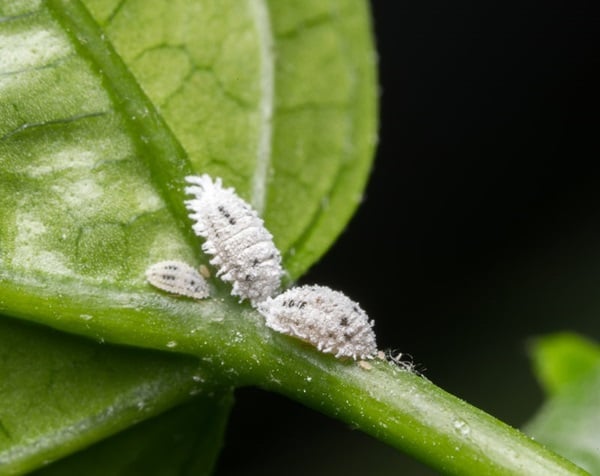
Mealybugs occasionally reside in soil, especially around roots. These insects have a white, waxy coating.
- Size: 2–4 mm.
- Habitat: Soil, plant roots.
- Impact: Can damage roots and stunt plant growth.
- Visibility: White, cotton-like clusters.
Mealybugs are more commonly seen on stems and leaves, but some species will infest plant roots, forming colonies that look like white cottony masses. Root mealybugs feed on plant juices, leading to stunted growth, yellowing, and even plant death if populations are large.
They can also facilitate the growth of sooty mold by excreting honeydew, a sticky substance that encourages fungal growth.
Comparison Table: Common White Bugs In Plant Soil
| Bug Type | Size | Habitat | Impact | Visibility |
|---|---|---|---|---|
| Fungus Gnats | 2–4 mm (adult), <1 mm (larva) | Moist soil | Root damage | Adults fly, larvae in soil |
| Springtails | 0.2–6 mm | Damp soil | Mostly harmless | Jumping on surface |
| Root Aphids | 1–2 mm | Attached to roots | Root damage | Hard to spot |
| Soil Mites | 0.2–2 mm | Organic soil | Beneficial | Slow-moving |
| Mealybugs | 2–4 mm | Roots, soil | Root damage | Cottony clusters |
Credit: www.terminix.com
Why Tiny White Bugs Appear In Plant Soil
Pinpointing the causes of these bugs is essential for prevention. Several factors contribute to their presence.
Excess Moisture
Overwatering is the top culprit. Moist soil creates ideal breeding conditions for fungus gnats, springtails, and soil mites. Most bugs thrive in damp environments, making indoor plants especially susceptible.
- Data: A study by the University of Kentucky found that fungus gnats proliferate rapidly in continuously moist soil, especially in houseplants (University of Kentucky).
- Example: Overwatered pothos plants often attract fungus gnats within days.
Moisture is a critical factor for most soil-dwelling bugs. Fungus gnat eggs and larvae require a damp environment to survive, and springtails are unable to withstand dry conditions for long periods. Soil mites and other decomposers also prefer moist, organic-rich soils.
Indoor environments often create ideal conditions, especially when plants are watered on a strict schedule rather than based on actual soil moisture needs. Self-watering pots, trays with standing water, and humidifiers can all increase the likelihood of bug infestations. Some bugs, such as root aphids, are less dependent on surface moisture but still thrive in soils that are not allowed to dry out periodically.
Decaying Organic Matter
Decomposition releases nutrients but also attracts decomposer bugs. Excess leaf litter, peat, or compost in soil is a magnet for springtails and soil mites.
- Impact: While some decomposers are beneficial, they can signal poor soil hygiene or imbalance.
- Example: Organic-rich potting mixes without proper drainage can harbor bugs.
Organic matter such as dead leaves, old roots, and decaying plant material provides an abundant food source for soil-dwelling bugs. While decomposition is a natural process, an excess of decomposing material can lead to population booms of decomposer insects and mites.
This is particularly true in potting mixes with high amounts of peat, compost, or bark. If not properly managed, the decomposition process can also create conditions favorable for pests like fungus gnats, whose larvae feed on both organic matter and live plant roots when competition increases.
Poor Drainage
Soil that retains water encourages bug infestations. Containers lacking adequate drainage holes exacerbate moisture issues.
- Statistics: According to the EPA, up to 30% of household plants suffer from drainage-related pest issues (EPA).
Drainage is fundamental to healthy plant soil. Without proper drainage, water accumulates in the lower portions of the pot, creating anaerobic conditions and encouraging the growth of fungi and bacteria. These conditions are ideal for fungus gnat larvae and other soil pests.
Clay pots or containers with multiple drainage holes can help mitigate this risk, while plastic pots without holes or with blocked drainage can quickly become breeding grounds for bugs. Ensuring your pots are well-designed and regularly checking for blockages is a simple but effective preventive measure.
Introduction Of Infected Soil
Bringing in new plants or soil can introduce pests. Many bugs hitchhike on nursery plants or store-bought potting mix.
- Case Study: A survey of retail potting mixes by Colorado State University revealed that 15% contained live springtails or fungus gnat larvae (Colorado State University Extension).
The movement of plants and soil between locations is a major pathway for pest introduction. Many commercial potting mixes are produced in bulk and stored in environments that can harbor pests. Nursery plants, especially those grown in greenhouses, are frequently exposed to soil-borne insects, and these bugs can be transported into homes when the plants are purchased.
Quarantining new plants and sterilizing soil before use are essential steps to prevent introducing bugs into your home or greenhouse environment.
Environmental Factors
High humidity, lack of air circulation, and warm temperatures increase bug survival rates.
- Data: Springtail populations spike in humid environments above 60% relative humidity.
Environmental conditions, such as temperature and humidity, play a crucial role in bug populations. Warm, humid environments accelerate bug reproduction and the breakdown of organic matter. Rooms with limited air circulation, such as those with closed windows or thick curtains, tend to retain humidity, creating an ideal microclimate for soil bugs.
Even the placement of plants in certain rooms—like bathrooms or kitchens—can influence bug presence, as these spaces are naturally more humid.
Are Tiny White Bugs Harmful To Plants?
Not all white bugs are a threat. Knowing which are harmful and which are benign helps you decide if intervention is necessary.
Harmless Decomposers
Many soil mites and springtails are beneficial decomposers. They help break down organic matter, improving soil structure and nutrient cycling.
- Benefit: These bugs rarely harm plants and are part of healthy soil ecology.
- Example: Springtails in compost-rich containers accelerate decomposition.
Healthy soil is teeming with life, including bacteria, fungi, and a host of microfauna. Springtails and soil mites are integral to this ecosystem, helping to break down organic matter and recycle nutrients. Their activity improves soil texture, increases aeration, and supports beneficial microbes.
Removing these decomposers can actually harm plant health by reducing nutrient availability and disrupting soil balance. For most houseplants, the presence of springtails or soil mites is a sign of healthy soil and should not be a cause for alarm unless populations are excessively large.
Pests That Damage Roots
Root aphids, fungus gnat larvae, and mealybugs can cause significant harm.
- Symptoms: Wilting, yellowing leaves, stunted growth, and poor flowering.
- Mechanism: These bugs feed on roots, reducing water and nutrient uptake.
When pest populations grow unchecked, they can cause severe root damage. Fungus gnat larvae will chew through tender root tissue, especially in seedlings and young plants, leading to reduced water uptake and nutrient deficiency. Root aphids and mealybugs feed by piercing roots and sucking out sap, which weakens the plant and makes it more vulnerable to environmental stress.
In severe cases, infested plants may die or fail to recover even after pests are removed. Plants with compromised roots are also more likely to succumb to fungal diseases and rot.
Disease Transmission
Some bugs may transmit fungal or bacterial diseases.
- Risk: Fungus gnats can carry pathogens, leading to root rot or damping-off.
- Statistics: Up to 20% of greenhouse losses are attributed to pest-related disease spread (American Phytopathological Society).
In addition to direct feeding damage, some soil bugs act as vectors for plant diseases. Fungus gnats, for example, can carry fungal spores on their bodies, introducing pathogens such as Pythium or Fusarium into the soil. These pathogens cause root rot and damping-off, diseases that can devastate seedlings and young plants.
Root aphids can also facilitate the entry of viruses and bacteria by creating wounds in plant tissue. Controlling bug populations is therefore not only about preventing physical damage but also about reducing disease risk.
Real-world Example
A commercial orchid grower noticed yellowing leaves and poor blooms. Inspection revealed fungus gnat larvae feeding on roots. After switching to a sterile, well-drained potting mix and drying out the soil, plant health improved within weeks.
The grower also implemented regular inspections and adjusted the watering schedule, allowing the soil to dry out between waterings. Sticky traps were used to monitor adult fungus gnat populations, and neem oil was applied to the soil surface as a preventive measure.
Over the course of a month, the infestation subsided, and the orchids began to recover, producing healthy leaves and blooms.

Credit: www.almanac.com
How To Identify Tiny White Bugs In Plant Soil
Spotting and identifying these bugs is the first step toward effective treatment.
Visual Inspection
Examine soil, roots, and container edges closely. Use a magnifying glass to spot larvae or clusters.
- Signs: Jumping bugs, cottony masses, white worms, or clusters around roots.
- Tip: Inspect at dusk when bugs are most active.
Visual inspection is often the first line of defense. Look for signs of movement on the soil surface, especially after watering when bugs are more active. Springtails may be seen jumping away from the soil, while fungus gnat adults fly near the pot.
Mealybugs appear as white, cottony clusters, often around the base of stems or in root zones. Soil mites move slowly and may be spotted crawling along the soil surface or container edges. A hand lens or magnifying glass can help distinguish between different bug types.
Soil And Root Examination
Remove the plant gently from the pot and check roots for pests.
- Method: Tap the soil, then observe for moving bugs or visible damage.
- Indicators: Discolored, mushy roots often signal pest activity.
For suspected root pests, carefully unpot the plant and examine the root zone. Look for clusters of bugs attached to roots, visible larvae, or signs of damage such as discoloration, mushiness, or rot. Mealybugs and root aphids are most commonly found in the root zone, often hidden from view.
Healthy roots are firm and white, while damaged roots may be brown, black, or slimy.
Use Of Sticky Traps
Sticky traps placed near soil surface catch flying adults like fungus gnats.
- Data: Yellow sticky traps capture up to 80% of fungus gnat adults in a week.
Sticky traps are a valuable tool for monitoring flying insect populations. Place traps just above the soil surface to catch fungus gnats and other small flying pests. The color yellow is particularly attractive to fungus gnats, and regular inspection of traps can help gauge the severity of an infestation.
Traps do not eliminate larvae, but they can reduce adult populations and serve as an early warning system.
Professional Diagnosis
For persistent issues, consult a horticulturist or extension service.
- Resource: The USDA offers pest identification services for homeowners (USDA).
If you cannot identify the bugs or if infestations persist despite treatment, seek professional advice. Extension services and horticulturists can provide accurate identification and recommend tailored solutions. They may also offer laboratory analysis of soil samples, which can uncover hidden pests or pathogens.
Comparison Table: Identification Methods
| Method | Bug Types Detected | Ease of Use | Accuracy |
|---|---|---|---|
| Visual Inspection | All | Easy | Moderate |
| Sticky Traps | Flying adults | Easy | High (for adults) |
| Root Examination | Root aphids, mealybugs | Medium | High |
| Professional Diagnosis | All | Complex | Very High |
How To Get Rid Of Tiny White Bugs In Plant Soil
Immediate action is vital when bugs threaten plant health. Here are proven solutions, ranked by effectiveness.
1. Dry Out The Soil
Reducing moisture is the fastest way to disrupt bug breeding cycles.
- Method: Allow soil to dry between waterings.
- Impact: Fungus gnats and springtails decline as soil dries.
Allowing the soil to dry out between waterings is a highly effective method for controlling moisture-loving bugs. Most pests cannot survive in dry conditions, and this approach also discourages fungal growth. For plants that tolerate drought, such as succulents and cacti, drying out the soil completely between waterings can eliminate infestations.
For more sensitive plants, monitor soil moisture closely, and water only when the top inch is dry to the touch.
2. Remove Decaying Material
Clean out dead leaves and organic debris from soil surface.
- Benefit: Reduces food sources for decomposer bugs.
Regularly removing dead leaves, stems, and other organic debris from the soil surface minimizes food sources for bugs. This practice also improves air circulation and reduces humidity around the plant base. Use clean, sterilized tools to avoid introducing new pests or pathogens.
3. Repotting With Fresh Soil
Replace infected soil with sterile, well-drained potting mix.
- Step-by-step:
- Remove plant gently.
- Wash roots under running water.
- Discard old soil.
- Pot with new, sterile mix.
Repotting is one of the most reliable ways to eliminate soil-borne bugs. Carefully remove the plant from its container, shake off as much old soil as possible, and rinse the roots with lukewarm water. Inspect for pests, and trim away damaged roots.
Choose a sterile, well-draining potting mix and a clean container. For severe infestations, consider treating roots with a mild hydrogen peroxide solution before repotting.
4. Apply Natural Pest Controls
Use biological controls and homemade remedies.
- Neem oil: Effective against fungus gnats and root aphids.
- Diatomaceous earth: Sprinkle on soil to deter crawling bugs.
- Beneficial nematodes: Release in soil to attack larvae (Biological Control Organization).
Neem oil is a natural pesticide that disrupts insect growth and reproduction. Mix according to package instructions and apply to soil and plant surfaces. Diatomaceous earth is a fine, powdery substance made from fossilized diatoms. It works by dehydrating and physically damaging insects upon contact.
Beneficial nematodes are microscopic worms that prey on insect larvae in the soil, reducing populations of fungus gnats, root aphids, and other pests. These methods are safe for most plants and do not harm beneficial soil organisms.
5. Use Insecticides (as Last Resort)
Select low-toxicity options for indoor plants.
- Pyrethrin sprays: Target fungus gnats and aphids.
- Hydrogen peroxide solution: Dilute and pour into soil to kill larvae.
Chemical insecticides should be used only when other methods fail, and always follow label instructions. Pyrethrin sprays are derived from chrysanthemum flowers and are effective against a range of soil pests. Hydrogen peroxide can be diluted (1 part 3% hydrogen peroxide to 4 parts water) and poured into the soil to kill larvae.
Avoid overuse, as chemicals can disrupt soil ecology and harm beneficial organisms.
6. Introduce Predatory Insects
Ladybugs and predatory mites can control pest populations naturally.
Predatory insects are a sustainable option for larger or persistent infestations. Ladybugs feed on aphids, while predatory mites attack fungus gnat larvae and other soil pests. These insects can be purchased from specialist suppliers and released into greenhouses or indoor gardens.
Real-world Case Study
A San Francisco homeowner struggled with persistent fungus gnats in their succulents. After implementing a drying cycle, adding sticky traps, and top-dressing the soil with sand, the infestation disappeared within two weeks.
The homeowner also experimented with diatomaceous earth and neem oil, finding that these treatments provided additional control. Regular inspection of plants and soil, combined with good watering practices, ensured that the bugs did not return.
Data Table: Pest Control Effectiveness
| Control Method | Effectiveness (%) | Time to Results | Safety for Plants |
|---|---|---|---|
| Drying Soil | 70 | 1-2 weeks | High |
| Neem Oil | 80 | 1 week | High |
| Repotting | 90 | Immediate | High |
| Sticky Traps | 60 | 1-2 weeks | Very High |
| Insecticides | 95 | 2–3 days | Medium |
Preventing Tiny White Bugs In Plant Soil
Proactive measures save time, money, and plant health. Here’s how to keep bugs away for good.
Proper Watering Practices
- Allow soil to dry: Water only when top inch is dry.
- Avoid standing water: Ensure pots drain freely.
Monitoring soil moisture is the most effective prevention strategy. Use your finger or a moisture meter to check soil before watering. Avoid watering on a strict schedule, as environmental conditions change throughout the year. If your pots have saucers, empty them after watering to prevent standing water.
For plants sensitive to drying, consider using a well-draining mix or adding perlite, sand, or gravel to improve aeration.
Soil Hygiene
- Use sterile potting mix: Avoid garden soil for indoor plants.
- Remove debris: Clear dead leaves and stems regularly.
Garden soil often contains pests and pathogens. Choose high-quality, sterile potting mixes for indoor plants. Store unused soil in sealed containers and avoid reusing soil from old pots unless sterilized. Clean up plant debris regularly, and disinfect tools and containers between uses.
Quarantine New Plants
- Inspect for bugs: Before introducing new plants, check soil and roots.
- Isolate for 2 weeks: Monitor for signs of pests.
When bringing in new plants, thoroughly inspect leaves, stems, soil, and roots for signs of bugs. Isolate new additions for at least two weeks, monitoring for pest activity. This practice prevents the spread of bugs to established plants and allows for early intervention.
Improve Air Circulation
- Space plants: Avoid overcrowding.
- Use fans: Increase airflow in humid rooms.
Crowded plants increase humidity and reduce air circulation, creating ideal conditions for bugs. Space plants apart to allow airflow, and use fans or open windows when possible. Good air movement discourages pests and reduces disease risk.
Temperature And Humidity Control
- Keep humidity below 50%: Use dehumidifiers if needed.
- Maintain moderate temperatures: Avoid extremes.
Humidity and temperature are easy to monitor with inexpensive devices. Keep humidity below 50%, especially in winter when indoor air can become damp. Avoid placing plants near heaters, radiators, or in cold drafts, as these extremes stress plants and increase pest susceptibility.
Real-world Example
A Chicago office manager rotated watering schedules and installed dehumidifiers. Their plant collection remained bug-free, with vibrant growth for over a year.
The manager also used sticky traps as a preventive measure and cleaned up plant debris regularly. By following these simple steps, pest problems were avoided, and the plants flourished.
Environmental And Ecological Implications
Tiny bugs play a role in soil health and ecosystem balance. Overreacting can disrupt beneficial populations.
Beneficial Roles
- Decomposition: Springtails and soil mites recycle nutrients.
- Microbial balance: Some bugs help suppress harmful pathogens.
A balanced soil ecosystem is crucial for plant health. Decomposer bugs improve soil structure, aeration, and fertility. Predatory mites and other beneficial insects help control pest populations naturally, reducing the need for chemical interventions. Removing all soil bugs can upset this balance, leading to poor plant growth and increased disease risk.
Risks Of Overusing Chemicals
Excessive pesticide use harms beneficial organisms and can lead to resistance.
- EPA Warning: Chemical misuse threatens indoor air quality and non-target species (EPA Pesticides).
Chemical pesticides can kill beneficial insects, soil microbes, and even damage plants. Overuse also increases the risk of pests developing resistance, making future control more difficult. Indoors, pesticides can impact air quality and pose risks to pets and humans.
Sustainable Pest Management
Opt for integrated pest management (IPM), combining cultural, biological, and chemical controls only when necessary.
IPM emphasizes prevention, monitoring, and the use of multiple control methods. By combining good watering practices, soil hygiene, biological controls, and targeted chemical treatments, you can manage pests effectively while protecting soil health and the environment.
Frequently Asked Questions
What Are The Most Common Tiny White Bugs In Plant Soil?
The most common bugs are fungus gnats, springtails, root aphids, and soil mites. Fungus gnats and springtails thrive in moist soil, while root aphids and mealybugs are more likely to infest plant roots.
Are All Tiny White Bugs Harmful To My Plants?
No, many are harmless decomposers like springtails and soil mites. They help break down organic matter. However, fungus gnat larvae, root aphids, and mealybugs can damage roots and cause plant health issues.
How Do I Get Rid Of Tiny White Bugs In Plant Soil Naturally?
Natural methods include drying out the soil, removing debris, repotting with sterile mix, applying neem oil or diatomaceous earth, and introducing beneficial nematodes. Sticky traps catch flying adults.
How Can I Prevent Tiny White Bugs From Returning?
Prevent recurrence by watering properly, using sterile soil, removing debris, quarantining new plants, and maintaining good air circulation. Monitor humidity and avoid overwatering.
Can Tiny White Bugs Spread To Other Plants?
Yes, bugs like fungus gnats and root aphids can migrate. Isolate affected plants and treat soil promptly to prevent spread.
Keeping your plant’s soil free of tiny white bugs requires vigilance, smart watering, and a balanced approach to pest management. By understanding which bugs are present, how they impact your plants, and the best ways to fix the problem, you can maintain a thriving indoor garden. Remember: healthy soil equals healthy plants, and early intervention makes all the difference.