Why Someone Might Prefer Spray Irrigation Over Drip Systems
Choosing the right irrigation system can change how successful and efficient a farm, garden, or landscape project becomes. Many people today hear about the benefits of drip irrigation, often called the gold standard for water-saving. Yet, spray irrigation still attracts strong preference among farmers, landscape managers, and even home gardeners. Why does this system, with its visible spraying of water over a wide area, remain popular when drip seems more modern and efficient? The answer is more complex than you might expect.
This article explores the practical, economic, and environmental reasons someone might prefer spray irrigation over drip systems. You’ll discover not only the basic pros and cons but also some less obvious factors that influence real-world decisions. Whether you’re planning a large agricultural project or just want to water your backyard, understanding these factors can help you make a smarter choice.
Understanding The Basics: Spray Vs. Drip Irrigation
Before comparing, it’s important to be clear about what each system is and how it works.
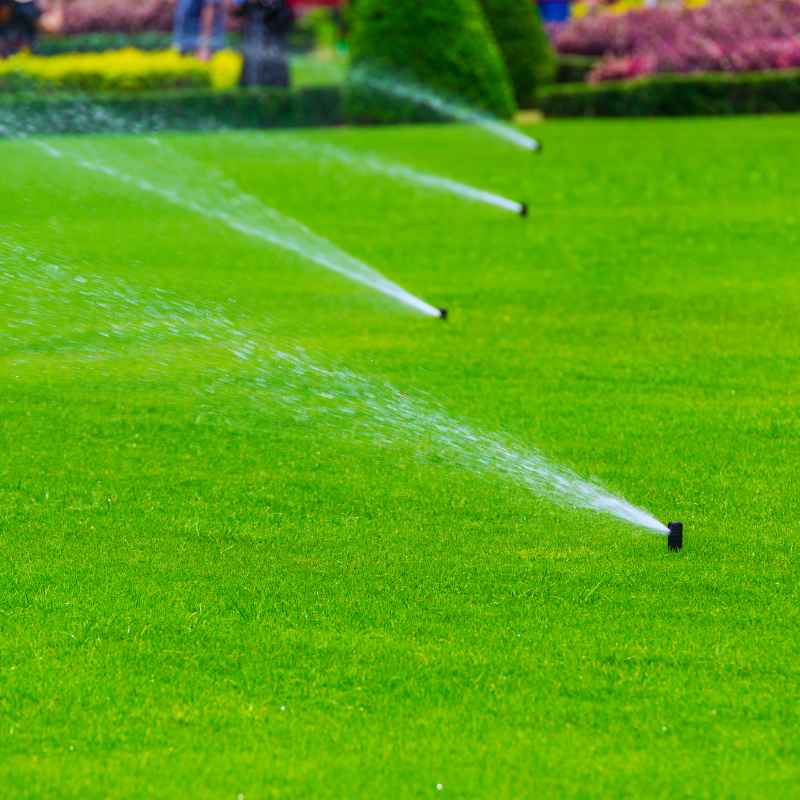
Spray irrigation uses pressurized water forced through pipes and out of spray heads or sprinklers. These heads can be fixed or rotating, and they distribute water in droplets across the soil surface. You see this system on sports fields, lawns, and many crop fields.
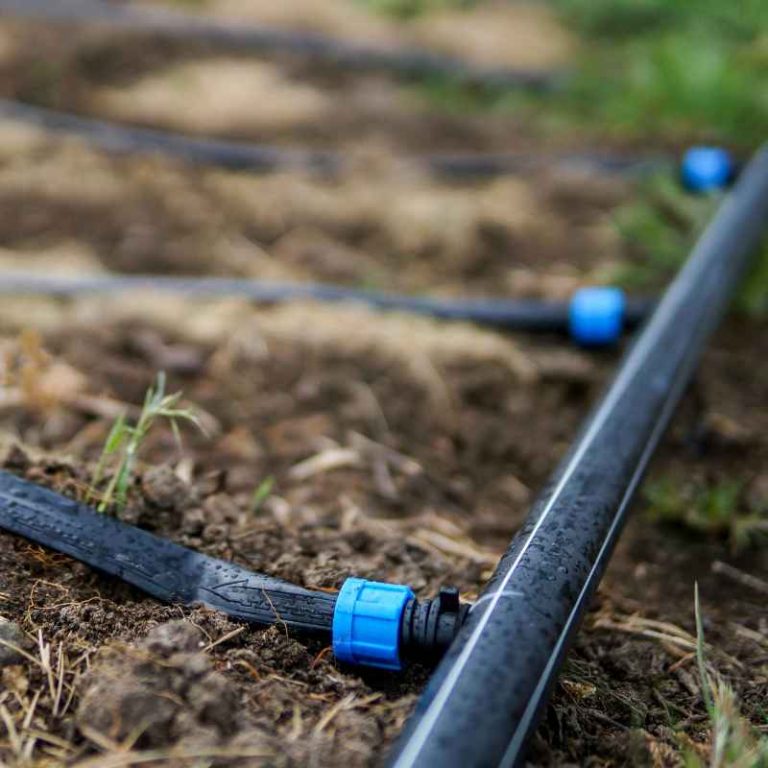
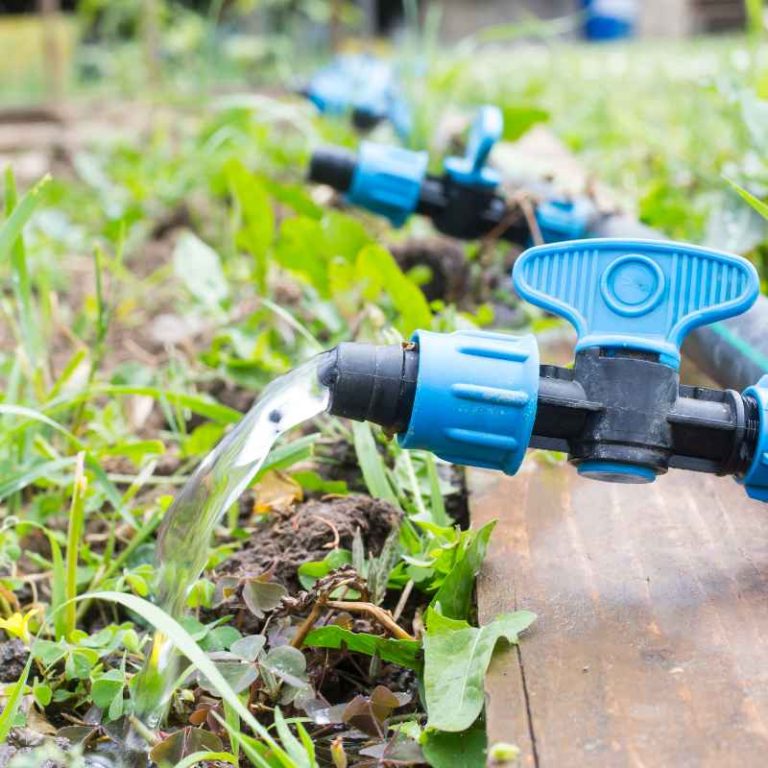
Drip irrigation delivers water slowly and directly to the base of plants through a network of tubes and emitters. Water flows at low pressure, dripping into the root zone. This system is often praised for minimizing evaporation and runoff.
Here’s a quick visual comparison:
| Feature | Spray Irrigation | Drip Irrigation |
|---|---|---|
| Water Delivery | Above ground, over large area | Direct to soil, near roots |
| Installation | Moderate complexity | Can be complex for large areas |
| Visible Operation | Yes | No |
| Common Use | Lawns, grains, pastures | Orchards, vineyards, row crops |

Cost And Installation: The Reality For Many Users
The initial cost and the complexity of installation are major factors for choosing between these systems.
Lower Upfront Costs
Spray irrigation systems are often less expensive to install on a per-acre basis, especially for larger, open areas. The hardware is widely available, and the technology is well understood. Many common sprinkler heads, pipes, and controllers are mass-produced, which keeps prices competitive.
Drip irrigation, meanwhile, often demands more upfront investment for pipes, emitters, filters, and pressure regulators. The cost per acre can rise quickly, especially when you factor in the extra labor required to lay out tubing for each row or plant.
Simpler Installation For Large Areas
For large lawns, parks, or crop fields, the labor needed to set up a spray system is often less. You can install fewer lines and cover a bigger area with each sprinkler head. In contrast, drip systems require more tubing and connections, which means more time and, sometimes, skilled labor.
Here’s a rough cost comparison:
| Item | Spray Irrigation (per acre) | Drip Irrigation (per acre) |
|---|---|---|
| Materials | $800 – $1,500 | $1,500 – $2,500 |
| Installation Labor | $400 – $900 | $1,000 – $2,000 |
| Total Initial Cost | $1,200 – $2,400 | $2,500 – $4,500 |
Costs can vary based on location, labor rates, and the quality of components, but spray irrigation usually wins out for budget-conscious projects, especially at scale.
Flexibility And Adaptability To Different Landscapes
One often-overlooked advantage of spray irrigation is how easily it can be adapted to different terrains and plantings.
Suitable For Many Plant Types
Spray systems can water a mix of grass, shrubs, flowers, and even small trees in the same area. For public parks, sports fields, and landscapes where plant types are diverse and change over time, spray offers unmatched flexibility.
Drip systems are highly effective for row crops, orchards, and vineyards where plant spacing is regular and predictable. But when you want to water mixed borders, irregular beds, or switch between crops each season, retrofitting or adjusting a drip system can become time-consuming.
Easier To Reconfigure
If you need to change the layout—maybe you’re replanting, expanding a lawn, or adding a garden bed—spray heads can be moved or adjusted with relative ease. Drip tubing, on the other hand, often needs to be cut, re-buried, or replaced entirely.
Terrain Challenges
On sloped or uneven ground, spray irrigation can sometimes be more practical. Drip lines on slopes risk uneven water distribution due to gravity—lower areas might get flooded, while higher areas stay dry. With properly designed spray systems, you can often adjust head placement and spray pattern to compensate for these challenges.
Time And Labor: Maintenance And Management Differences
Choosing an irrigation system is not just about buying and installing. It’s about maintaining and operating it over many years.
Maintenance Simplicity
Spray systems have fewer small parts that can clog or break. While heads might need cleaning or replacing, the risk of emitters getting blocked by dirt, salts, or roots (as happens with drip) is much lower. Sprinkler heads are also above ground, making them easier to inspect and fix.
Drip systems require regular flushing and careful filtering of water to prevent clogs. If an emitter fails, it may go unnoticed for weeks—leading to dry plants and lost yield.
Seasonal Adjustments
In regions with freezing winters, spray irrigation can be easier to winterize. You simply drain or blow out the main pipes and heads. Drip tubing, especially if buried, can trap water and burst if not properly emptied, adding risk and maintenance work.
Labor Over Time
For large-scale systems, ongoing labor can be a hidden cost. Spray systems, because of their visibility, make it easy to spot broken heads or leaks. With drip, you often have to walk each row, checking for dry spots or overwatering—work that can add up, especially when the system covers many acres.
Water Application: Uniformity And Coverage
Watering evenly is crucial for healthy plant growth, especially in crops or lawns.
More Uniform For Certain Crops
Spray irrigation can deliver water more uniformly over a wide area, which is important for grains, pastures, or turf grass. Each plant receives a similar amount of water, reducing the risk of dry patches or uneven growth.
Drip systems can sometimes create uneven wetting, especially if emitters clog or pressure is not balanced across the network. For crops that are shallow-rooted or densely planted, spray often provides more consistent coverage.
Faster Application For Large Areas
Spray systems can water large fields quickly, which is helpful when time or pump capacity is limited. During hot, dry weather, getting water to all plants before stress occurs can make a real difference in crop yield or lawn health.
Drip systems, by design, deliver water slowly. Covering many acres may require long run-times or multiple zones, which means more management and sometimes more energy use to keep pressure steady.
Environmental And Climate Considerations
There’s a common belief that drip irrigation is always “greener” or more sustainable. While it is true that drip can save water under many conditions, spray irrigation has its own environmental strengths.
Cooling Effect In Hot Climates
On hot days, spray irrigation can cool the air and plants. When water evaporates from the leaves and soil surface, it reduces leaf temperature and heat stress. This effect can be vital for certain crops (like lettuce or spinach) that suffer in extreme heat.
Drip irrigation does not provide this cooling, as water never touches the leaves. In some environments, this can lead to higher plant stress and, paradoxically, lower yields if temperatures spike.
Leaching And Salt Management
In areas with saline soils or irrigation water, spray systems can help wash salts from the root zone. By wetting the surface more broadly, they move salts down and away from sensitive roots, reducing the risk of salt burn and poor growth.
Drip irrigation, because it wets only a small soil volume, can sometimes cause salts to accumulate around the wetting zone. Over time, this can hurt plant health—something many beginners don’t realize until problems appear.
When Spray Is Not Wasteful
While spray does lose water to evaporation, in humid or cooler climates this loss can be minimal. In these conditions, the efficiency gap between spray and drip narrows, making spray an environmentally reasonable choice.
Crop And Application Suitability
Not all plants and crops benefit equally from drip irrigation. In fact, there are situations where spray is the clear winner.
Best For Lawns And Turf
Lawns and golf courses almost always use spray systems. The dense, shallow roots of grass make surface watering ideal. Drip cannot deliver uniform water to every blade of grass, and the cost of installing emitters for such dense planting would be enormous.
Certain Row Crops And Pasture
Crops like wheat, corn, rice, and pasture grasses are often grown in dense stands. Here, spray or overhead irrigation is standard because it wets the whole area efficiently. Drip, in these cases, would be impractical or require prohibitively complex installation.
Frost Protection
Spray irrigation can be used for frost protection in orchards and vineyards. By coating buds and blossoms with water, which then freezes, the system keeps plant tissue at 32°F (0°C), preventing deeper freeze damage. Drip cannot provide this protection, so in frost-prone regions, spray is essential.
Speed Of Response And Visibility
Being able to react quickly when something goes wrong is an underappreciated advantage.
Immediate Feedback
When you turn on a spray system, you can see instantly if water is reaching the right places. Missed spots, leaks, or broken heads are visible. This makes troubleshooting fast, especially for less experienced users.
Drip irrigation problems are often hidden. Plants may look stressed, but the cause could be a buried line or clogged emitter—issues that take time and careful checking to diagnose.
Flexible Scheduling
Because spray systems deliver water quickly, you can run them at night, early morning, or during windows when wind is low. This flexibility can help save water and avoid times when evaporation would be highest.
Durability And Lifespan
How long a system lasts, and how well it stands up to tough conditions, matters for both cost and peace of mind.
Less Damage From Animals And Equipment
Spray heads, being more robust and less exposed, are less likely to be damaged by rodents, insects, or cultivation tools. Drip tubing, especially when surface-laid, can be chewed by animals or cut by hoes, mowers, or tractor tires.
Materials And Sun Exposure
High-quality spray heads are designed to resist UV rays and last many years. Drip lines, especially cheaper varieties, can become brittle or crack when exposed to sun, requiring more frequent replacement.
Fewer Small Parts
Spray systems tend to have fewer tiny parts (like emitters) that can break or wear out. This can mean lower replacement costs and fewer failures over time.
Common Myths About Spray Irrigation
Many people avoid spray systems because of myths that do not always match reality.
“spray Is Always Wasteful”
While it’s true that spray can lose water to evaporation and wind, good design and scheduling can minimize these losses. Watering early or late in the day, using low-angle heads, and adjusting for weather conditions can make a big difference.
“drip Is Always Better For Every Crop”
Drip is not the best option for every situation. As discussed, crops with dense or shallow roots, lawns, and fields with irregular plantings often do better with spray. Choosing “the best system” depends on your specific needs, not just efficiency numbers.
“spray Systems Are Outdated”
Modern spray systems use advanced nozzles, smart controllers, and weather-based scheduling. These features make them much more efficient than older designs. Technology has improved both types of systems, and spray remains a modern, viable option.
Real-world Examples: When Spray Wins
Let’s look at some actual situations where spray irrigation is the preferred choice.
Urban Parks And Sports Fields
City parks and athletic fields need to water large, open spaces with a mix of grass and shrubs. Managers choose spray systems for their ability to cover wide areas quickly and adjust easily when landscaping changes.
Family Lawns
Homeowners often start with spray systems for their lawns and garden beds. They appreciate the simplicity, visibility, and ease of moving or upgrading heads as the garden evolves.
Large-scale Grain Farming
In places like the US Midwest, where fields can stretch for hundreds of acres, center pivot and lateral move spray systems are the norm. They deliver water efficiently for crops like corn, soybeans, and wheat. Retrofitting these systems to drip would be prohibitively expensive and less effective.
Orchards In Frost Zones
Apple and citrus growers in regions with spring frosts rely on spray irrigation to protect crops. The ability to shield blossoms from freeze damage can mean the difference between a full harvest and a disaster.
Not-so-obvious Insights: What Beginners Often Miss
Many new gardeners or farmers focus on water savings but overlook other practical factors.
- System visibility is crucial, especially for beginners. With spray, you can see every part working. With drip, faults can stay hidden, leading to plant loss before you even realize there’s a problem.
- Changing plants or layouts is common for new users. Spray systems are forgiving; you can move heads or adjust patterns. Drip systems lock you into one arrangement, making changes harder and more expensive.
- Seasonal needs can change. In the early season, you may want to water seedbeds or cool soil. Spray makes this easy, while drip is designed for established plants.
- Water quality matters. Drip requires clean, filtered water to avoid clogging. If your water source has sand, silt, or organic matter, spray can handle it better with less risk of failure.
- Learning curve is real. Spray systems are intuitive for most people. Drip requires understanding of pressure, filtration, and flow—skills that take time to learn.
Making The Choice: When Spray Makes Sense
Spray irrigation is not for every situation, but it remains the smarter choice in several cases:
- You have a large, open area (like a lawn or field)
- Your planting layout changes frequently
- You need to water a mix of plant types
- Water quality is poor or variable
- You want fast, visible results and easy troubleshooting
- Frost protection is needed for crops
If your main goal is water savings in a hot, dry climate, and your plants are spaced in rows or individually, drip is likely better. But in many other scenarios, spray offers the right mix of cost, adaptability, and simplicity.

Frequently Asked Questions
What Are The Main Disadvantages Of Spray Irrigation Compared To Drip?
Spray irrigation can lose more water to evaporation and wind, especially in hot, dry, or windy conditions. It may also lead to wet leaves, increasing disease risk for some crops. Drip delivers water more precisely, minimizing these issues but at a higher cost and with more maintenance needs.
Is Spray Irrigation Bad For The Environment?
Not necessarily. With proper design, timing, and maintenance, spray systems can be efficient. In cooler or more humid climates, water loss is low. Technology like smart controllers and low-angle nozzles further improve efficiency.
Can I Switch From Drip To Spray Irrigation Easily?
Switching is possible but may require removing drip lines and installing new pipes or spray heads. If your needs change often or you plan to change crops or landscape design, starting with spray can make future changes easier.
Which System Lasts Longer, Spray Or Drip?
Both can last many years with good maintenance. Spray heads and pipes are usually more robust and less likely to be damaged by animals or equipment. Drip lines can become brittle from sun exposure, and emitters can clog, requiring more frequent checks.
Where Can I Find More Information About Efficient Irrigation?
A great resource is the EPA WaterSense program, which provides guidance on irrigation technology, water-saving tips, and best practices.
Choosing between spray and drip irrigation is about more than just numbers or trends. Understanding your site, plants, and needs will help you make the right decision. Spray irrigation remains a proven, flexible tool for growers and homeowners around the world.