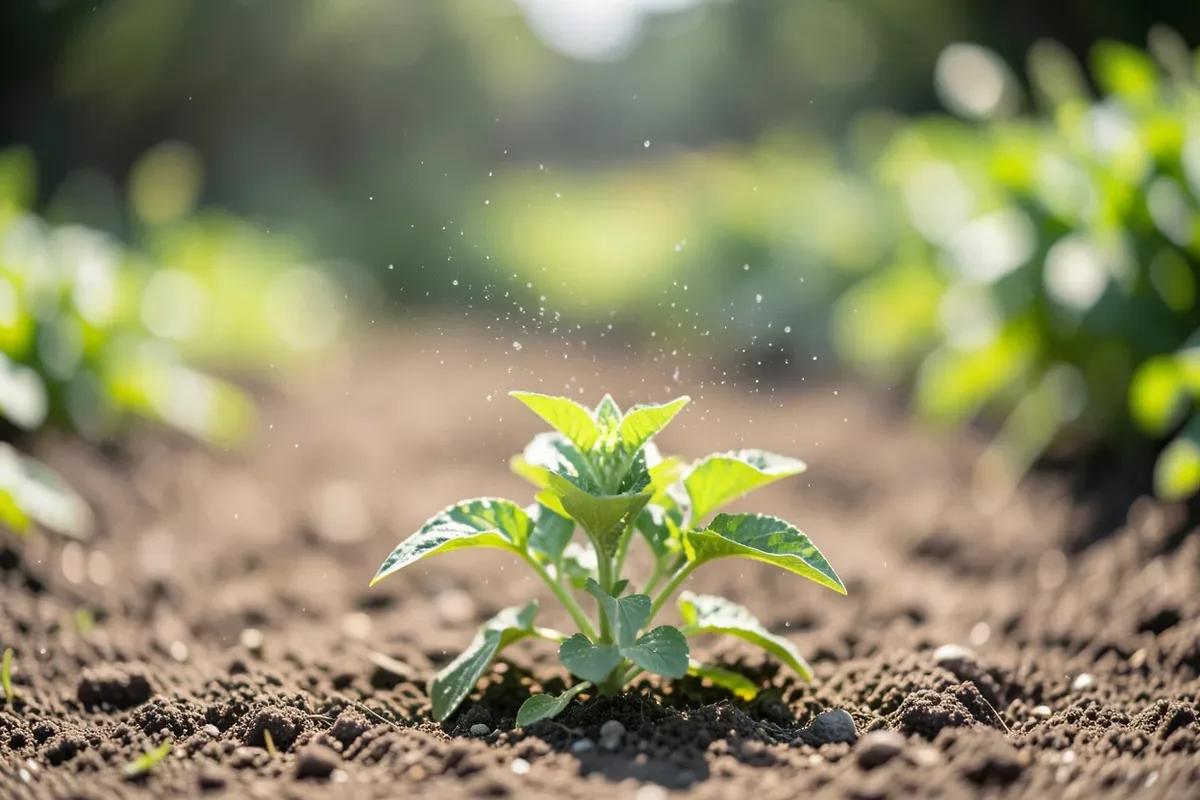
Plants Releasing Moisture: Understanding Transpiration’s Role
Plants releasing moisture into the atmosphere, a process known as transpiration, is a vital natural phenomenon with profound impacts on local and global climates. This constant exchange of water vapor is not merely a byproduct of plant life; it’s a carefully regulated function essential for plant survival and a significant contributor to the Earth’s water cycle. Understanding how plants manage this moisture release can illuminate their role in weather patterns, agriculture, and ecosystem health.
This post will break down the science behind transpiration, its benefits, and the factors influencing it.
Simply put, transpiration is the process by which plants absorb water through the roots and then give off water vapor through pores in their leaves, playing a crucial role in the planet’s water cycle and influencing weather patterns.
Key Takeaways
- Plants releasing moisture through transpiration is a critical part of the Earth’s water cycle.
- Transpiration helps regulate plant temperature and transport nutrients from roots to leaves.
- Factors like humidity, temperature, wind, and light intensity significantly influence transpiration rates.
- Forests and large vegetated areas can generate their own rainfall through collective transpiration.
- Understanding transpiration is key for effective irrigation, climate modeling, and sustainable agriculture.
What is Transpiration?
Transpiration is the process where plants absorb water through their roots and then release water vapor into the atmosphere through tiny pores on their leaves called stomata. It’s akin to a plant “sweating,” but on a much larger scale and with a critical biological purpose. This water loss is not accidental; it’s a controlled mechanism driven by the plant’s need to cool itself and to facilitate the uptake of essential nutrients from the soil.
The vast majority of water absorbed by a plant is not used for photosynthesis or growth; it’s lost through transpiration. This might seem wasteful, but it creates a crucial “pull” that draws more water up from the roots, carrying dissolved minerals and nutrients along with it. This continuous upward flow is essential for delivering vital elements to every part of the plant, from the deepest root tip to the highest leaf.
This constant release of water vapor from plants collectively contributes significantly to atmospheric moisture. In fact, forests are often referred to as the “lungs of the Earth,” not just for their role in carbon dioxide exchange but also for their massive contribution to the hydrological cycle through transpiration. The sheer volume of water moved and released by plants globally is staggering.
- Water absorption through root systems.
- Transport of water via xylem vessels.
- Release of water vapor through stomata on leaves.
- Regulation of plant temperature.
- Facilitation of nutrient transport throughout the plant.
- Significant contribution to atmospheric humidity.
How Does Transpiration Work?
The process of transpiration primarily occurs through stomata, which are small pores, usually located on the underside of leaves, surrounded by specialized cells called guard cells. These guard cells can open and close the stomata, regulating the rate of gas exchange and water vapor release. When stomata are open, carbon dioxide can enter the leaf for photosynthesis, and oxygen is released.
Simultaneously, water vapor escapes.
The driving force behind water movement up the plant is a combination of factors. Evaporation from the leaf surface creates a negative pressure, or tension, within the xylem (the plant’s water-carrying tissues). This tension pulls water up from the roots, much like sipping through a straw.
The cohesive properties of water molecules (their tendency to stick together) and their adhesive properties (their tendency to stick to the xylem walls) help maintain an unbroken column of water from roots to leaves, allowing for this continuous ascent.
Temperature also plays a significant role. Higher temperatures increase the rate of evaporation from the leaf surface, thereby increasing the rate of transpiration, provided there is sufficient water available in the soil and the stomata are open. Similarly, lower humidity in the surrounding air means there is a greater difference in water potential between the inside of the leaf and the outside atmosphere, encouraging more rapid diffusion of water vapor out of the stomata.
- Roots absorb water from the soil.
- Water travels up the stem through xylem.
- Water reaches the leaves and evaporates into intercellular air spaces.
- Water vapor diffuses out of the leaf through open stomata into the atmosphere.
- This outward movement creates a transpiration pull that draws more water up from the roots.
Factors Affecting Transpiration Rates
Several environmental factors can significantly influence how much moisture plants release into the atmosphere. These factors interact with each other, and their combined effect determines the overall transpiration rate. Understanding these influences is critical for predicting plant behavior and managing water resources effectively.
Humidity is one of the most direct influences. When the air around a plant is very humid, there’s already a lot of water vapor present. This reduces the concentration gradient between the inside of the leaf and the outside air, slowing down the rate at which water vapor can escape.
Conversely, dry air has a low concentration of water vapor, creating a steeper gradient and leading to faster transpiration. This is why plants can wilt quickly on hot, dry days.
Temperature also plays a key role. As temperatures rise, water molecules gain more kinetic energy, increasing the rate of evaporation from the leaf surface. This accelerates transpiration, assuming other factors are favorable.
However, extremely high temperatures can cause stomata to close to conserve water, which can then limit transpiration even if the air is dry. Light intensity is another major factor; stomata generally open in the presence of light to allow for photosynthesis, and this opening facilitates transpiration. Bright light stimulates stomata to open wider, increasing water loss.
Wind can also increase transpiration by carrying away the humid layer of air that surrounds a leaf, effectively replacing it with drier air and maintaining a steeper water vapor gradient.
| Environmental Factor | Effect on Transpiration | Reason |
|---|---|---|
| Humidity | Decreases | Reduced water vapor concentration gradient between leaf and air. |
| Temperature | Increases (up to a point) | Higher kinetic energy of water molecules leads to faster evaporation. |
| Light Intensity | Increases | Stimulates stomata to open for photosynthesis. |
| Wind Speed | Increases (up to a point) | Removes humid air from the leaf surface, maintaining a steeper gradient. |
| Soil Water Availability | Decreases (if low) | Plant cannot absorb enough water to compensate for loss, leading to stomatal closure. |
The interplay of these elements dictates the overall water balance within a plant and its contribution to atmospheric moisture. For instance, a sunny, windy, and dry day will result in significantly higher transpiration rates than a cool, humid, and calm day.
Benefits of Transpiration for Plants
While transpiration leads to water loss, it provides several essential benefits that are critical for a plant’s survival and growth. It’s not simply a case of water escaping; it’s an active process that serves multiple vital functions. The most crucial benefit is the creation of the transpiration pull, which is fundamental to water and nutrient transport.
This upward pull ensures a continuous supply of water from the soil to the leaves, where it’s used in photosynthesis and to maintain turgor pressure. Turgor pressure is what keeps plant cells firm and rigid, preventing wilting. Without this constant influx of water, plants would quickly become flaccid and unable to support their structure or carry out essential life processes.
The dissolved minerals and nutrients absorbed by the roots are transported along with the water, delivering essential building blocks for growth to all parts of the plant.
Transpiration also plays a significant role in cooling the plant. As water evaporates from the leaf surface, it absorbs heat energy from the plant. This process is similar to how sweating cools the human body.
On a hot day, transpiration can prevent plant tissues from overheating and suffering damage, particularly to sensitive photosynthetic machinery within the leaves. This thermoregulation is vital for survival in environments with high solar radiation and air temperatures.
- Nutrient Uptake and Transport: Facilitates the movement of essential minerals from the soil up to the leaves.
- Water Transport: Creates the “transpiration pull” that draws water from roots to shoots.
- Temperature Regulation: Evaporative cooling prevents leaves from overheating, especially in direct sunlight.
- Maintaining Turgor Pressure: Contributes to keeping plant cells rigid and preventing wilting.
- Photosynthesis Support: Ensures a consistent supply of water needed for the photosynthesis process.
Transpiration’s Role in the Global Water Cycle
The collective effect of transpiration from billions of plants worldwide is a major component of the Earth’s hydrological cycle. Evaporation from oceans, lakes, and rivers is one primary source of atmospheric moisture, but evapotranspiration – the combined process of evaporation from soil and water surfaces and transpiration from plants – accounts for a substantial portion of water vapor returning to the atmosphere. For many inland areas, plant transpiration is the dominant source of local rainfall.
Forests, in particular, act as massive pumps, moving vast quantities of water from the ground into the atmosphere. This moisture can then condense to form clouds and fall as rain, often locally or even thousands of miles away. This phenomenon is crucial for maintaining rainfall patterns in regions far from large bodies of water.
For example, the Amazon rainforest is known to generate a significant amount of its own rainfall through the transpiration of its dense vegetation, a process vital for the entire South American continent’s climate.
This continuous cycling of water from the land to the atmosphere and back is essential for sustaining ecosystems, agriculture, and human life. Disruptions to plant cover, such as deforestation, can therefore have far-reaching consequences, potentially leading to reduced rainfall, increased drought risk, and altered weather patterns in affected regions and beyond. It highlights the interconnectedness of plant life, water, and climate on a planetary scale.
- Evaporation: Water turns into vapor from surfaces like oceans, lakes, and soil.
- Transpiration: Plants release water vapor from their leaves.
- Condensation: Water vapor in the atmosphere cools and forms clouds.
- Precipitation: Water falls back to Earth as rain, snow, sleet, or hail.
- Collection: Water gathers in rivers, lakes, oceans, and groundwater, ready to evaporate again or be absorbed by plants.
Understanding Different Types of Transpiration
While stomatal transpiration is the most significant pathway for water loss, plants have other, albeit less prominent, mechanisms for releasing moisture. Differentiating these helps in fully appreciating the complex processes involved in plant water management and atmospheric moisture contribution.
Stomatal transpiration, as discussed, occurs through the stomata. These are the primary gateways for gas exchange, and their opening and closing are tightly regulated by guard cells in response to environmental cues and the plant’s internal water status. It accounts for the vast majority (over 90%) of water lost by plants.
Cuticular transpiration occurs through the cuticle, a waxy, waterproof layer covering the epidermis of leaves and stems. This layer is designed to prevent excessive water loss. However, it’s not entirely impermeable.
A small amount of water can still diffuse through the cuticle, especially if the cuticle is thin or damaged. This type of transpiration is generally much lower than stomatal transpiration and is more significant in plants with thin cuticles or during periods when stomata are closed.
Lenticular transpiration occurs through lenticels, which are small pores found on the bark of woody stems and roots. Lenticels facilitate gas exchange for the living tissues within the stem. While primarily involved in gas exchange, they also allow for some water vapor to escape.
This pathway is typically minimal compared to stomatal transpiration but can become more significant in certain woody plants or under specific environmental conditions.
| Type of Transpiration | Location | Significance | Control Mechanism |
|---|---|---|---|
| Stomatal Transpiration | Stomata (pores on leaves) | Over 90% of water loss | Guard cells regulating stomatal opening/closing |
| Cuticular Transpiration | Cuticle (waxy layer on surface) | Relatively low (1-10%) | Thickness and permeability of cuticle |
| Lenticular Transpiration | Lenticels (pores on bark) | Minimal | Structure and permeability of lenticels |
Each type of transpiration, though varying in magnitude, contributes to the overall water balance of the plant and its interaction with the environment.
Impact of Vegetation on Local Climate
The presence and density of vegetation, through transpiration, profoundly influence local climate conditions. Large vegetated areas, especially forests, act as natural air conditioners, moderating temperature and increasing humidity. The sheer volume of water vapor released can create microclimates that are cooler and more humid than surrounding non-vegetated areas.
This increased humidity can reduce the intensity of heat waves and provide a buffer against extreme temperatures. Furthermore, the process of transpiration itself, by consuming heat energy during evaporation, helps to lower the ambient temperature. This is a critical effect in urban environments where paved surfaces absorb and radiate heat, creating “heat islands”; increasing urban greenery can significantly mitigate this phenomenon.
The role of transpiration in generating local rainfall is also a critical aspect of its impact on local climate. In areas with extensive vegetation, such as rainforests or large agricultural regions, the continuous release of water vapor can lead to cloud formation and precipitation. This localized “recycling” of water is essential for maintaining the health of the ecosystem and supporting agriculture in the region.
Studies estimate that some large forests can generate up to 50% of their own rainfall through transpiration.
- Temperature moderation through evaporative cooling.
- Increased local humidity, reducing dryness and heat stress.
- Potential for localized cloud formation and increased rainfall.
- Mitigation of urban heat island effects.
- Creation of more stable and pleasant microclimates.
Transpiration and Agriculture
For agriculture, understanding and managing transpiration is paramount to successful crop production. Crops are essentially large-scale transpiration systems, and their water needs are directly tied to this process. Efficient irrigation strategies depend heavily on knowing how much water plants are losing through transpiration and how much they need to absorb to maintain optimal growth.
Farmers and agronomists use measurements of evapotranspiration (ET) to determine irrigation schedules. ET combines evaporation from the soil and plant surfaces with transpiration from the plants. By monitoring ET rates, which are influenced by weather conditions, crop type, and growth stage, irrigation can be applied precisely when and where it’s needed, preventing both water stress and waterlogging.
This precision agriculture approach conserves water, a precious resource, and optimizes crop yields.
Different crops have varying transpiration rates. For example, water-intensive crops like rice and corn require significantly more water than drought-tolerant crops like sorghum or millet. Selecting appropriate crops for a given climate and soil type, or implementing water-saving irrigation techniques like drip irrigation, are crucial strategies for sustainable agriculture that acknowledge the reality of plant water loss through transpiration.
Furthermore, understanding how to manage soil moisture can indirectly influence transpiration by ensuring plants have access to the water they need to sustain this vital process.
| Aspect | Description | Importance in Agriculture |
|---|---|---|
| Evapotranspiration (ET) | Combined water loss from evaporation and transpiration. | Basis for irrigation scheduling and water management. |
| Crop Water Requirements | Varies significantly between crop types. | Crucial for selecting suitable crops and planning resource allocation. |
| Irrigation Efficiency | Minimizing water loss during application. | Maximizing water use for crop growth, conserving water resources. |
| Soil Moisture Management | Maintaining adequate water levels in the root zone. | Ensures plants can absorb water to meet transpiration demands. |
Precision in managing these factors directly impacts crop health, yield, and the sustainability of agricultural practices.
Frequently Asked Questions
What is the primary purpose of transpiration for plants?
The primary purposes of transpiration for plants are to facilitate the absorption and transport of water and nutrients from the soil to the leaves, and to cool the plant through evaporative heat loss, preventing overheating.
Can transpiration affect rainfall?
Yes, transpiration significantly affects rainfall. The vast amounts of water vapor released by plants, especially in large forested areas, contribute substantially to atmospheric moisture, leading to cloud formation and precipitation. This is a key mechanism for regional water cycles.
Is all water lost by plants through transpiration?
No, while transpiration accounts for the vast majority of water loss (over 90%), a small amount is also lost through cuticular and lenticular transpiration from the leaf surface and bark, respectively. A tiny fraction of absorbed water is also used in photosynthesis and growth.
What happens if a plant transpires too much?
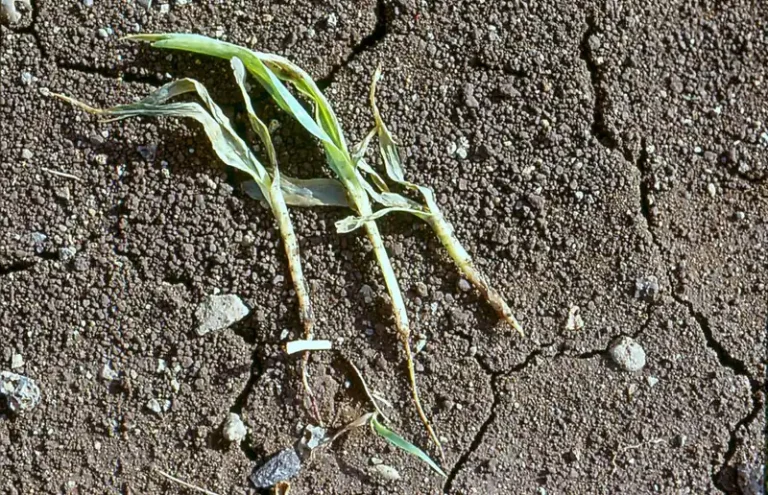
If a plant transpires too much water without adequate replenishment from the soil, it can lead to wilting as turgor pressure decreases. Prolonged excessive transpiration can cause dehydration, nutrient imbalances, and even death if water stress becomes severe.
How can humans influence plant transpiration rates?
Humans can influence transpiration rates indirectly by altering environmental conditions through activities like irrigation, deforestation, urbanization, and farming practices. For example, irrigation increases soil water availability, potentially increasing transpiration, while deforestation reduces overall plant cover and thus total transpiration in an area.
Final Thoughts
Plants releasing moisture into the atmosphere through transpiration is a fundamental process with far-reaching implications. It’s essential for plant life, driving nutrient transport and temperature regulation, while simultaneously playing a critical role in the Earth’s water cycle and influencing local and global climates. Understanding these mechanisms allows for better management of water resources, more sustainable agriculture, and a deeper appreciation for the intricate balance of our planet’s ecosystems.