How To Install A Self Watering Gauge In Your Garden Planter
You love your plants. Watching them grow is a real joy. But sometimes, it feels like a guessing game.
Garneck
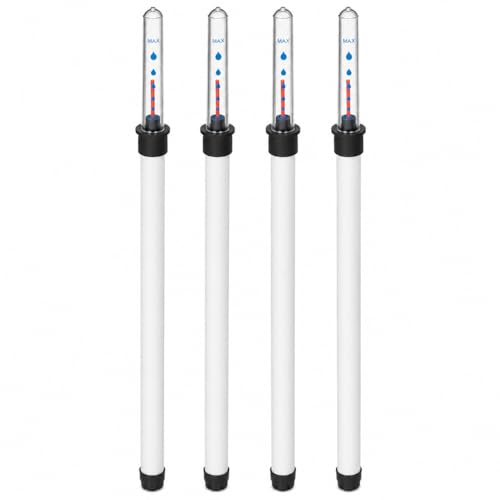
Garneck 4pcs 36cm Water Level Gauge for…
- Water Level Gauge for Plants - This 4PCS set gives potted plants a clear visual watering reminder, helping you check planter moist…
- Potted Plant Indicator for Daily Care - Designed for planter use, each water level gauge helps reduce guesswork when checking cont…
- Watering Reminder Sticks for Multiple Pots - With 4 pieces in one pack, this plant water indicator set is practical for users mana…
As an Amazon Associate I earn from qualifying purchases.
Are they getting too much water? Not enough? You stare at the soil, hoping to get it right.
It’s a common worry for many gardeners. This guide will make it simple. We’ll show you how to use a self-watering gauge.
It takes the guesswork out. Your plants will thank you.
You can easily install a self-watering gauge in your garden planter. This tool helps you know exactly when to water. It checks soil moisture for you. This stops overwatering and underwatering. Your plants stay healthier. It’s a simple fix for a common problem.
Understanding Your Self-Watering Gauge
A self-watering gauge is a small tool. It tells you about the moisture in your plant’s soil. Think of it as a little helper for your plant.
It has a probe that goes into the dirt. A dial or indicator shows you what’s happening below the surface. This lets you see if the soil is too dry, just right, or too wet.
Most gauges work by sensing the electrical conductivity of the soil. Water and minerals in the soil change how electricity flows. The gauge measures this flow.
It then translates it into a reading you can understand. Some are very simple with just “dry,” “moist,” and “wet” marks. Others have a more detailed dial.
Knowing how it works helps you trust it. It’s not magic; it’s science. This tool can save your plants from stress.
It makes plant care much easier for you.
My Own Watering Woes
I remember when I first started gardening. I had a beautiful little succulent. I loved it so much.
I watered it maybe once a week. Then I thought, “It looks a bit dry.” So I gave it a little more water. A few days later, the leaves started turning yellow.
They felt soft and mushy. Panic set in! I had definitely given it too much water.
It was sad to see. I felt like a total failure. I’d killed my favorite plant with kindness.
That’s when I knew I needed a better way. I needed a way to see what was happening, not just guess.
Types of Self-Watering Gauges
There are a few main kinds you’ll see:
- Analog Gauges: These have a needle and a dial. They often look like a little thermometer. They usually have colors or words like “Dry,” “Moist,” and “Wet.”
- Digital Gauges: These give you a precise number on a screen. They might tell you the moisture level as a percentage.
- Wick Systems: These are different. They use a cord to pull water from a reservoir to the soil. They keep the soil moist automatically. The gauge is often built into the planter itself.
Choosing the Right Gauge for Your Planter
When you pick a gauge, think about your planter. What size is it? How deep is the soil?
Most general gauges work well for pots 6 inches or larger. For very small pots, you might need a smaller gauge. Also, consider the type of plant you have.
Cacti and succulents like their soil to dry out more. Leafy green plants often like it consistently moist.
Look at the probe length. It needs to reach the root zone. This is where the plant takes up water.
If the probe is too short, you won’t get a good reading. Most probes are about 4-8 inches long. That’s good for most home planters.
Do you prefer simple or detailed? An analog gauge is easy to read at a glance. A digital one gives you more exact numbers.
For beginners, analog is often the best choice. It’s less confusing. Plus, many analog gauges are very affordable.
How to Install Your Gauge
Installing your new gauge is usually very easy. It takes just a minute. First, make sure the soil in your planter is not completely dry.
If it’s bone dry, the gauge might not work right. Lightly water the plant a little before you start.
Take the gauge out of its packaging. Gently clean the metal probe with a soft cloth if needed. You don’t want dirt or oils on it.
This could affect the reading.
Now, pick a spot. You want to put the probe in the middle of the pot. Try to avoid the very edge.
You also don’t want to hit a big root. Gently push the probe straight down into the soil. Push it until the plastic part of the gauge is level with the soil surface.
Do not force it. If you feel strong resistance, pull it out and try a slightly different spot.
Once it’s in place, just leave it there. You don’t need to move it. It will stay in the soil and keep giving you readings.
It’s a permanent helper for your plant.
Where to Place the Probe
Placement is key for a good reading:
- Middle of the pot: This gives a good average of the moisture.
- Away from the edge: The sides can dry out faster.
- Avoid large roots: You don’t want to damage the plant.
- Root zone depth: The probe should reach where the roots are.
Reading Your Gauge: What the Numbers Mean
Once your gauge is installed, check it regularly. Do this for the first week or two. This helps you learn your plant’s needs.
It also helps you understand what the gauge shows for your specific soil and plant.
For analog gauges, look at the dial. If the needle points to “Dry” or “Low,” it’s time to water. If it’s in the “Moist” or “Good” zone, your plant has enough water.
If it’s in the “Wet” or “High” zone, you might be watering too much. You should let the soil dry out more before watering again.
Digital gauges give you numbers. A reading between 20% and 40% is often ideal for many plants. But this can change.
For succulents, you might wait until it’s below 20%. For ferns, you might want to keep it above 50%. Always check what your specific plant likes best.
Don’t just water when the gauge says “Dry.” Also, pay attention to your plant’s leaves. Are they drooping? Are they yellowing?
These can be signs of thirst. The gauge is a guide, not the only rule.
Quick Scan: Gauge Reading Guide
| Reading | What it Means | Action |
|---|---|---|
| Dry / Low | Soil is too dry. | Water the plant. |
| Moist / Good | Soil has enough water. | No action needed now. |
| Wet / High | Soil has too much water. | Let soil dry out. Check drainage. |
When to Water
So, when is the best time to water? The gauge will tell you when the soil is dry. But there’s a bit more to it.
For most common houseplants, you want to water when the gauge shows “Dry” or the reading is low. This is usually when the top 1-2 inches of soil feel dry. This lets the plant take up water before it gets stressed.
When you do water, water deeply. Pour water onto the soil until it starts to come out of the drainage holes at the bottom of the planter. Let it drain fully.
This ensures all the roots get a drink. Don’t let the pot sit in a saucer full of water for too long. That can lead to root rot.
Some plants prefer to dry out more between waterings. Think of your succulents and cacti. For these, you might wait until the gauge consistently reads “Dry” for a day or two.
For plants that like moist soil, like ferns or peace lilies, you might water when the gauge first hits “Dry.”
The season also matters. Plants often need less water in the winter. Their growth slows down.
In the summer, they might need more. Your self-watering gauge will show you these changes. You’ll learn to adjust your watering schedule based on what the gauge tells you.
When to Worry (and When Not To)
It’s normal for soil moisture to change. The gauge will go up and down. That’s its job!
What you want to watch for are extreme, long-lasting readings. If your gauge always reads “Wet,” even after days of no watering, something might be wrong.
This could mean your planter doesn’t drain well. It might be clogged. Or you might be using soil that holds too much water.
For plants that hate wet feet, like many succulents, this is a big problem. It can lead to root rot. Root rot is serious and can kill your plant quickly.
On the other hand, if the gauge always reads “Dry,” and your plant looks wilted, it’s not getting enough. Maybe the gauge isn’t working right. Or perhaps the plant is just really thirsty.
This can happen if the soil has pulled away from the sides of the pot. The water might be running down the sides and not reaching the roots.
A good check is to still feel the soil. Use your finger. Does it match the gauge?
If the gauge says “Wet” but your finger feels dry, there might be an issue with the gauge. If it says “Dry” but your finger feels moist, the gauge might be fine but the plant might be using water very fast.
Signs Your Plant Might Be Unhappy
Watch for these, too:
Too Much Water:
Yellowing leaves (especially lower ones)
Soft, mushy stems or leaves
Wilting even when soil is wet
Fungus gnats on the soil surface
Too Little Water:
Drooping or wilting leaves
Dry, crispy leaf edges
Slow growth
Soil pulling away from the pot edges
Common Mistakes and How to Avoid Them
One mistake people make is not leaving the gauge in the soil. They put it in, take a reading, then pull it out. The gauge is meant to stay there.
It needs to be in consistent contact with the soil to give you ongoing information. Constant removal can damage the soil structure or the probe.
Another common error is not calibrating or understanding your specific gauge. Gauge readings can vary slightly between brands. They can also vary based on the type of soil you use.
Take time to learn your gauge’s typical readings for your plants. What is “moist” for one plant might be “dry” for another.
Don’t rely solely on the gauge. Use it as a primary tool, but always observe your plant. Does the plant look healthy?
Are the leaves a good color? Are there any signs of pests? A gauge helps with watering, but overall plant health comes from many factors.
Also, make sure your gauge is clean. If the probe gets dirty or corroded, it won’t read moisture accurately. Give it a gentle wipe with a damp cloth now and then.
Avoid harsh chemicals.
Gauge Care Tips
Keep your gauge working well:
- Leave it in the soil: It’s designed for continuous use.
- Clean the probe: Wipe it gently if it gets dirty.
- Check drainage: Ensure your pot has holes and isn’t sitting in water.
- Use the right soil: Choose soil that fits your plant’s needs (e.g., sandy for succulents, peat-based for moisture lovers).
- Observe your plant: Use the gauge as a guide, not the only source of truth.
What This Means for Your Plants
Using a self-watering gauge is a game-changer. It gives you confidence in your plant care. No more guessing games!
You’ll know precisely when your plants are thirsty. You’ll also know when they’ve had enough. This leads to happier, healthier plants.
They will grow better and look more vibrant.
For busy people, these gauges are a lifesaver. They help prevent problems that arise from inconsistent watering. You might go on vacation knowing your plants are being monitored.
This peace of mind is invaluable.
For those who struggle with watering, this tool is a learning aid. It teaches you about your plants’ water needs. Over time, you might even develop a better intuition.
The gauge helps you build that skill. It’s like having a small, silent expert helping you out.
Quick Fixes and Tips
If your gauge reads consistently dry and your plant looks sad, try watering more deeply. Make sure you are watering until water drains from the bottom. If it reads consistently wet, check your planter’s drainage holes.
Make sure they aren’t blocked. You might need to repot with better-draining soil.
If you are using a self-watering planter with a wick, ensure the wick is making good contact with both the soil and the water. Sometimes wicks can dry out or become less effective.
For very large planters, you might even consider using two gauges. This can give you a better sense of the moisture level throughout the entire root ball. This is especially true for wide, shallow planters.
Tips for Success
Quick tips to remember:
- Water when dry: Follow the gauge’s “dry” or “low” reading.
- Water deeply: Until water runs from the drainage holes.
- Let it drain: Don’t let plants sit in water.
- Observe your plant: Look for signs of stress.
- Clean your gauge: For accurate readings.
Frequently Asked Questions About Self-Watering Gauges
How often should I check my self-watering gauge?
You should check your gauge at least once a week. More often, like every few days, is better when you first start using it. This helps you learn your plant’s watering cycle.
Can I use a self-watering gauge in my outdoor garden bed?
Most self-watering gauges are made for potted plants. They might not be accurate or durable enough for large outdoor garden beds. For gardens, it’s often better to use a soil moisture meter you can move around or simply check by feel.
Will a self-watering gauge work in any type of soil?
They work best in standard potting mixes. Very sandy soils or soils with large perlite chunks might not hold moisture evenly. This can sometimes affect readings.
Always ensure your soil is suitable for your plant.
How long do self-watering gauges typically last?
A good quality self-watering gauge can last for several years. Proper care, like cleaning the probe, will help it last longer. Some digital ones may have batteries that eventually need replacing.
My gauge always reads ‘wet.’ What should I do?
This often means your soil is staying too wet. First, check your planter’s drainage holes. Are they clear?
If so, the soil itself might be holding too much water. You may need to repot with a more well-draining potting mix, especially for plants that dislike wet feet.
Can I use a self-watering gauge for seedlings?
For very delicate seedlings, it’s often best to check moisture by gently touching the soil surface. Small gauges might be too large for tiny seed trays. Once seedlings are a bit bigger, a small gauge can be helpful.
The Simple Joy of Confident Watering
Installing and using a self-watering gauge is a simple step. It brings big rewards for your plants and your peace of mind. You can stop worrying about over or under-watering.
Your plants will be healthier and happier. This small tool truly makes a difference in your gardening journey.
Related pick: Check today's price on Amazon