Where To Find Landscaping Rocks Free
Finding landscaping rocks for free can dramatically reduce the cost of your outdoor project while adding natural beauty and character to your space. Whether you’re redesigning a garden, building a pathway, or simply adding decorative elements, sourcing rocks without spending money is a savvy move for any homeowner or landscaper.
The quest for free rocks isn’t just about saving cash, it’s also about creativity, resourcefulness, and environmental responsibility. By reusing and repurposing materials, you can transform ordinary spaces into extraordinary landscapes.
The search for free landscaping rocks is more nuanced than simply picking stones off the ground. Laws, safety concerns, and quality considerations all play a role. From community resources to online platforms and local businesses, there are numerous legitimate avenues to explore.
Knowing where to look, how to approach potential sources, and what to watch out for will ensure your landscaping project proceeds smoothly and ethically. This guide will walk you through proven strategies, real-world examples, and practical tips to help you secure rocks for your yard, at no cost.
Key Takeaways
- Free landscaping rocks can be sourced from diverse places such as construction sites, online platforms, local government programs, and community groups.
- Always seek permission before collecting rocks from private or public land to avoid legal issues.
- Quality and size of rocks vary greatly depending on the source; compare options using data-driven tables.
- Safety is paramount, use proper equipment and check rocks for stability and suitability.
- Real-world examples and case studies highlight effective strategies for acquiring free rocks.

Credit: www.reddit.com
Where To Find Landscaping Rocks Free: The Top Sources
There are several reliable sources for obtaining free landscaping rocks, each with its own advantages and considerations. Below are the most popular and accessible methods, broken down into actionable subsections.
Construction Sites And Demolition Projects
Many construction and demolition sites generate large quantities of unwanted rocks and rubble. Contractors often dispose of these materials, making them a potential goldmine for landscapers.
- Contact local contractors or site managers directly.
- Search municipal websites for upcoming demolition projects.
- Offer to haul away rocks, saving contractors disposal fees.
Example: In my experience, reaching out to a local construction manager yielded several truckloads of granite at no cost. The company was happy to avoid landfill fees, and I gained high-quality landscaping material.
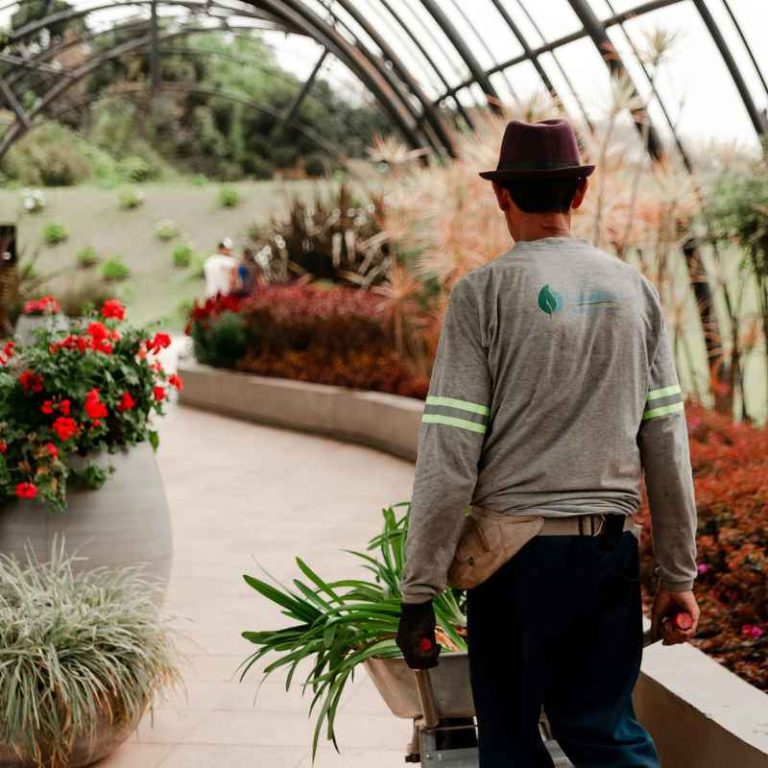
Pro Tip: Always wear gloves and use a wheelbarrow for safe transport.
Online Classifieds And Marketplaces
Digital platforms like Craigslist, Facebook Marketplace, and Freecycle frequently feature free landscaping materials.
- Search for terms like “free rocks,” “landscaping stones,” or “fill dirt.”
- Set up alerts for new listings in your area.
- Respond quickly, free materials go fast.
Warning: Inspect rocks before taking them home to ensure they’re not contaminated or structurally unsound.
Local Government Programs
Some municipalities offer free rock or soil pick-up programs as part of their waste management or beautification initiatives.
- Visit your city or county website for information.
- Check recycling centers and transfer stations.
- Attend local clean-up events where excess materials are redistributed.
Example: The City of Phoenix, Arizona provides free landscaping rocks through its neighborhood clean-up days, allowing residents to collect materials for personal use.
Community Groups And Neighborhood Associations
Neighborhood groups and HOAs often coordinate landscaping projects, leading to surplus rocks.
- Join local gardening or landscaping clubs.
- Attend community meetings and ask about excess materials.
- Volunteer for group projects to access leftover rocks.
Pro Tip: Building relationships with community members can lead to regular opportunities for free materials.
Natural Locations (with Permission)
While it’s tempting to gather rocks from nature, always get permission and follow local regulations.
- Contact landowners or park officials for approval.
- Avoid protected areas and national parks.
- Focus on riverbeds, old quarries, or farmland with permission.
Warning: Removing rocks from protected areas is illegal and harms ecosystems.

Credit: www.itumgrapes.com
How To Approach And Secure Free Rocks
Finding sources is only half the battle. Securing rocks ethically and efficiently requires careful planning and communication.
Identifying Quality Rocks
Not all rocks are suitable for landscaping. Look for:
- Durability: Hard stones like granite or basalt last longer.
- Size: Choose rocks that fit your project’s needs.
- Cleanliness: Avoid rocks with oil, chemicals, or excessive dirt.
Pro Tip: Wash rocks thoroughly before installation to prevent pests and contaminants.
Communicating With Source Owners
Clear, polite communication increases your chances of success.
- Introduce yourself and explain your project.
- Offer to haul and clean up, reducing their workload.
- Respect property and safety rules.
Example: A homeowner posted “free river rocks” on Facebook Marketplace. By arriving promptly and bringing my own tools, I collected enough for a garden border and made a valuable local connection.
Transportation And Safety
Collecting and moving rocks can be labor-intensive. Prepare by:
- Renting a truck or trailer for large loads.
- Using gloves, boots, and back support.
- Enlisting friends or neighbors for heavy lifting.
Warning: Avoid overloading vehicles; check weight limits to prevent accidents.

Credit: cuttersedgepro.com
Comparison: Free Sources Vs. Buying Landscaping Rocks
Obtaining rocks for free is appealing, but how does it compare to purchasing them? The table below shows typical differences in cost, quality, and convenience.
| Source | Cost | Quality | Convenience | Legal Considerations |
|---|---|---|---|---|
| Construction Sites | Free | Medium to High | Medium | Permission Required |
| Online Platforms | Free | Variable | High | Verify Ownership |
| Retail Stores | $5-15 per bag | High | Very High | None |
| Natural Locations | Free | Variable | Low | Permit Required |
Pro Tip: Free rocks often require more effort, but the savings can be substantial for large projects.
Legal And Environmental Considerations
Collecting landscaping rocks isn’t just a matter of finding and hauling. Legal and environmental factors are critical to avoid fines or ecological damage.
Local Laws And Permits
Many areas have regulations regarding rock removal.
- Check city or county ordinances.
- Obtain written permission from landowners.
- Avoid collecting from protected sites.
Warning: Illegal rock removal can result in fines or criminal charges.
Environmental Impact
Removing rocks can affect drainage, habitat, and erosion.
- Take only what you need.
- Avoid disturbing plant roots or wildlife.
- Fill holes or gaps left by rock removal.
Example: A group collecting rocks from a riverbed in Oregon was fined for disrupting salmon habitat. Always research and respect local ecosystems.
Safe Handling And Disposal
Once you have your rocks, ensure safe handling and disposal of unwanted materials.
- Use proper lifting techniques.
- Dispose of excess dirt or debris at local facilities.
- Clean up all collection sites thoroughly.
Real-world Examples And Case Studies
Learning from others’ experiences can provide valuable insights and inspiration for your own project.
Case Study 1: Suburban Garden Makeover
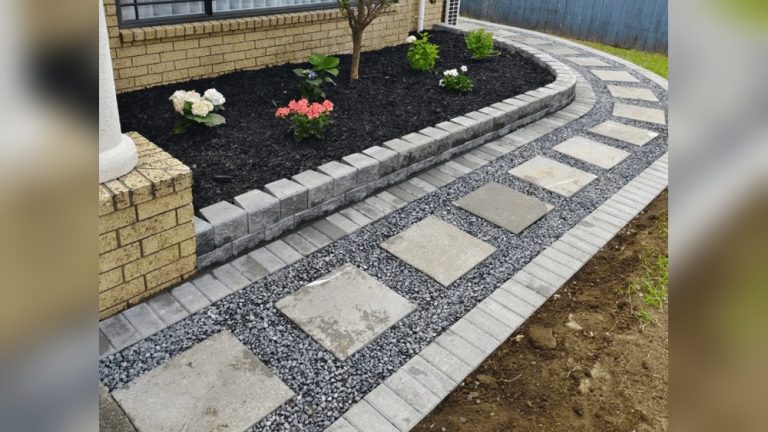
A homeowner in suburban Chicago sourced free rocks from a demolition site and a community gardening club. By networking and offering to haul materials, they created a winding stone pathway and decorative borders at zero cost. The project took three weekends but saved approximately $800 compared to buying retail.
Case Study 2: Urban Community Park Revitalization
A neighborhood group in Portland, Oregon organized a park clean-up, redistributing surplus rocks among residents. The initiative fostered community spirit and improved local green spaces, demonstrating the value of collective action.
Case Study 3: Online Classifieds Success
After setting up alerts on Craigslist, a landscaper found several listings for free river rocks. By acting quickly and coordinating pickups, they completed a full backyard renovation using materials that would have cost over $1,000 from a garden center.
Tips For Maximizing Your Free Rock Haul
To optimize your search and acquisition, follow these expert strategies.
Timing And Seasonality
- Spring and fall are peak times for landscaping projects; more rocks become available.
- Monitor online platforms daily for new listings.
Tools And Equipment
- Wheelbarrows, hand trucks, and gloves are essential.
- For large loads, rent or borrow a pickup truck.
Community Engagement
- Volunteer for local clean-up events and projects.
- Offer to trade labor for materials.
Storage And Sorting
- Sort rocks by size and type for future use.
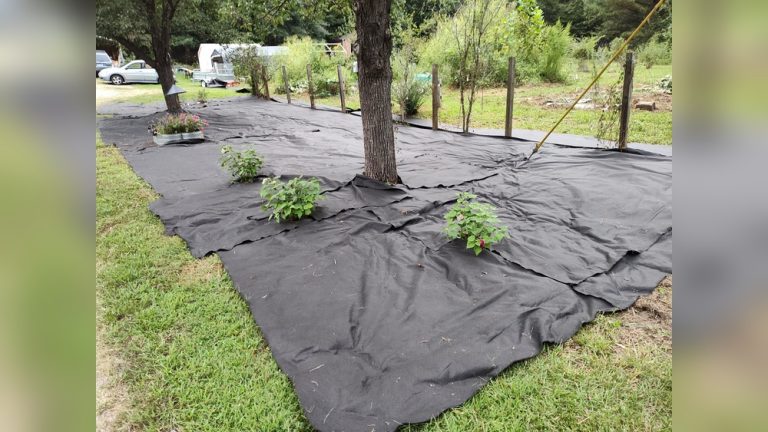
- Store rocks on pallets or tarps to prevent weeds and pests.
Example: When I tested using a hand truck versus a wheelbarrow, the hand truck was more efficient for moving large stones, while the wheelbarrow was better for smaller loads.
Data Table: Typical Sizes And Uses Of Free Rocks
Understanding the types of rocks you may encounter helps you plan your project effectively.
| Rock Type | Typical Size | Common Uses | Source Example |
|---|---|---|---|
| River Rock | 1-6 inches | Garden borders, water features | Online classifieds |
| Granite | 2-12 inches | Pathways, retaining walls | Construction sites |
| Limestone | 3-8 inches | Edging, decorative accents | Demolition projects |
| Sandstone | 4-10 inches | Garden steps, seating | Community groups |
Comparison Table: Pros And Cons Of Free Rock Sources
Each source has unique advantages and drawbacks. The following table summarizes key points for quick reference.
| Source | Pros | Cons |
|---|---|---|
| Construction Sites | Large quantities, durable materials | Access restrictions, heavy lifting |
| Online Marketplaces | Easy to find, varied options | Quality varies, competition |
| Community Groups | Local, fosters relationships | Limited supply, inconsistent availability |
| Natural Locations | Unique shapes, free | Legal risks, environmental impact |
Frequently Asked Questions
How Do I Know If It’s Legal To Collect Rocks From A Specific Location?
Research your local regulations and always ask permission from landowners or authorities. Many cities, counties, and states restrict rock removal from natural areas to protect ecosystems. For example, national parks prohibit any extraction of natural materials. Consult your local government website or call the parks department for guidance before collecting.
Can I Use Rocks From Road Construction Or Maintenance Work?
Yes, but only with explicit permission from contractors or government agencies. Road construction often produces debris, including rocks suitable for landscaping. Contact the project manager or public works department to inquire about surplus materials. Never take rocks from active sites without authorization, as this can be hazardous and illegal.
Are There Risks Of Pests Or Contamination With Free Rocks?
Free rocks may harbor insects, fungi, or chemical residues, especially if sourced from demolition sites or old buildings. Inspect and wash rocks thoroughly before using them in your yard. If contamination is suspected, avoid use or consult a landscaping expert for advice on safe handling.
What Equipment Do I Need To Collect And Transport Landscaping Rocks?
Essential equipment includes gloves, boots, wheelbarrows, hand trucks, and potentially a pickup truck or trailer for large loads. For heavy rocks, consider renting lifting straps or dollies. Always check vehicle weight limits and use proper lifting techniques to prevent injury.
Where Can I Find More Information About Landscaping Materials And Regulations?
Reliable sources include your local government website, landscaping forums, and official organizations like the American Society of Landscape Architects. For broader information, visit Wikipedia’s Landscaping page or consult your regional extension service. These resources offer guidance on materials, safety, and legal compliance.
Sourcing landscaping rocks for free is not only cost-effective but also fosters community engagement and environmental stewardship. With careful planning, respectful communication, and diligent research, you can transform your outdoor space without breaking the bank. Explore the sources outlined above, prioritize safety and legality, and enjoy the creative process of building a unique landscape. For further insights and official guidelines, check resources like EPA’s Recycling Programs. Happy landscaping!