
Photosynthesis is one of the most fundamental biological processes sustaining life on Earth. It powers the vast majority of ecosystems, provides oxygen for respiration, and forms the basis of nearly all food webs. But have you ever wondered where, within the intricate structure of a plant, the actual work of photosynthesis takes place?
The answer lies in specialized cells strategically distributed throughout the plant’s anatomy—a marvel of evolutionary engineering.
Understanding the specific locations and characteristics of photosynthetic cells not only reveals the sophistication of plant biology but also offers insights with far-reaching implications for agriculture, climate change mitigation, and even space exploration. In this comprehensive guide, we’ll break down exactly where most photosynthetic cells are found in plants, how their distribution optimizes energy capture, and what this means for everything from food production to ecosystem health.
Key Takeaways
- Most photosynthetic cells are concentrated in the mesophyll tissue of plant leaves, especially within palisade mesophyll cells.
- The anatomical structure of leaves, including the arrangement of the epidermis, mesophyll, and vascular bundles, is optimized for maximum light capture and gas exchange.
- Specialized chloroplast-rich cells are also present in other green tissues, such as young stems and some fruits, but at much lower densities than in leaves.
- The distribution and efficiency of photosynthetic cells vary significantly among different plant types, habitats, and adaptations.
- Understanding where photosynthesis occurs in plants is crucial for agricultural innovation, crop yield optimization, and addressing climate change challenges.
The Anatomy Of Photosynthesis In Plants
Photosynthesis is not a process occurring in isolation but is deeply embedded within the microarchitecture of plant tissues. To appreciate where photosynthetic cells are located, it’s essential to first understand the anatomical framework of a typical plant, particularly the leaf.
Leaf Structure: The Epicenter Of Photosynthesis
The leaf is the primary photosynthetic organ in most plants. Its structure is uniquely adapted to maximize light absorption, facilitate gas exchange, and minimize water loss. A cross-section of a typical dicot leaf reveals several distinct layers, each with specialized functions:
- Upper Epidermis: A single layer of cells, often covered by a waxy cuticle, providing protection and reducing water loss. This cuticle not only acts as a barrier against dehydration but also helps prevent pathogen entry.
- Mesophyll: The main photosynthetic tissue, divided into two sub-layers:
- Palisade Mesophyll: Elongated cells packed with chloroplasts, arranged closely beneath the upper epidermis. This is where the majority of the plant’s photosynthesis occurs.
- Spongy Mesophyll: Loosely arranged cells with air spaces, facilitating gas exchange. The air spaces between these cells enable the efficient movement of oxygen, carbon dioxide, and water vapor.
- Lower Epidermis: Contains stomata—pores for gas exchange—regulated by guard cells. The lower epidermis, being less exposed to sunlight, often has more stomata than the upper surface, balancing the need for gas exchange with the risk of water loss.
These structural features are not arbitrary. They are the result of millions of years of evolutionary fine-tuning, ensuring that leaves are highly efficient solar panels and gas exchangers.
Chloroplast Distribution: The Powerhouses Of Photosynthesis
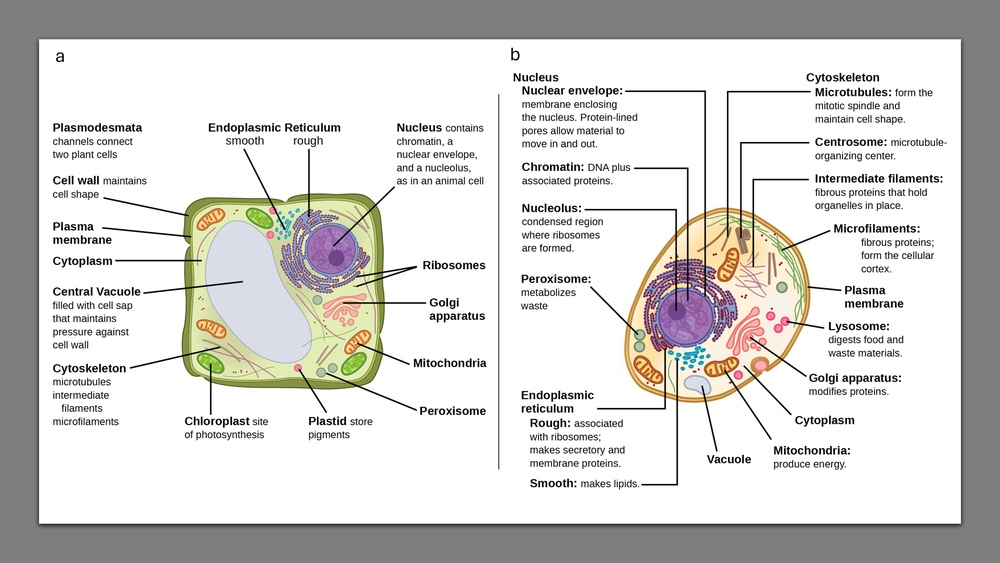
The chloroplast is the cellular organelle where photosynthesis actually happens. Chloroplasts contain the green pigment chlorophyll, which captures light energy. The density and distribution of chloroplasts within the leaf’s mesophyll cells determine the leaf’s photosynthetic capacity.
- Palisade mesophyll cells may contain up to 80% of a leaf’s chloroplasts. Their vertical orientation and dense packing maximize exposure to sunlight.
- Spongy mesophyll cells contain fewer chloroplasts but play a vital role in gas diffusion. The loosely packed arrangement of these cells creates large intercellular spaces, which enhance the diffusion of gases necessary for photosynthesis.
The upper surface of the leaf, where sunlight is most intense, is typically where chloroplasts are most densely packed. This distribution ensures that the cells most exposed to sunlight can capture and utilize that energy efficiently.
Other Photosynthetic Sites In Plants
While leaves are the primary photosynthetic organs, photosynthetic cells also exist in:
- Young, green stems (especially in herbaceous plants). In some species, these stems are critical for early growth before leaves fully develop.
- Unripe fruits (e.g., green tomatoes). This photosynthetic activity can contribute to the energy needs of developing seeds and fruit tissues.
- Floral parts in some species. For example, green sepals in certain flowers can photosynthesize, supporting reproductive structures.
- Cotyledons (seed leaves) in seedlings. These embryonic leaves often provide the first energy source for young plants before the true leaves emerge.
However, these tissues generally have lower concentrations of chloroplasts and contribute less to the overall photosynthetic output. Their role, while minor compared to leaves, is still essential during specific growth stages or in unique environmental conditions.
Mesophyll Cells: The Photosynthetic Engines
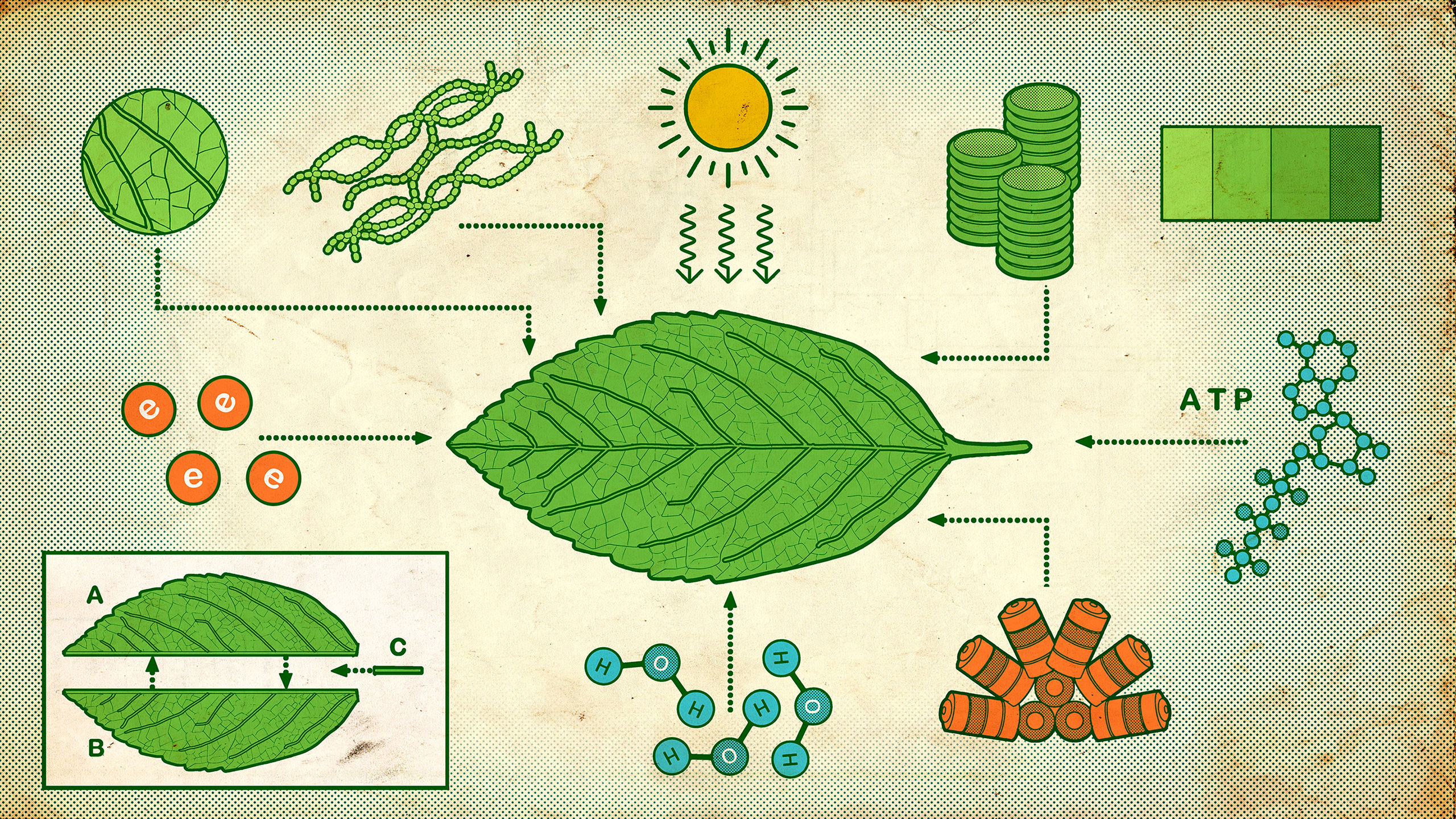
The mesophyll is the internal tissue of the leaf sandwiched between the upper and lower epidermis. It is here that the vast majority of photosynthesis takes place.
Palisade Mesophyll: The Chloroplast-rich Layer
The palisade mesophyll is composed of elongated, tightly packed cells located just below the upper epidermis. These cells are uniquely designed for maximum light absorption:
- Shape and Arrangement: Vertical elongation allows more chloroplasts per cell and maximizes light penetration. This arrangement reduces shading by neighboring cells, so each cell receives optimal light exposure.
- Chloroplast Density: Palisade cells contain a very high concentration of chloroplasts, sometimes up to 50–70 per cell. In some sun-adapted plants, the number can even exceed this range, allowing for exceptional photosynthetic capacity.
- Light Capture: Their location directly beneath the upper epidermis allows them to intercept the most intense sunlight. This is crucial for maximizing the rate of the light-dependent reactions of photosynthesis.
Palisade mesophyll cells are often arranged in one or more layers depending on the species and environment. In plants from high-light environments, multiple palisade layers can be present, further increasing photosynthetic capacity.
Data Table: Chloroplast Density In Leaf Tissues
| Leaf Tissue | Average Chloroplasts per Cell | Relative Contribution to Photosynthesis (%) |
|---|---|---|
| Palisade Mesophyll | 50–70 | 60–80 |
| Spongy Mesophyll | 20–30 | 10–30 |
| Epidermal Cells | 0–2 | <1 |
| Guard Cells | 5–10 | <1 |
Spongy Mesophyll: Facilitating Gas Exchange
Beneath the palisade layer lies the spongy mesophyll, a network of loosely arranged cells with large intercellular air spaces. While these cells contain fewer chloroplasts, they are essential for:
- CO₂ Diffusion: The air spaces facilitate the movement of carbon dioxide to the palisade cells. This is especially important because CO₂ must diffuse through the entire leaf to reach the sites of photosynthesis.
- Water Vapor Release: Allowing water vapor to exit through stomata, contributing to transpiration. This process also helps pull water and minerals up from the roots.
- Oxygen Export: The spongy mesophyll also facilitates the release of oxygen, a byproduct of photosynthesis, from the leaf into the atmosphere.
In aquatic plants, the spongy mesophyll is even more pronounced, maximizing buoyancy and gas exchange in waterlogged environments.
Guard Cells And Photosynthesis
Guard cells, found in the lower epidermis surrounding the stomata, contain some chloroplasts. Their primary function is to regulate gas exchange and water loss, but they also contribute minorly to photosynthesis.
- Stomatal Regulation: Guard cells open and close stomata in response to environmental cues such as light, humidity, and CO₂ concentration. Their own photosynthetic activity supplies ATP, which powers the opening and closing mechanism.
- Adaptation to Stress: In drought or high-heat conditions, guard cells can close stomata to reduce water loss, albeit at the expense of limiting CO₂ uptake and thus slowing photosynthesis.
Real-world Example: Sun Vs. Shade Leaves
The distribution of photosynthetic cells can vary dramatically in response to environmental conditions. Sun leaves (exposed to high light) often have multiple layers of palisade cells and a higher density of chloroplasts, while shade leaves (in low-light environments) have thinner palisade layers and more spongy mesophyll, adapting to limited light availability.
- Sun Leaves: Thick, with more palisade layers and densely packed chloroplasts. This maximizes light absorption and photosynthetic capacity in bright environments.
- Shade Leaves: Thinner, with a greater proportion of spongy mesophyll and fewer palisade cells. This adaptation allows more efficient use of diffused, lower-intensity light.
These differences can be observed even within a single tree, where leaves at the top (sun leaves) differ structurally from those in the shaded lower branches.

Photosynthesis Beyond Leaves: Stems, Fruits, And Unusual Adaptations
While leaves are the primary sites of photosynthesis, other plant organs can also house photosynthetic cells, especially in certain species and under unique conditions.
Green Stems: Supplementary Photosynthesis
Some plants, particularly those with reduced or absent leaves, rely on photosynthetic stems. Examples include:
- Cacti: Lacking leaves, cacti perform photosynthesis in their thick, green stems. The stem tissues contain chloroplast-rich cells that capture sunlight, while a thick cuticle and reduced surface area help conserve water.
- Young herbaceous stems: Many non-woody plants have green stems rich in chloroplasts during early growth stages. For instance, the stems of beans and peas can photosynthesize before leaf expansion.
- Woody plants: In some trees and shrubs, especially those in temperate zones, photosynthetic activity can occur in the bark or young shoots before bud break in spring.
Unripe Fruits And Photosynthesis
Unripe, green fruits often contain chloroplasts and can contribute to photosynthesis. For example:
- Green tomatoes can fix CO₂ and provide energy for fruit development. This is especially important in the early stages of fruit growth, before the plant allocates more resources to the fruit.
- Cucumbers and peppers are also capable of limited photosynthesis in their green fruit stages.
- As fruits ripen, chloroplasts often convert to chromoplasts (pigment-containing), reducing photosynthetic activity. This shift supports the development of color and flavor compounds that attract seed dispersers.
Comparison Table: Photosynthetic Contribution By Plant Organs
| Organ | Relative Chloroplast Density | Contribution to Total Photosynthesis (%) | Example Plants |
|---|---|---|---|
| Leaves | Very High | 80–90 | Most plants |
| Green Stems | Moderate | 5–15 | Cacti, young beans |
| Unripe Fruits | Low to Moderate | 1–5 | Tomato, pepper |
| Other Tissues | Very Low | <1 | Seedlings, flowers |
Specialized Adaptations: Cam And C4 Photosynthesis
Some plants have evolved specialized photosynthetic pathways to cope with extreme environments:
- C4 plants (e.g., maize, sugarcane) concentrate photosynthetic activity in bundle sheath cells surrounding vascular bundles, minimizing photorespiration. This adaptation is common in hot, sunny habitats where photorespiration would otherwise reduce photosynthetic efficiency.
- CAM plants (e.g., succulents) open stomata at night to conserve water and store CO₂ for daytime photosynthesis. Their cells are adapted to store organic acids, which are then processed during the day when the stomata are closed.
These adaptations result in unique distributions of photosynthetic cells, enabling survival in hot, dry, or saline habitats. For more on these adaptations, see Wikipedia: Photosynthesis.

The Role Of Chloroplasts And Chlorophyll
At the heart of photosynthetic cells are chloroplasts, the organelles responsible for capturing light energy and converting it into chemical energy. The distribution, number, and efficiency of chloroplasts directly impact a plant’s ability to photosynthesize.
Chloroplast Structure And Function
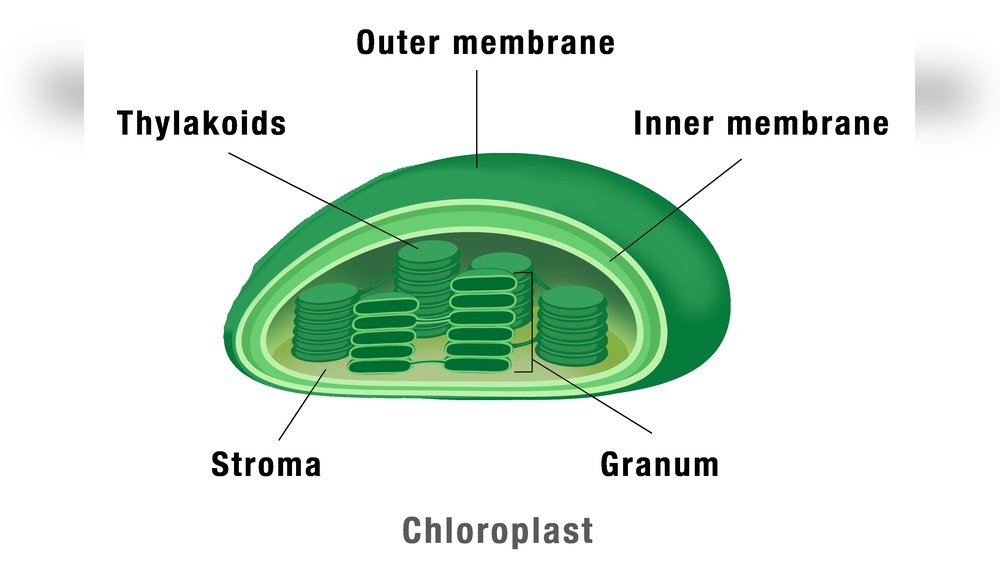
Chloroplasts contain thylakoid membranes where light-dependent reactions occur. The stroma hosts the Calvin cycle, where carbon fixation takes place. The presence of chlorophyll a and b enables these organelles to absorb light in the blue and red wavelengths most effectively.
- Grana: Stacks of thylakoids increase the surface area for light absorption.
- Stroma: Contains enzymes for the Calvin cycle, where CO₂ is converted into sugars.
- Accessory Pigments: Such as carotenoids, protect chlorophyll from damage and extend the range of light absorption.
Dynamic Chloroplast Positioning
In response to changing light conditions, many plants can reposition their chloroplasts within cells to optimize photosynthetic efficiency—a process known as chloroplast movement. This adaptation protects cells from photodamage under intense light and maximizes light capture in low-light conditions.
- High Light: Chloroplasts move to the side walls of cells to minimize light absorption and prevent damage.
- Low Light: Chloroplasts align along the cell’s upper surfaces to maximize light interception.
This dynamic behavior is essential for balancing energy capture with cellular protection.
Real-world Case Study: High-altitude Plants
Plants at high altitudes experience greater UV radiation and fluctuating light intensity. Studies show that these species often have higher chloroplast densities and enhanced chloroplast movement, enabling them to cope with environmental extremes and maintain efficient photosynthesis (NCBI: Photosynthetic Adaptation).
For example, alpine species of *Ranunculus* or *Gentiana* have evolved thicker leaves with denser palisade mesophyll and more robust chloroplast movement mechanisms, ensuring continued productivity despite harsh conditions.
Variations Among Plant Types And Environments
The location and density of photosynthetic cells are not uniform across the plant kingdom. They vary widely depending on species, evolutionary adaptations, and environmental factors.
Dicot Vs. Monocot Leaves
Dicot leaves (e.g., oak, beans) typically have a distinct palisade and spongy mesophyll, while monocot leaves (e.g., grasses, corn) often exhibit a more uniform mesophyll and parallel vascular bundles.
Table: Comparison Of Leaf Anatomy In Dicots And Monocots
| Feature | Dicot Leaf | Monocot Leaf |
|---|---|---|
| Mesophyll Differentiation | Palisade + Spongy | Undifferentiated |
| Vascular Bundle Arrangement | Net-like veins | Parallel veins |
| Palisade Cell Layer | Present | Usually absent |
| Example | Bean, Oak | Grass, Corn |
Monocot leaves may also exhibit Kranz anatomy in C4 species, where bundle sheath cells are the primary site of photosynthesis.
Environmental Factors Influencing Photosynthetic Cell Distribution
Plants adapt their leaf anatomy and photosynthetic cell distribution in response to:
- Light intensity: Sun-exposed leaves have thicker palisade layers, while shade leaves prioritize spongy mesophyll for more effective gas diffusion.
- Water availability: Xerophytes (desert plants) have reduced leaf area, thick cuticles, and may relocate chloroplasts to stem tissues to minimize water loss.
- Nutrient availability: Affects leaf thickness, size, and chloroplast development, with nutrient-rich environments supporting larger, thicker leaves with more robust mesophyll layers.
- Temperature: Plants in cold environments may develop thicker leaves and denser palisade mesophyll to maximize photosynthesis during short growing seasons.
Aquatic Plants: Photosynthesis Underwater
Aquatic plants, such as elodea and duckweed, have thin leaves with loosely arranged mesophyll cells to facilitate gas diffusion in water. Some submerged plants have chloroplasts distributed throughout the epidermis due to the absence of differentiated mesophyll.
- Floating plants: Such as water lilies, have stomata only on the upper leaf surface and a thick palisade mesophyll to maximize sunlight absorption at the water’s surface.
- Submerged plants: May lack stomata and rely on direct gas diffusion through their thin leaf surfaces.
Example: Crop Improvement Through Leaf Anatomy
Modern plant breeding and genetic engineering aim to optimize leaf anatomy for improved photosynthetic efficiency. For instance, “super rice” varieties have been developed with higher palisade cell densities, boosting yields and resource use efficiency (Nature Plants).
Scientists are also experimenting with introducing C4-like features into C3 crops, such as rice, to enhance their photosynthetic efficiency and resilience to climate change. Manipulating the distribution and density of photosynthetic cells is a promising strategy for meeting the growing food demands of the global population.
The Evolutionary Rationale Behind Leaf Structure
The remarkable consistency in the location of photosynthetic cells across diverse plant species is the product of millions of years of evolution. Plants have continuously refined their anatomy to maximize energy capture while balancing water conservation and defense against herbivores.
Adaptive Strategies In Different Ecosystems
- Rainforest plants often have large, thin leaves with expansive mesophyll layers to capture fleeting sunlight in shaded environments. Some species develop drip tips to shed excess water and prevent fungal infections.
- Desert succulents store water in thick, photosynthetic stems or leaves, sacrificing surface area for water retention. Their cells are adapted to maintain photosynthesis even during prolonged drought.
- Alpine plants may develop dense palisade layers to cope with intense sunlight and cold temperatures, often with a protective layer of trichomes (small hairs) to reduce UV damage and heat loss.
Evolution Of C4 And Cam Pathways
The evolution of C4 photosynthesis in hot, dry climates enables plants to concentrate CO₂ in specialized bundle sheath cells, reducing photorespiration and increasing efficiency. CAM plants separate CO₂ uptake and fixation temporally, allowing survival in extreme environments (ScienceDirect: Photosynthetic Pathways).
These pathways have independently evolved multiple times, a phenomenon known as convergent evolution, underscoring the adaptive importance of optimizing photosynthetic cell location and function.
Case Study: Saguaro Cactus
The saguaro cactus is an iconic example of stem-based photosynthesis. It lacks leaves entirely, relying on a thick, waxy stem filled with chloroplast-rich cells. This adaptation enables the saguaro to thrive in the harsh Sonoran Desert, demonstrating nature’s ingenuity in relocating photosynthetic machinery when traditional leaves are not viable.
The internal structure of the saguaro includes specialized photosynthetic tissue just below the stem’s surface, allowing efficient light capture while minimizing water loss. This adaptation supports the cactus’s massive size and longevity in a challenging environment.
Implications For Agriculture And Climate Science
Understanding the distribution of photosynthetic cells is not just an academic exercise—it has profound implications for the future of food security, environmental stewardship, and climate change mitigation.
Enhancing Crop Yields Through Leaf Engineering
- Breeding for thicker palisade layers and higher chloroplast densities has been shown to increase photosynthetic rates and, consequently, crop yields. Enhanced leaf anatomy allows for more efficient conversion of sunlight into usable plant energy.
- Genetic modification targeting the regulation of chloroplast development and positioning could unlock new levels of productivity in staple crops like rice, wheat, and maize.
- Precision agriculture techniques, such as remote sensing and phenotyping, can assess leaf structure and chlorophyll content to select the most productive plants for breeding programs.
Photosynthetic Efficiency And Carbon Sequestration
Maximizing the efficiency and area of photosynthetic tissues in plants enhances their ability to sequester atmospheric carbon dioxide. This is a critical component of nature-based solutions to climate change (IPCC Special Report).
- Afforestation and reforestation initiatives focus on planting species with high photosynthetic capacity and rapid growth to optimize carbon capture.
- Bioenergy crops are being engineered for increased photosynthetic efficiency, providing renewable energy while sequestering carbon.
Urban Greening And Vertical Farming
Innovative agricultural practices such as vertical farming and urban green roofs rely on optimizing photosynthetic cell exposure to artificial or filtered sunlight. Understanding the microanatomy of leaves allows for the design of more efficient growing systems in limited spaces.
- LED lighting systems can be tailored to the absorption spectra of chlorophyll, maximizing energy efficiency and plant productivity.
- Hydroponic and aeroponic systems can be designed to promote optimal leaf orientation and minimize shading, ensuring every photosynthetic cell contributes to growth.
Example: Space Agriculture
Experiments on the International Space Station have shown that microgravity affects chloroplast positioning and photosynthetic cell development. Insights from terrestrial plant anatomy guide the selection and engineering of crops for long-duration space missions (NASA Space Gardening).
- Wheat, lettuce, and radish have been successfully grown in space, with researchers closely monitoring chloroplast behavior and photosynthetic efficiency.
- Understanding how photosynthetic cells adapt in space environments will be crucial for sustaining human life on the Moon, Mars, and beyond.
Frequently Asked Questions
Where Are Most Photosynthetic Cells Found In Plants?
Most photosynthetic cells are located in the mesophyll tissue of leaves, specifically within the palisade mesophyll layer. These cells are packed with chloroplasts and are optimized to capture sunlight efficiently. Other green tissues such as stems and unripe fruits may also contain photosynthetic cells, but they contribute far less to the plant’s overall photosynthesis.
Why Do Palisade Mesophyll Cells Have So Many Chloroplasts?
Palisade mesophyll cells are positioned just below the upper surface of the leaf, where they receive the most intense sunlight. To maximize light capture, these elongated cells are densely packed with chloroplasts, making them the primary site for photosynthesis in the plant.
Can Photosynthesis Occur In Plant Roots?
Photosynthesis requires both chlorophyll and exposure to light. Since most roots grow underground and lack chlorophyll, they do not perform photosynthesis. However, in some unique cases (such as aerial roots of certain orchids or epiphytes), roots can be exposed to light and develop chloroplasts, enabling limited photosynthesis.
How Does Leaf Anatomy Affect A Plant’s Photosynthetic Efficiency?
Leaf anatomy—including the thickness of the palisade layer, arrangement of mesophyll cells, and density of stomata—directly influences how much light and carbon dioxide can be absorbed. Plants in high-light environments often develop thicker leaves with more palisade cells, while shade-adapted plants have thinner leaves with more spongy mesophyll for efficient gas exchange.
What Is The Significance Of Understanding Photosynthetic Cell Distribution For Agriculture?
Knowing where and how photosynthetic cells are distributed helps scientists and breeders engineer crops for higher productivity. By increasing chloroplast density in key tissues or optimizing leaf anatomy, it’s possible to boost photosynthetic rates, improve water use efficiency, and enhance crop resilience to environmental stress.
Plants, through millions of years of evolution, have developed intricate internal structures to optimize the capture of sunlight and the conversion of carbon dioxide into life-sustaining sugars. By understanding that most photosynthetic cells reside within the palisade mesophyll of leaves, we unlock not just a fundamental biological truth, but also a roadmap for innovation in agriculture, environmental management, and even interplanetary exploration.
As research continues and technology advances, leveraging the knowledge of photosynthetic cell distribution will be key to meeting the grand challenges of the 21st century. For more on this, see our guide on Planting.