For decades, many Americans have been surprised to learn that the U. S. government has paid farmers not to plant crops. This policy, often misunderstood as paradoxical, has shaped the nation’s agricultural landscape, food supply, and rural economies. Whether viewed as an economic necessity, a means of environmental conservation, or a tool of market stability, the reasons behind these payments are as relevant today as they were during the Dust Bowl era.
Understanding why the government chose to pay farmers for idling their fields reveals the complex interplay between policy, economics, environment, and food security. From the New Deal to the present, these programs have responded to the twin challenges of overproduction and market volatility—issues still critical in global agriculture today.
This article unpacks the history, rationale, mechanisms, and impacts of paying farmers not to plant, using real-world examples, data-driven insights, and a critical look at ongoing debates.
Key Takeaways
- The government paid farmers not to plant crops to address overproduction, stabilize prices, and protect farm incomes.
- Programs like the Agricultural Adjustment Act (AAA) and Conservation Reserve Program (CRP) played central roles.
- These policies also aimed at environmental conservation, reducing soil erosion and improving water quality.
- While effective in some areas, critics argue that such payments can distort markets and benefit large agribusinesses disproportionately.
- The debate continues as policymakers balance food security, environmental sustainability, and rural livelihoods.
The Historical Context: Origins Of Paying Farmers Not To Plant
The Great Depression And Agricultural Overproduction
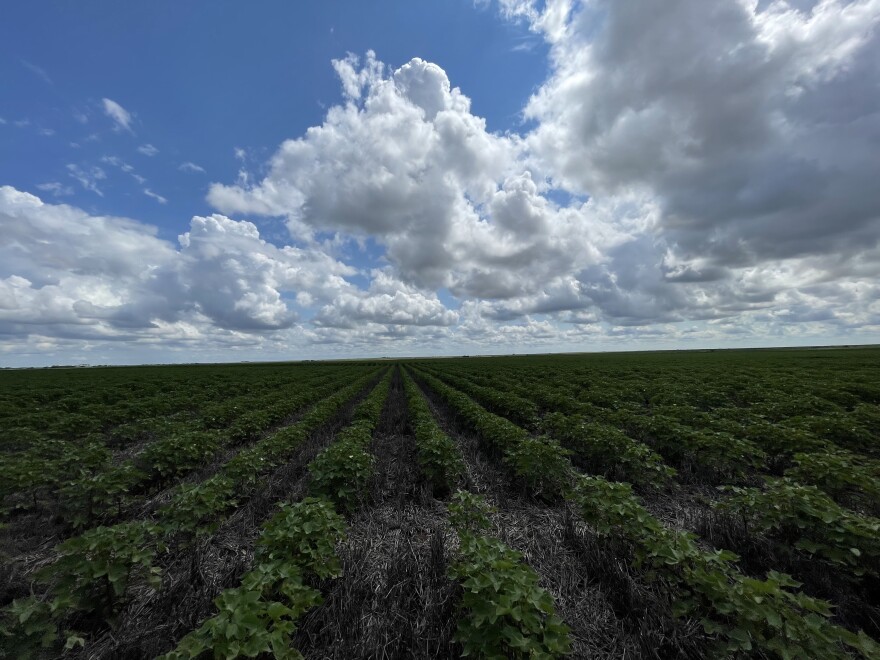
The roots of government payments to idle farmland trace back to the early 1930s. The Great Depression devastated the American economy, and farmers were among the hardest hit. Advances in machinery and farming techniques had led to bumper crops, flooding markets and causing prices to plummet.
For example, in 1932, the price of corn fell to just 13 cents per bushel, less than half the production cost for many farmers. With incomes collapsing, thousands of farms faced foreclosure. This overproduction wasn’t unique to corn; it affected wheat, cotton, and other staples, contributing to the infamous Dust Bowl, a period of severe dust storms and ecological disaster across the Plains.
In addition to economic hardship, the environmental consequences were devastating. The over-plowing of land, combined with drought, stripped the topsoil and led to massive dust storms that rendered millions of acres unproductive and forced entire communities to migrate. The interplay of these factors revealed that market forces alone were insufficient to sustain both rural livelihoods and the land itself.
The Agricultural Adjustment Act Of 1933
To address these crises, President Franklin D. Roosevelt’s administration enacted the Agricultural Adjustment Act (AAA) in 1933. The AAA paid farmers to reduce acreage and production in key crops, including corn, cotton, wheat, rice, and tobacco.
The rationale was straightforward: by reducing supply, prices for agricultural goods would rise, allowing farmers to earn a sustainable living. The AAA was funded by a tax on companies that processed farm products, such as flour mills and cotton gins.
Key features of the AAA included:
- Voluntary participation: Farmers could choose to participate and were compensated for not planting.
- Targeted crops: Payments focused on major commodities.
- Immediate effect: Within the first year, farmers removed more than 10 million acres from production.
The policy was innovative for its time, representing a direct federal intervention in agricultural markets. It was also an early recognition that unchecked production, while theoretically beneficial for consumers, could have ruinous impacts on producers and the land.
Early Results And Controversies
The AAA quickly increased prices and stabilized farm incomes. However, it was controversial. Critics argued that destroying crops while millions went hungry was immoral. Others noted that large landowners benefited most, while sharecroppers and tenant farmers often lost livelihoods.
A particularly poignant example was the slaughter of millions of pigs and plowing under of cotton fields to reduce supply, which drew public outrage amidst widespread hunger. The policy’s implementation highlighted deep social inequities, as many landless workers saw their employment opportunities vanish with no compensation.
In 1936, the Supreme Court ruled parts of the AAA unconstitutional, but subsequent legislation revived and modified its core principles. The idea of paying farmers not to plant became institutionalized in U. S. farm policy.
Postwar Expansion And Policy Evolution
After World War II, the U.S. government expanded acreage reduction programs. Surplus grain stocks became a recurring concern, leading to the creation of the Soil Bank Program in the 1950s and later the Set-Aside Program in the 1970s. Each iteration aimed to balance the needs of farmers, consumers, and the environment.
Programs increasingly recognized the interconnectedness of economic stability and environmental stewardship. In the 1960s, rising awareness of environmental degradation prompted policymakers to consider not just economic, but also ecological goals. The passage of the Food Security Act of 1985, which established the Conservation Reserve Program (CRP), marked a major pivot toward integrating conservation into farm policy.

Economic Rationale: Market Stability And Income Support
Addressing The Boom-and-bust Cycle
Agricultural markets are inherently volatile. Weather, disease, and global demand can swing prices dramatically. When supply exceeds demand, prices collapse, threatening the viability of family farms and rural economies. Conversely, shortages can drive prices—and food insecurity—sky high.
Paying farmers not to plant, known as acreage reduction or land retirement, helps dampen these cycles by:
- Reducing market supply to prevent gluts and price crashes.
- Supporting farm incomes by stabilizing prices at sustainable levels.
- Providing predictability for farm planning and investment.
The policy mechanism essentially acts as a valve for the agricultural economy—turning the flow of supply up or down as needed to maintain equilibrium. This predictability is especially valuable for crops with long growing cycles and high input costs, such as wheat and cotton.
How Payments Work: Mechanisms And Examples
Farmers participating in these programs agree to leave a portion of their land fallow (unplanted) for a season or longer. In return, they receive direct payments or subsidies, often calculated based on historical yields or average market prices.
Example: The 1983 Payment-in-kind (pik) Program
The PIK Program offered farmers surplus government grain as payment for not planting. In 1983, over 77 million acres were idled, and grain stocks fell by 50%. Corn prices rose from $2.55 to $3.20 per bushel, illustrating the program’s market impact.
The PIK program also demonstrated the government’s flexibility in responding to changing circumstances. By distributing surplus stocks, it not only reduced the glut but also provided immediate relief to farmers, who could use the grain for feed or sale, depending on their needs.
Economic Impact: Data And Outcomes
Data from the U.S. Department of Agriculture (USDA) show that between 1933 and 1995, farm support payments averaged 10-15% of net farm income. In some years, such as 1986, payments reached 30%.
The following table compares farm income and government payments over select years:
| Year | Net Farm Income (billion USD) | Government Payments (billion USD) | Payments as % of Income |
|---|---|---|---|
| 1976 | 24.7 | 4.1 | 16.6% |
| 1986 | 32.5 | 10.8 | 33.2% |
| 1995 | 45.2 | 7.2 | 15.9% |
| 2020 | 121.1 | 46.5 | 38.4% |
Source:USDA Economic Research Service
Beyond direct income support, these payments have ripple effects throughout rural communities. When farm incomes are stabilized, farmers are more likely to invest in equipment, hire labor, and support local businesses, all of which contribute to the broader rural economy.
The Safety Net For Rural America
For many rural communities, these payments provide a critical safety net. By softening the blow of market downturns, they support local businesses, schools, and infrastructure, helping maintain the fabric of rural life.
However, critics point to market distortion and budgetary costs as potential downsides. Some argue that subsidies encourage inefficiency and can disadvantage smaller farms.
Additionally, there is an ongoing debate about the fairness of these payments, as larger farms often have greater capacity to enroll more acreage, thus receiving more substantial government support. Efforts to impose payment limits and introduce means-testing have met with mixed results, as the political influence of large agricultural interests remains strong.

Environmental Goals: Conservation And Sustainable Land Use
Soil Erosion And The Dust Bowl Legacy
The Dust Bowl of the 1930s was not only an economic disaster but also an environmental catastrophe. Intensive plowing and monocropping stripped the Great Plains of protective grasses, turning fertile soil into dust during droughts.
Programs that paid farmers not to plant, especially on fragile or marginal lands, became a tool for soil conservation. By leaving land fallow or planting cover crops, these programs reduced erosion, improved water retention, and restored soil health.
For example, the establishment of shelterbelts (rows of trees planted to break the wind) and the reintroduction of native grasses helped reverse some of the worst effects of soil erosion. These efforts not only stabilized the land but also provided valuable wildlife habitat and improved the resilience of farming communities to future droughts.
The Conservation Reserve Program (crp)
Established in 1985, the Conservation Reserve Program marked a shift from pure market stabilization to explicit environmental goals. The CRP pays farmers to remove environmentally sensitive land from agricultural production and plant species that improve environmental health.
Key CRP objectives include:
- Reducing soil erosion
- Enhancing water quality
- Creating wildlife habitat
- Sequestering carbon
More than 20 million acres are currently enrolled in the CRP, with participants receiving annual rental payments and cost-share assistance for establishing conservation practices.
The CRP is not only one of the largest private-lands conservation programs in the world, but also a model for how farm policy can deliver both economic and ecological benefits. Studies have shown that, in addition to reducing erosion, CRP lands can improve air quality by trapping dust and particulates, and play a key role in mitigating the impacts of extreme weather events.
Example: Crp’s Impact On Water Quality
A 2017 study found that CRP enrollment reduced nitrogen runoff by 33% and phosphorus runoff by 28% in targeted watersheds. This improvement in water quality benefits both ecosystems and downstream communities.
Additional research has found that restored wetlands and riparian buffers on CRP land can act as natural filters, trapping sediments and pollutants before they reach rivers and lakes. This is especially important in regions like the Midwest, where nutrient runoff contributes to the Gulf of Mexico’s “dead zone.
”
Comparison: Economic Vs. Environmental Programs
| Program | Primary Goal | Incentive Type | Acres Enrolled (2020) |
|---|---|---|---|
| AAA/Soil Bank | Market Stabilization | Direct Payment/Subsidy | Varied (up to 28 million in 1960) |
| CRP | Environmental Protection | Rental Payment/Cost-Share | 21.9 million |
Source:USDA FSA
Wildlife And Biodiversity Benefits
By restoring grasslands, wetlands, and forests, these programs have helped revive populations of ducks, pheasants, and pollinators. The National Audubon Society credits CRP with saving millions of acres of bird habitat.
In addition, many states have developed complementary programs to encourage landowners to manage CRP land specifically for the benefit of threatened or endangered species. The increased habitat diversity supports not only game species but also songbirds, pollinators like bees and butterflies, and even rare amphibians and reptiles.
Real-world Examples And Case Studies
Case Study 1: The Cotton South In The 1930s
In Mississippi and Alabama, the AAA’s acreage reduction payments led to the destruction of 10 million acres of cotton. While this stabilized prices, it displaced thousands of sharecroppers, many of whom were African American. This highlights both the economic rationale and the social costs of such policies.
The reduction in planted acreage meant less work for landless laborers, and in many cases, payments went exclusively to landowners. This dynamic exacerbated racial and class inequalities, fueling migration to urban centers and laying the groundwork for significant demographic shifts in the mid-20th century.
Case Study 2: The Great Plains Grassland Restoration
In Kansas and Nebraska, the CRP converted millions of acres of eroding cropland back to native grasses. Farmers received steady rental payments, while the land saw dramatic reductions in dust storms and improved biodiversity.
Local economies benefited not only from the direct payments but also from new opportunities in recreation, such as hunting and wildlife tourism, which have become significant income sources for some rural communities.
Case Study 3: California’s Drought Set-aside Programs
During prolonged droughts, California has implemented voluntary set-aside programs, paying farmers to fallow water-intensive crops like almonds and rice. These programs helped conserve scarce water resources and reduced pressure on fragile river ecosystems.
In some cases, water rights freed up by fallowing have been leased to municipalities or environmental groups for ecological restoration projects, creating new partnerships between agriculture and conservation interests.
Case Study 4: Eu Land Set-aside Policies
The European Union has also paid farmers not to plant, notably through the Common Agricultural Policy (CAP). In the 1990s, set-aside requirements helped reduce wine and grain gluts. While the context differs, the economic and environmental logic is similar.
For more on international comparisons, see Wikipedia: Common Agricultural Policy.
Policy Mechanisms: How Payments To Not Plant Are Structured
Voluntary Vs. Mandatory Programs
Most U.S. programs are voluntary: farmers choose whether to participate based on market conditions and program incentives. Some, like the 1973 wheat set-aside, had mandatory elements for subsidy eligibility.
Voluntary programs are generally more politically palatable, but mandatory set-asides have sometimes been necessary when surpluses threaten to overwhelm storage capacity or disrupt international markets.
Payment Calculation Methods
Payments are typically based on:
- Historical yields (average output from previous years)
- Market prices (average or target price for the crop)
- Land rental value (for conservation programs)
The structure aims to ensure payments are fair and encourage participation without overcompensation.
For example, CRP contracts use a competitive bidding process, where farmers submit offers based on their land’s rental value and the expected environmental benefits. This approach encourages cost-effectiveness and helps target funds where they will have the greatest impact.
Contract Length And Land Use Restrictions
Contracts can range from 1-year (market stabilization) to 10-15 years (conservation). Farmers must follow strict land use rules—no commercial cropping or grazing, and in some cases, required planting of cover or native species.
Longer contracts provide more stable income for farmers and greater environmental benefits, but they also require a greater commitment. Some programs allow limited, managed grazing or haying during drought emergencies, balancing conservation with flexibility.
Monitoring And Compliance
Federal agencies such as the USDA Farm Service Agency monitor compliance through satellite imagery, on-site inspections, and annual reporting. Penalties for noncompliance include repayment of funds and exclusion from future programs.
Recent advances in remote sensing and data analytics have made monitoring more efficient and accurate, reducing fraud and ensuring that public funds are used as intended. This technological progress has also enabled more precise targeting of conservation efforts to the most sensitive or valuable lands.
Funding And Budgetary Allocation
Funding comes primarily from the federal budget, often through the Farm Bill reauthorized every five years. In 2020, total conservation and commodity payments exceeded $40 billion.
For more details, see Congressional Budget Office: USDA Programs.
Impacts On Food Prices, Markets, And Consumers
Price Stabilization And Consumer Costs
By reducing supply, these programs typically raise commodity prices. While good for farmers, higher prices can affect food processors and consumers. The impact is often modest due to the small share of raw commodity in retail food prices.
For example, the wheat in a loaf of bread accounts for less than 10% of its retail price; other costs include processing, transport, and retail markup.
Nevertheless, for some low-income consumers or in times of global crisis, even small price increases can have outsized impacts. Policymakers must weigh the benefits of farm income support against the potential for higher costs at the grocery store, especially for staple foods.
Global Market Effects
U. S. acreage reduction can influence global markets. When the U. S. idles cropland, world grain prices often rise, benefiting farmers in other exporting countries like Brazil and Ukraine.
However, critics argue this can hurt food-importing nations, raising concerns about global food security. For more, see FAO Food Price Monitoring.
Furthermore, large-scale land retirement in the U. S. can shift global trade flows, sometimes leading to increased production in regions with less stringent environmental standards, a phenomenon known as “leakage. ” This underscores the importance of coordinated international policy efforts.
Winners And Losers
Beneficiaries:
- Large-scale commodity producers
- Landowners (including absentee owners)
- Rural communities (via economic stability)
Potential losers:
- Consumers (slightly higher food costs)
- Sharecroppers and tenant farmers (historically displaced)
- Small-scale specialty crop growers (less likely to qualify)
Certain regions and demographic groups may benefit more than others, depending on the structure of the program and local agricultural conditions. Efforts to broaden eligibility and address historic inequities are ongoing, but challenges remain.
Table: Impact Comparison
| Stakeholder | Positive Impact | Negative Impact |
|---|---|---|
| Farmers (owners) | Higher, stable income | Reduced production opportunity |
| Consumers | Stable supply | Possible price increase |
| Environment | Less erosion, more habitat | Land idled, not producing food |
| Global Markets | Price stability | Potential higher costs for importers |
Criticisms, Controversies, And Ongoing Debates
Market Distortion And “farming The Subsidy”
Critics argue that paying farmers not to plant can distort market signals. Some producers may “farm the subsidy,” optimizing payments rather than market-driven production. Large landowners can benefit disproportionately, while smaller, diversified, or specialty crop farmers miss out.
A 2019 Government Accountability Office report found that the top 10% of subsidy recipients received 77% of payments. For more, see GAO Farm Program Analysis.
There are also concerns about unintended environmental consequences. For instance, some farmers may convert previously uncultivated land to crops in order to establish a production history and become eligible for future payments—a phenomenon known as “slippage. “
Social And Racial Impacts
Historically, tenant farmers and sharecroppers—often minorities—were excluded from payments when landowners idled fields. This deepened rural poverty and contributed to the Great Migration of African Americans out of the South.
Efforts to address these disparities have included targeted outreach and technical assistance for socially disadvantaged farmers, but access and equity remain persistent challenges.
Environmental Trade-offs
While conservation programs yield clear benefits, critics note that idling productive cropland during food crises (e. g. , 2007-08 global grain shortage) can be controversial. Policymakers have sometimes reactivated land for emergency production.
This balancing act between conservation and production is ongoing, as climate change and global population growth put new pressures on agricultural systems.
Calls For Reform
Recent Farm Bills have tightened eligibility, capped payments, and targeted conservation more precisely. There is a push for “working lands” programs, which reward active environmental stewardship rather than simple land idling.
For example, the Environmental Quality Incentives Program (EQIP) and the Conservation Stewardship Program (CSP) pay farmers for implementing conservation practices on actively farmed land, blending production and sustainability goals.
International Criticism
The World Trade Organization (WTO) has scrutinized U. S. farm payments as potential trade distortions. Other nations have lodged complaints, arguing that such policies affect global competitiveness.
For an international perspective, see WTO: Introduction to Agriculture.
The Future Of Paying Farmers Not To Plant
Climate Change And Carbon Markets
With climate change rising on the agenda, there is growing interest in paying farmers for carbon sequestration—storing carbon in soil and plants by idling or rewilding cropland. This could transform the rationale for payments from market stabilization to climate action.
Pilot programs and voluntary carbon markets are emerging, offering farmers new revenue streams for practices that capture and store carbon, such as cover cropping, agroforestry, and wetland restoration.
Shifting Policy Priorities
Current debates focus on:
- Sustainable intensification: Producing more with less land.
- Targeted conservation: Focusing on the most sensitive or valuable acres.
- Equity and access: Ensuring small and minority farmers can participate.
- Food security: Balancing domestic and global needs.
Policymakers are increasingly interested in integrating technology, data, and market-based solutions to maximize both economic and environmental returns.
Technology And Data
Advances in satellite monitoring, remote sensing, and data analytics allow for more precise targeting and verification of land use, enhancing both efficiency and accountability.
These tools also enable adaptive management, where program parameters can be adjusted in real time based on observed outcomes, making future policies more responsive and effective.
International Models
Some countries, such as Australia and Brazil, have experimented with market-based conservation credits rather than direct payments for idling land. These models may influence future U. S. policy.
For ongoing updates, see USDA NRCS Conservation Programs.
Frequently Asked Questions
What Is The Main Reason The U.s. Government Pays Farmers Not To Plant Crops?
The primary reason is to reduce agricultural overproduction, which helps stabilize crop prices and support farm incomes. By limiting supply, these programs aim to prevent the boom-and-bust cycles that have historically destabilized rural economies.
How Do These Payments Benefit The Environment?
Programs like the Conservation Reserve Program incentivize farmers to idle environmentally sensitive land, reducing soil erosion, improving water quality, and creating wildlife habitat. This has led to significant gains in biodiversity and ecosystem health.
Who Qualifies For Payments Not To Plant, And How Are They Chosen?
Eligibility depends on the program. Most target owners of cropland with a history of producing certain commodities. Selection is often based on bids, environmental sensitivity, and adherence to conservation practices. Small and beginning farmers may face barriers to participation.
Do These Programs Raise Food Prices For Consumers?
While reducing supply can increase commodity prices, the effect on retail food prices is generally modest. Raw commodity costs make up a small share of retail food prices, with most costs coming from processing, transportation, and marketing.
Are Similar Policies Used In Other Countries?
Yes, many countries—including members of the European Union—have used set-aside or land retirement programs to stabilize markets and promote conservation. However, specific structures, goals, and funding vary widely by country.
As the interplay between agriculture, environment, and global markets grows more complex, the debate over paying farmers not to plant is far from over. This policy, born out of crisis, has evolved to address modern challenges of sustainability, equity, and climate resilience.
Its lessons continue to shape not only American agriculture but also food systems worldwide.