How To Incorporate More Plant-Based Proteins Into Your Diet
Adding plant-based proteins to your diet involves swapping some animal protein sources for plant-based ones like beans, lentils, tofu, and nuts. It’s about making smart, simple substitutions that add flavor and nutrients without sacrificing satisfaction. You’ll discover a variety of delicious and easy ways to boost your protein intake naturally.

As an Amazon Associate I earn from qualifying purchases.
For a related plant-care question, Which Plant Does Saguaro National Park Get Its Name From? gives readers a more focused follow-up.

Understanding Plant-Based Proteins
Protein is a building block for your body. It helps build muscles and tissues. It also helps you feel full longer.
Many people think of meat, eggs, and dairy for protein. These are animal-based proteins. But plants offer a wealth of protein too.
These are called plant-based proteins.
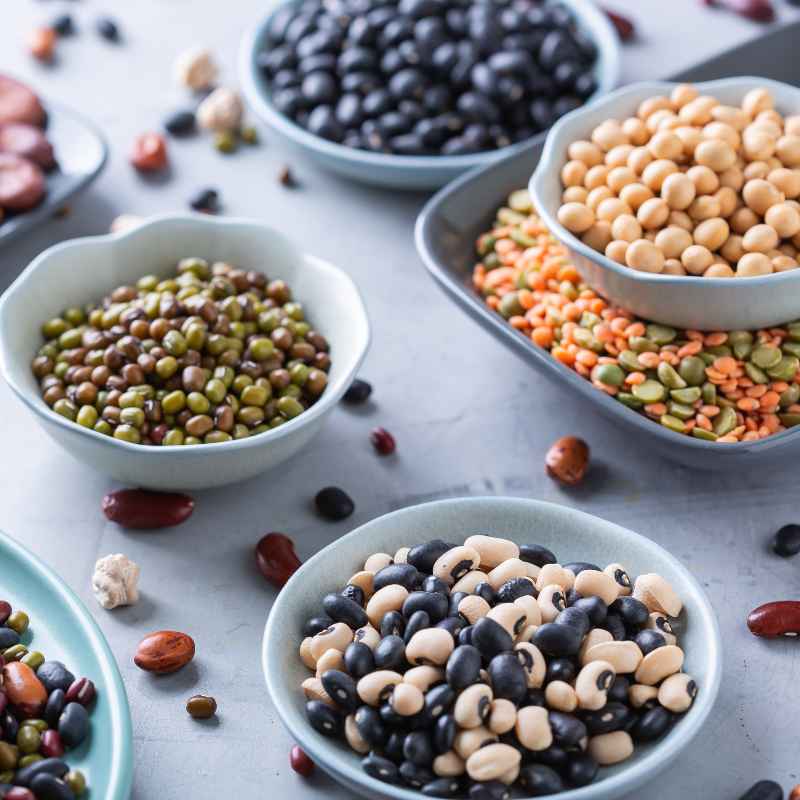
Plant proteins come from foods like beans, peas, and lentils. Nuts and seeds are also good sources. Tofu and tempeh, made from soybeans, are very popular.
Even some grains, like quinoa, have decent amounts of protein.
The key is variety. Different plant foods have different types of protein. Your body needs all the different kinds.
Eating a wide range of plant foods makes sure you get what you need. It’s like collecting different puzzle pieces. Each piece is important.

My First Foray into Plant Protein
I remember the first time I really tried to cut back on meat. It was for a health challenge with friends. I thought, “Okay, easy enough.
I’ll just skip the steak.” But after a few days, I felt… weird. Not quite hungry, but not satisfied either. My lunch salads felt limp.
My dinners lacked that hearty feel.
One evening, I made a big pot of lentil soup. It was simple: lentils, vegetable broth, carrots, celery, and some herbs. I topped it with a dollop of plain Greek yogurt.
That first bite was surprisingly rich and filling. I felt a true sense of satisfaction I hadn’t felt with my “lighter” meals. It was a small moment, but it changed my perspective.
Plant foods could be hearty and delicious. They could make me feel full. I just needed to learn how to use them right.
Key Plant Protein Sources
Legumes: Beans (black, kidney, pinto, chickpeas), lentils (red, green, brown), peas, edamame.
Soy Products: Tofu, tempeh, edamame, soy milk.
Nuts & Seeds: Almonds, walnuts, peanuts, cashews, chia seeds, flax seeds, pumpkin seeds, sunflower seeds.
Whole Grains: Quinoa, oats, brown rice, whole wheat bread.
Vegetables: Broccoli, spinach, Brussels sprouts (contain smaller amounts but add up).
Why Choose Plant-Based Proteins?
There are many reasons people choose to eat more plant-based proteins. Some do it for their health. Others do it for the environment.
Some simply enjoy the new flavors and foods they discover.
Health Benefits: Plant proteins often come with fiber, vitamins, and minerals. They are usually lower in saturated fat than animal proteins. Eating more plants can support a healthy heart.
It can also help manage weight. Plus, many plant foods are packed with antioxidants.
Environmental Impact: Producing plant-based foods generally uses less water and land. It also creates fewer greenhouse gas emissions than raising livestock. Choosing plants is a way to be kinder to our planet.
It’s a small step with a big impact.
Dietary Variety: Exploring plant proteins opens up a world of new tastes and textures. You might find you love tempeh stir-fries or lentil shepherd’s pie. It can make your meals more exciting.
Plant Protein vs. Animal Protein
Plant Protein:
- Often comes with fiber
- Lower in saturated fat
- Higher in vitamins and minerals
- Better for the environment
Animal Protein:
- Can be a complete protein (contains all essential amino acids)
- Can be higher in saturated fat and cholesterol
- Requires more resources to produce
Note: Most plant proteins are not “complete” on their own. This means they lack one or more essential amino acids. But by eating a variety of plant foods throughout the day, you can easily get all the amino acids your body needs.
Your body stores amino acids to use later.
Making Simple Swaps
You don’t have to go fully vegetarian or vegan overnight. Small changes make a big difference. Think about your favorite meals.
How can you add more plant protein to them?
Meatless Mondays: Start by having one day a week where you eat no meat. Plan your meals for that day. Maybe it’s a big bowl of chili made with beans.
Or pasta with a hearty lentil sauce.
Half-and-Half: When making dishes like tacos or burgers, use half ground meat and half cooked lentils or black beans. You get a similar texture and flavor. But you reduce the meat and boost the fiber and protein from the beans.
Breakfast Boost: Instead of just eggs, try adding some black beans to your scramble. Or make oatmeal and stir in some nut butter and seeds. For a sweeter option, try a smoothie with plant-based protein powder and berries.
Snack Smarter: Swap chips for a handful of almonds or walnuts. Hummus with vegetable sticks is a great protein-rich snack. Roasted chickpeas are also a crunchy, satisfying choice.
Easy Snack Swaps
Instead Of: Potato Chips
Try: Roasted chickpeas, a handful of almonds or pumpkin seeds.
Instead Of: Sugary granola bar
Try: Apple slices with peanut butter, a small trail mix.
Instead Of: Candy
Try: Edamame (steamed or roasted), dried fruit and nut mix.
Incorporating Key Plant Proteins
Let’s dive into some specific foods. Knowing how to use them makes it much easier.
Beans and Lentils
Beans and lentils are giants in the plant protein world. They are cheap, versatile, and packed with nutrients. You can buy them dried or canned.
Canned beans are super convenient. Just rinse them before using.
In Soups and Stews: Add a can of kidney beans to your chili. Toss some lentils into a vegetable soup. They thicken the broth and add substance.
In Salads: Chickpeas or black beans are fantastic in salads. They add a great texture and protein punch. Mix them with your greens, veggies, and a tasty dressing.
As a Base: Mash cooked beans and mix them with spices. Use this mixture as a filling for tacos or burritos. Or form them into patties for veggie burgers.
Dips and Spreads: Hummus is made from chickpeas. It’s a classic dip. You can also blend white beans with herbs and garlic for a creamy spread.
Tofu and Tempeh
Tofu and tempeh come from soybeans. They are great for absorbing flavors. Tofu comes in different firmness levels.
Silken tofu is soft and good for smoothies or sauces. Firm and extra-firm tofu are best for cooking.
Tempeh is made from fermented soybeans. It has a firmer texture and a slightly nutty taste. It’s often sold in blocks.
Tofu:
- Scrambled: Crumble firm tofu and sauté it with turmeric and black salt for an “egg-like” scramble.
- Baked or Fried: Press firm tofu to remove water. Then cut it into cubes or slices. Marinate it and bake or pan-fry until crispy. Add to stir-fries or salads.
- Smoothies: Silken tofu blends smoothly into smoothies. It adds creaminess and protein without a strong flavor.
Tempeh:
- Marinated and Grilled: Slice tempeh, marinate it in your favorite sauce, and grill or bake it. It makes a great sandwich filling.
- Crumbled: Crumble tempeh and sauté it. Use it as a substitute for ground meat in pasta sauces or taco fillings.
Quick Tofu Prep Tip
Pressing Tofu: To get the best texture from firm or extra-firm tofu, press out excess water. You can use a tofu press. Or wrap the block in paper towels and place a heavy object on top for 15-30 minutes.
This helps it crisp up better when cooked.
Nuts and Seeds
These are powerhouse foods. They are high in healthy fats, protein, and fiber. A small handful can be very satisfying.
Be mindful of portion sizes as they are calorie-dense.
As Snacks: Almonds, walnuts, cashews, pistachios, pumpkin seeds, sunflower seeds are perfect for snacking.
In Meals: Sprinkle chopped nuts or seeds over salads. Stir them into yogurt or oatmeal. Add them to stir-fries for crunch.
Nut Butters: Peanut butter, almond butter, and cashew butter are excellent. Spread them on toast, fruit slices, or add a spoonful to smoothies.
Chia and Flax Seeds: These tiny seeds are amazing. They are rich in omega-3 fats and fiber. Grind flax seeds to help your body absorb their nutrients.
Add them to smoothies, oatmeal, or baked goods. They can also be used to make “chia eggs” for baking.
Nut and Seed Facts
Almonds: Good source of Vitamin E and magnesium.
Walnuts: Rich in omega-3 fatty acids.
Chia Seeds: Absorb liquid to form a gel, great for pudding or thickening.
Flax Seeds: Best consumed ground for nutrient absorption.
Pumpkin Seeds: High in zinc and magnesium.
Whole Grains
While known for carbs, many whole grains offer a good dose of protein. They also provide essential fiber. This helps keep you full and supports digestion.
Quinoa: This is often called a “complete protein” because it contains all nine essential amino acids. It’s a great side dish or a base for grain bowls.
Oats: A hearty breakfast option. Oats provide fiber and protein. Top with nuts and seeds for an extra boost.
Brown Rice: A good source of fiber and some protein. Use it instead of white rice.
Whole Wheat Products: Choose whole wheat bread, pasta, and crackers. They have more protein and fiber than their refined white counterparts.
Grain Protein Comparison (per cooked cup)
| Grain | Protein (grams) |
| Quinoa | 8 |
| Oats | 6 |
| Brown Rice | 5 |
| Whole Wheat Pasta | 7 |
Putting It All Together: Meal Ideas
Now let’s talk about making delicious meals. It’s not just about eating plain beans.
Breakfast
Tofu Scramble: Crumble firm tofu. Sauté with onions, peppers, and spinach. Season with turmeric, cumin, and nutritional yeast for a cheesy flavor.
Serve with whole-wheat toast and avocado.
Overnight Oats: Combine rolled oats, plant-based milk, chia seeds, and a scoop of protein powder in a jar. Let it sit overnight in the fridge. Top with berries and nuts in the morning.
Peanut Butter Banana Toast: Whole-wheat toast topped with natural peanut butter, sliced banana, and a sprinkle of hemp seeds.
Lunch
Lentil Soup with Whole Grain Bread: A hearty and warming soup. Easy to make a big batch and have leftovers.
Chickpea Salad Sandwich: Mash chickpeas with a little vegan mayo or tahini, celery, and onion. Season with salt and pepper. Serve on whole-wheat bread.
Buddha Bowl: A base of quinoa or brown rice topped with roasted sweet potatoes, steamed broccoli, black beans, and a tahini dressing. Add some seeds for crunch.
Dinner
Black Bean Burgers: Homemade black bean burgers served on whole-wheat buns with your favorite toppings. You can add oats or breadcrumbs to help bind them.
Lentil Shepherd’s Pie: A base of seasoned lentils and vegetables topped with mashed sweet potato or regular potato.
Tempeh Stir-Fry: Marinated tempeh cubes stir-fried with colorful vegetables like bell peppers, snap peas, and carrots in a soy-ginger sauce. Serve with brown rice.
Pasta with White Bean Sauce: Blend cannellini beans with garlic, lemon juice, and herbs. Toss with your favorite whole-wheat pasta and vegetables.
My Go-To Lentil Bolognese
This is so simple and delicious. I sauté onions, carrots, and celery. Then I add brown or green lentils, crushed tomatoes, and vegetable broth.
A bay leaf and some Italian herbs go in too. Simmer until lentils are tender. It’s a weeknight winner!
Tips for Success
Making lasting changes is about making them easy and enjoyable.
Plan Your Meals
Taking a few minutes to plan your meals for the week can make a huge difference. Know what you’re going to eat. This helps you shop smarter.
And it stops you from reaching for less healthy options when you’re hungry.
Stock Your Pantry
Keep your pantry stocked with key items. Canned beans, dried lentils, oats, quinoa, nuts, seeds, and nut butters are great staples. Having these on hand makes it easy to throw together a healthy meal or snack.
Don’t Fear Flavor
Plant-based proteins can take on any flavor you give them. Use herbs, spices, garlic, onions, lemon juice, vinegars, and sauces to add excitement. Experiment with different cuisines!
Listen to Your Body
Pay attention to how you feel. Are you satisfied after meals? Do you have energy?
If something isn’t working, adjust it. Everyone’s needs are different.
Stay Hydrated
Drinking enough water is important. Especially when you increase your fiber intake from plant foods. Water helps with digestion and nutrient absorption.
When to Be Mindful
While plant-based proteins are fantastic, there are a few things to keep in mind.
Getting All Amino Acids
As mentioned, most plant proteins aren’t “complete” on their own. But this is rarely an issue for most people who eat a varied diet. By eating a mix of beans, grains, nuts, and seeds throughout the day, your body gets all the amino acids it needs.
For example, rice and beans together provide a complete protein profile.
Iron Absorption
Plant-based iron (non-heme iron) is not absorbed as easily as iron from meat (heme iron). To help your body absorb iron from plant foods like beans and leafy greens, eat them with foods rich in Vitamin C. Think bell peppers, tomatoes, or citrus fruits.
Also, avoid drinking tea or coffee right with your iron-rich meals, as they can hinder absorption.
Vitamin B12
Vitamin B12 is crucial for nerve function and blood cell formation. It is primarily found in animal products. If you significantly reduce or eliminate animal products, you will likely need a B12 supplement or fortified foods.
Look for plant milks, nutritional yeast, or cereals fortified with B12. Check labels carefully. The U.S.
Food and Drug Administration (FDA) recommends that adults consume at least 2.4 micrograms (mcg) of B12 per day.
Calcium and Vitamin D
Ensure you get enough calcium and Vitamin D. Good plant sources for calcium include fortified plant milks, tofu made with calcium sulfate, leafy greens like kale, and almonds. Vitamin D can come from sun exposure (safely), fortified foods, or supplements.
Nutrient Spotlight: Iron and Vitamin C
Iron-Rich Plant Foods: Lentils, beans, tofu, spinach, fortified cereals.
Vitamin C-Rich Foods: Oranges, strawberries, bell peppers, broccoli, tomatoes.
Tip: Add bell peppers to your lentil soup or have a side of orange slices with your spinach salad to boost iron absorption.
My Own Learnings and Growth
Over the years, I’ve learned that “eating healthy” doesn’t mean eating boring. It means eating smart and creatively. I used to think plant protein meant bland tofu and sad salads.
But I was so wrong!
The real magic happens when you start experimenting. I discovered how to marinate tempeh so it tasted like chicken. I learned to roast chickpeas until they were crispy and addictive.
I even made a surprisingly delicious “cheesy” sauce from cashews.
What really struck me was how much more satisfied I felt overall. My digestion improved. My energy levels were more stable.
And I felt good knowing I was making choices that were better for me and the planet. It wasn’t about restriction; it was about abundance. Abundance of flavor, nutrients, and new possibilities.
What This Means For You
Incorporating more plant-based proteins doesn’t have to be a drastic overhaul. It’s about making small, sustainable changes. Even one or two plant-based meals a week can add up.
When it’s normal: Eating a variety of plant proteins is a healthy choice for most people. It’s a great way to increase fiber and nutrients. It’s also a sustainable option.
When to consider more: If you’re looking to improve heart health, manage weight, or reduce your environmental footprint, increasing plant protein is a smart move. If you’re transitioning away from animal products, planning is key.
Simple checks: Are you feeling satisfied after meals? Are you getting a variety of food colors on your plate? Do you have energy throughout the day?
These are good indicators that your diet is serving you well. If you have specific health concerns, talking to a doctor or a registered dietitian is always a good idea.
Quick Tips for Boosting Plant Protein
Here are some super-simple ideas you can try today:
- Add a handful of edamame to your lunch salad.
- Stir a tablespoon of chia seeds into your morning yogurt or oatmeal.
- Top your favorite soup with a sprinkle of sunflower seeds.
- Swap half the ground meat in your chili for black beans.
- Have a small handful of almonds as an afternoon snack.
- Use whole-wheat bread for your sandwiches instead of white.
- Blend silken tofu into your next fruit smoothie.

Frequently Asked Questions
Is it hard to get enough protein if I don’t eat meat?
Not at all! With careful planning, it’s very achievable. Focus on a variety of plant sources like beans, lentils, tofu, tempeh, nuts, seeds, and whole grains throughout the day.
Your body is good at using different protein sources to meet its needs.
Do I need to eat different plant proteins at every meal?
You don’t need to stress about this too much. While eating a variety is great, your body can combine amino acids from different foods eaten throughout the day. So, having beans at lunch and quinoa at dinner is perfectly fine.
The key is variety over the course of the day, not necessarily at every single meal.
Can I still build muscle on a plant-based protein diet?
Absolutely! Many athletes and bodybuilders thrive on plant-based diets. You need to ensure you’re consuming enough total protein and calories.
Combining plant protein sources effectively, like grains with legumes, helps provide the essential amino acids needed for muscle repair and growth.
What is the best plant-based protein powder?
There are many good options available. Common ones include pea protein, rice protein, soy protein, and blends. Look for powders with minimal added sugars and artificial ingredients.
Some people prefer blends to ensure a complete amino acid profile. Always check the nutrition label for the protein content per serving.
How can I make tofu taste good?
Tofu is like a sponge for flavor! The key is to press out excess water first, especially for firm or extra-firm varieties. Then, marinate it for at least 30 minutes in your favorite sauce.
Finally, bake, fry, or grill it until it’s golden brown and crispy. Experiment with marinades using soy sauce, ginger, garlic, lemon, or spices.
Are plant-based diets suitable for children?
Yes, well-planned plant-based diets can be suitable for children at all stages of life, including infancy. It’s important to ensure they are getting all necessary nutrients, especially Vitamin B12, iron, calcium, and Vitamin D. Consulting with a pediatrician or a registered dietitian experienced in plant-based nutrition for children is highly recommended to create a balanced eating plan.
Conclusion
Adding more plant-based proteins to your meals is an exciting journey. It’s about discovering new foods and flavors. It’s about feeling good inside and out.
Start small, be consistent, and enjoy the process. Your body and the planet will thank you.
Related pick: Check today's price on Amazon