Can Female Pot Plants Produce Seeds
Cannabis cultivation is a fascinating blend of science and art, driven by a deep understanding of plant biology and reproductive cycles. Among the most persistent questions for growers, novice and expert alike, is whether female pot plants (Cannabis sativa or indica) can produce seeds on their own. This question is not just academic; it impacts everything from crop yield and potency to the future viability of a grower’s genetics. The answer, however, is rooted in both botanical fundamentals and the nuanced realities of cannabis cultivation.
In the world of cannabis, the drive for sensimilla, seedless, potent buds, has shaped modern growing techniques. Yet, the biological imperative of any plant is reproduction, and cannabis is no exception. Understanding how and when a female cannabis plant can produce seeds is crucial for breeders, hobbyists, and commercial cultivators striving for either genetic stability or high-THC flower. The answer is not as straightforward as it may seem, involving environmental triggers, plant genetics, and the often-misunderstood phenomenon of hermaphroditism. This article will explore the science behind female cannabis reproduction, the scenarios that lead to seed production, and what growers can do to encourage, or prevent, seed development in their crops.
Key Takeaways
- Female pot plants cannot produce seeds without pollination from male pollen, except in rare cases of hermaphroditism or intentional breeding techniques.
- Hermaphroditic plants can self-pollinate and produce seeds, but these seeds often carry undesirable traits.
- Sinsemilla cultivation (seedless cannabis) is achieved by preventing pollination, maximizing cannabinoid content and bud quality.
- Environmental stress and genetics are the primary causes of unintentional seed production in female plants.
- Understanding cannabis reproductive biology empowers growers to control seed production, whether breeding or seeking high-potency flower.
- Seeded buds are less desirable for consumption, but seeds may be valuable for breeders seeking new phenotypes.
Credit: kolas.com
The Basics Of Cannabis Reproduction
Cannabis As A Dioecious Species
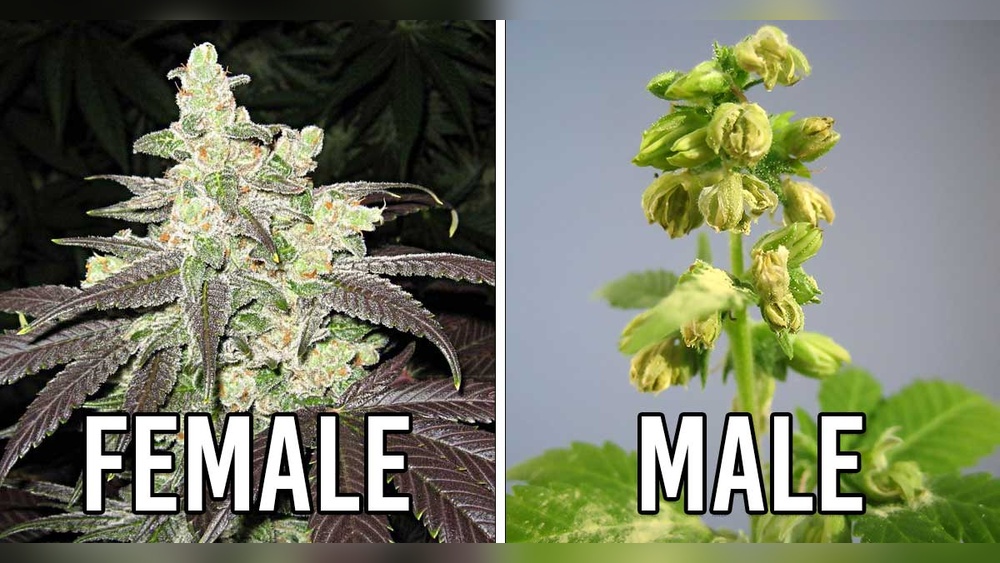
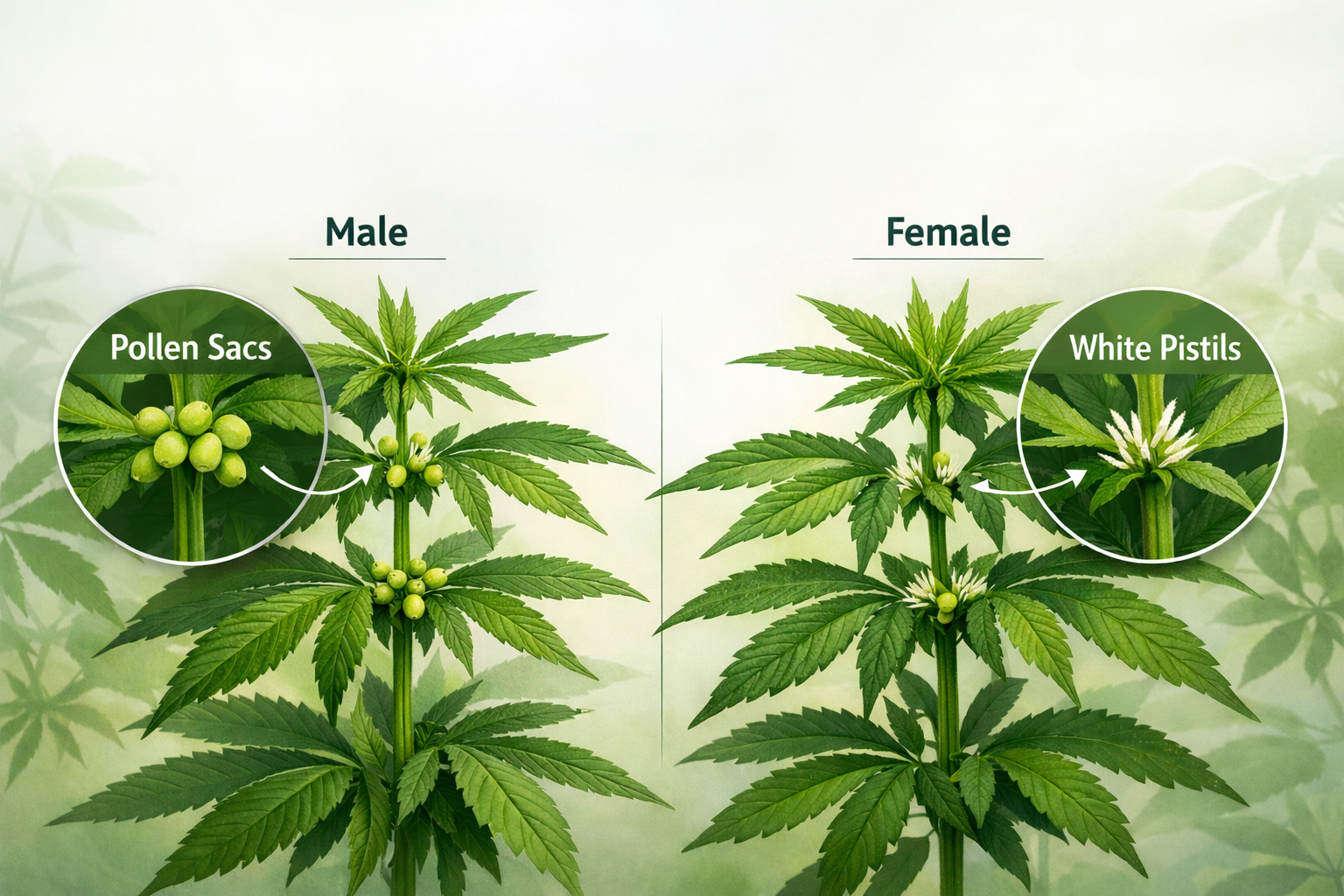
Cannabis is primarily a dioecious plant, meaning individual plants are either male or female. This separation of sexes is fundamental to understanding how seeds are produced. Male plants produce pollen, while female plants develop flowers (buds) capable of forming seeds if pollinated. In rare cases, cannabis can be monoecious, exhibiting both male and female organs on a single plant, but this is less common in cultivated varieties.
The Role Of Pollination
For a female cannabis plant to produce seeds, it must be pollinated by male pollen. Pollen is carried by wind, insects, or, in indoor environments, can be transferred by human activity. When pollen contacts the pistils of a female flower, fertilization occurs, and the plant diverts energy from resin and cannabinoid production into developing seeds.
The Importance Of Sinsemilla
Most modern cannabis cultivation aims to produce sinsemilla, female plants grown without male plants, resulting in seedless buds. This is because:
- Seedless buds have higher cannabinoid concentrations (especially THC and CBD).
- The absence of seeds improves the consumer experience.
- Growers can focus resources on resin rather than seed development.
Comparison Table: Male Vs. Female Cannabis Plants
| Trait | Male Plant | Female Plant |
|---|---|---|
| Primary Function | Produces pollen | Produces flowers/buds |
| Bud Production | No (minimal, non-psychoactive) | Yes (high in cannabinoids) |
| Seed Production | Only via pollen | Only when pollinated |
| Desirability for Growers | Breeding only | Consumption, breeding |
| Identification Time | 3-6 weeks from germination | 3-6 weeks from germination |
Can Female Pot Plants Produce Seeds Without Males?
Normal Conditions: No Seed Production
Under typical circumstances, a female cannabis plant will not produce seeds unless it receives pollen from a male. In controlled environments, such as indoor grows or greenhouses, growers remove male plants to prevent accidental pollination. This ensures that female plants channel their energy into producing potent, seedless buds.
The Exception: Hermaphroditism
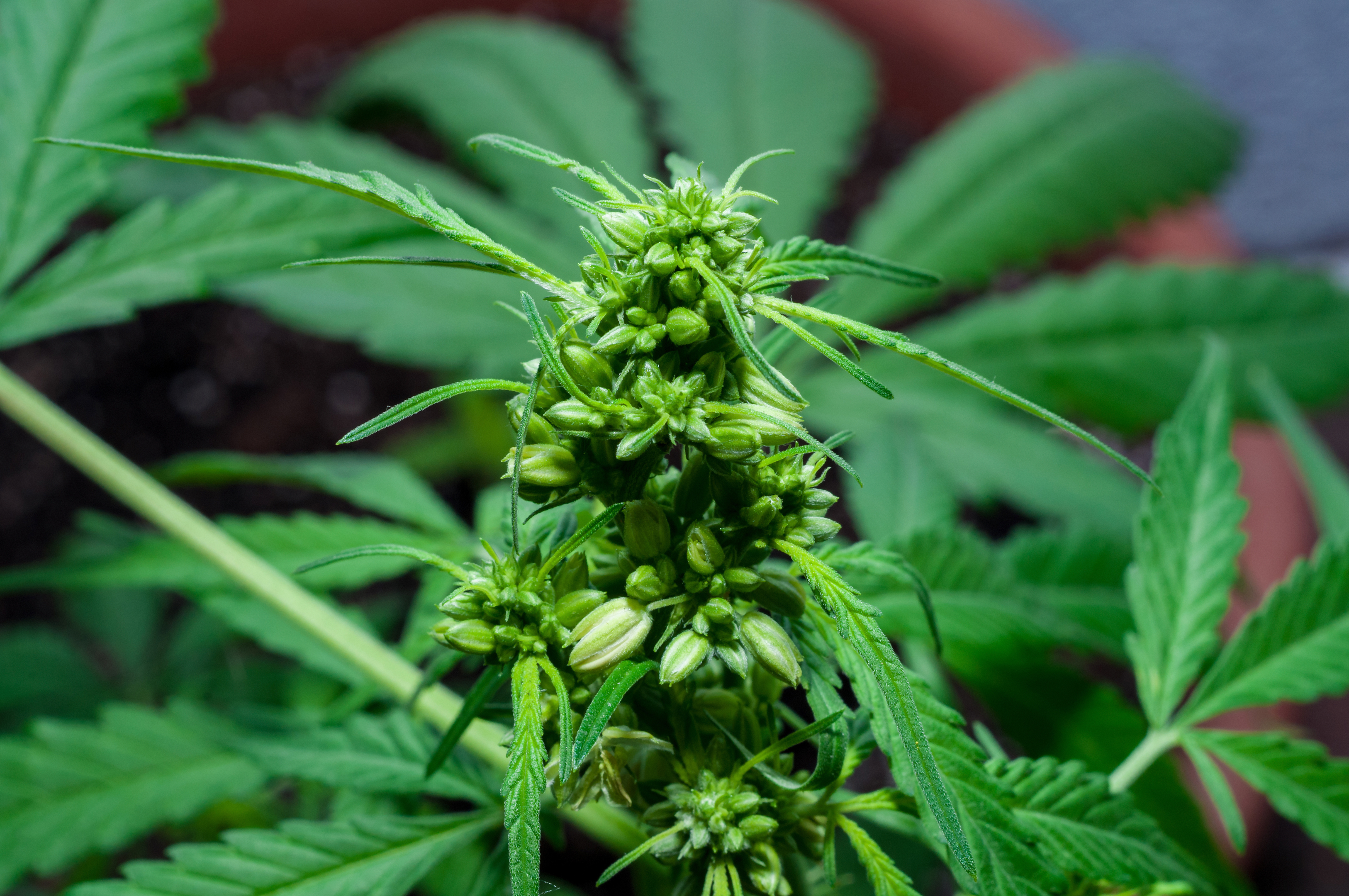
However, cannabis plants are adaptable. Under certain stress conditions or due to genetic predisposition, a female plant can develop male reproductive organs, a phenomenon known as hermaphroditism. This allows the plant to self-pollinate and produce seeds even in the absence of a male. While this is nature’s way of ensuring survival in harsh or isolated environments, it is generally undesirable for growers focused on high-quality, seedless cannabis.
Causes Of Hermaphroditism
Hermaphroditism can be triggered by:
- Environmental stress (light leaks, temperature swings, physical damage)
- Genetic factors (unstable genetics, especially in certain hybrids)
- Chemical stimuli (application of certain hormones or chemicals during breeding)
Table: Causes And Effects Of Hermaphroditism
| Cause | Effect on Plant | Impact on Seed Quality |
|---|---|---|
| Light stress | Possible development of male organs | Higher risk of “hermie” seeds |
| Genetic instability | Spontaneous hermaphroditism | Unstable, less desirable seeds |
| Physical injury | Stress-induced sex change | Variable seed viability |
| Hormonal manipulation | Controlled hermaphroditism | Used for feminized seeds |
Example: Accidental Hermaphroditism In Indoor Grows
A commercial indoor grow in Colorado reported a 5% hermaphroditism rate after an HVAC malfunction led to severe heat spikes during flowering. Despite removing visible male plants, several female plants developed pollen sacs and self-pollinated, resulting in seedy buds that were unsuitable for their premium flower line.
This underscores the importance of environmental control and genetic selection.
Credit: happyhydro.com
How Seeds Are Produced In Female Cannabis Plants
The Fertilization Process
When a female cannabis plant is exposed to pollen, fertilization begins. The pollen grain lands on the sticky pistil, travels down the style, and unites with the ovule, resulting in seed formation. The plant quickly redirects its energy from resin and cannabinoid production into the development of seeds, often at the expense of bud quality.
Seed Development Timeline
- Pollination: Occurs during early to mid-flowering.
- Seed initiation: Visible within 1-2 weeks post-pollination.
- Maturation: Seeds reach full maturity in 4-6 weeks, at which point they can be harvested.
Seeded Vs. Seedless Buds: Key Differences
Seeded cannabis buds are typically less desirable for consumers, as seeds burn poorly and reduce the overall cannabinoid content per gram of flower. However, for breeders, seeds are a valuable commodity, enabling the development of new strains or preservation of genetics.
| Characteristic | Seedless (Sinsemilla) | Seeded Buds |
|---|---|---|
| Potency | Higher | Lower |
| Flavor | More intense | Milder, sometimes harsh |
| Yield (Usable Bud) | Higher | Lower (weight lost to seeds) |
| Desirability | High for consumers | High for breeders |
| Seed Production | None | Yes |
Example: Breeding Feminized Seeds
Seed banks often create feminized seeds by inducing hermaphroditism in stable female plants using colloidal silver or silver thiosulfate. This causes the plant to produce pollen, which is then used to pollinate another female. Because both parents are genetically female, the resulting seeds are almost exclusively female, a valuable trait for growers who want to avoid male plants.

Credit: gtrseeds.com
Factors Influencing Seed Production In Female Pot Plants
Environmental Triggers
The environment plays a crucial role in whether a female plant might produce seeds. Key factors include:
- Light cycle disruptions: Interruptions in the dark cycle can stress plants and induce hermaphroditism.
- Temperature extremes: High or low temperatures, especially during flowering, can increase stress.
- Humidity fluctuations: Excessive humidity can cause mold, leading to stress responses.
Genetic Stability
Not all cannabis strains are equally prone to hermaphroditism. Stable, well-bred varieties have a lower risk, while some hybrids or poorly bred lines are more likely to develop both male and female organs under stress.
Grower Practices
Grower intervention can either prevent or encourage seed production:
- Removing male plants early: Prevents accidental pollination.
- Careful monitoring of environmental conditions: Reduces stress-induced hermaphroditism.
- Intentional pollination: Used for seed production and breeding projects.
Example: Outdoor Grower In Oregon
An outdoor grower in Oregon experienced unexpected seed production in a crop of what was believed to be all-female plants. Upon inspection, a single “hermie” plant was found, likely triggered by a late-season cold snap. This plant produced pollen and seeded several neighboring females, demonstrating how one hermaphroditic plant can impact an entire crop.
The Science Of Hermaphroditism And Self-pollination
Types Of Hermaphroditism In Cannabis
There are two primary types:
- True hermaphrodites: Plants that develop both male and female organs from the outset.
- Late-stage “nanners”: Female plants that produce small, banana-shaped pollen sacs (stamens) in response to stress during flowering.
Both types can result in self-pollination and seed production, but the seeds are often prone to the same hermaphroditic tendencies, making them less suitable for stable breeding.
Genetic Implications
Seeds produced via hermaphroditic self-pollination have a higher chance of carrying the same trait. This is undesirable for growers seeking stable, predictable crops, but can be exploited by breeders to create feminized seeds with careful selection and stress management.
Example: Feminized Seed Production For Home Growers
Some home growers intentionally induce hermaphroditism in their healthiest female plants to produce feminized seeds. In my experience, using colloidal silver spray on lower branches while keeping the rest of the plant untreated can yield a small quantity of feminized seeds without sacrificing the entire plant’s harvest.
Warning: Risks Of Hermaphroditic Seeds
While feminized seeds are popular, “hermie” seeds from accidental self-pollination are best avoided for future grows, as they are more likely to express hermaphroditic traits under stress, leading to unwanted seed production.
Benefits And Drawbacks Of Seed Production In Female Cannabis Plants
Benefits
- Genetic diversity: Seed production is crucial for breeding new strains and preserving genetics.
- Cost-effective propagation: Seeds are easy to store and transport compared to clones.
- Resilience: In nature, seed production ensures survival of the species in adverse conditions.
Drawbacks
- Reduced potency and yield: Seeded buds contain less THC and are less valuable to consumers.
- Unpredictable genetics: Seeds from accidental pollination may produce plants with undesirable traits.
- Risk of hermaphroditism: Seeds from self-pollinated hermaphrodites are prone to the same issue.
Table: Pros And Cons Of Seed Production
| Benefit | Drawback |
|---|---|
| Facilitates breeding | Reduces usable bud quality |
| Preserves genetic lines | Unstable genetics possible |
| Long-term storage | Requires additional labor |
| Enables strain innovation | Potential for unwanted pollination |
Example: Commercial Seed Production
Large-scale breeders, such as those supplying seeds to legal markets in Europe, use controlled pollination in isolated rooms to produce high-quality, genetically stable seeds. These facilities often test each parent plant for stability and cannabinoid content before incorporating them into breeding programs, as referenced in Wikipedia: Cannabis breeding.
Managing Seed Production: Best Practices For Growers
Preventing Unwanted Seeds
Growers seeking potent, seedless buds should:
- Identify and remove male plants as soon as they are detectable (usually at pre-flowering).
- Monitor for hermaphrodites throughout the flowering phase.
- Maintain strict environmental control to reduce plant stress.
- Clean tools and clothing when moving between different grow areas to prevent accidental pollen transfer.
Intentional Seed Production
For breeders or those seeking to preserve genetics:
- Select stable, healthy female plants for pollination.
- Isolate breeding plants from the main crop to prevent cross-pollination.
- Use controlled pollination methods, such as paintbrush transfer or enclosed breeding chambers.
Example: Home Breeder’s Isolation Tent
A home breeder in California constructed a small isolation tent within their grow room, using zippered access and HEPA-filtered ventilation to keep pollen contained. This allowed for targeted breeding while safeguarding the rest of the crop from accidental pollination.
Pro Tip:
When breeding for feminized seeds, always test a small batch before scaling up, as even minor environmental stress can lead to unintended hermaphroditism.
Real-world Case Studies: Seed Production Outcomes
Case Study 1: Accidental Seeds In Outdoor Crop
A community garden in Spain grew several dozen plants from feminized seeds. Unexpectedly, several plants produced seeds late in the season. Investigation revealed that a neighboring garden had a rogue male plant, and windborne pollen traveled over 100 meters. This highlights the challenges of outdoor growing in populated areas and the importance of community coordination among growers.
Case Study 2: Professional Breeder’s Feminized Seed Line
A legal cannabis breeder in Canada developed a new feminized line by selectively stressing robust female plants with colloidal silver. They reported a 99% female offspring rate, with only 1% exhibiting hermaphroditism, significantly lower than industry averages. This demonstrates the effectiveness of controlled breeding and the value of rigorous phenotypic selection.
Case Study 3: Indoor Crop Saved From Hermaphroditism
During a power outage in an indoor facility, backup systems failed, and temperatures soared for several hours. The grower immediately inspected all plants, removing any showing signs of hermaphroditism. By acting quickly, they prevented widespread seed production, salvaging the majority of their crop for premium flower.
Data Table: Seed Production Scenarios
| Scenario | Seed Outcome | Quality Impact |
|---|---|---|
| Outdoor crop, neighbor’s male plant | Widespread seeding | Lowered bud value |
| Feminized breeding with colloidal silver | Mostly female seeds | High for breeding |
| Indoor, environmental stress | Localized hermaphroditism | Mixed; early action mitigates loss |
The Role Of Seeds In Cannabis Breeding And Conservation
Breeding New Strains
Seed production is essential for breeders looking to develop new cannabis strains with unique cannabinoid profiles, flavors, and growth characteristics. By carefully selecting parent plants, breeders can combine desirable traits and stabilize them over several generations.
Genetic Preservation
Seeds are the primary method for preserving rare or heirloom cannabis genetics. Unlike clones, which are susceptible to disease and have a limited lifespan, seeds can be stored for years under proper conditions, ensuring long-term conservation of genetic diversity.
Commercial Vs. Home Breeding
While commercial breeders use advanced techniques and controlled environments, home growers can also produce seeds for personal use. However, they must be diligent about controlling pollination to avoid unwanted seeding of their main crop.
Example: Seed Banks
Reputable seed banks, such as those described in Royal Queen Seeds, invest significant resources in stabilizing genetics and producing high-quality seeds for the global market.
Frequently Asked Questions
Can A Female Cannabis Plant Produce Seeds Without Ever Being Exposed To Pollen?
No, under normal conditions, a female cannabis plant requires pollen from a male or hermaphroditic plant to produce seeds. However, in rare cases, stress or genetic factors can cause a female to develop male organs, resulting in self-pollination and seed production even if no male pollen is present.
Are Seeds From Hermaphroditic Plants Viable For Future Growing?
Seeds from hermaphroditic plants are generally viable but carry an increased risk of producing plants with hermaphroditic tendencies themselves. This can lead to further unwanted seed production in future crops, making them less desirable for growers seeking stable, seedless harvests.
How Can I Tell If My Female Plant Is Starting To Produce Seeds?
Early signs include swollen calyxes and visible brown or white seeds forming within the buds. You may also notice a decrease in resin production and a shift in the plant’s energy from flowering to seed development. Careful inspection during the flowering phase can help detect early seed formation.
Will Seeded Buds Affect The Taste Or Potency Of My Cannabis?
Yes, seeded buds typically have lower potency, as the plant diverts resources from cannabinoid and terpene production to seed development. Additionally, seeds can cause a harsh taste and uneven burning when smoking, making them less desirable for most consumers.
What Should I Do If I Find Seeds In My Supposedly Seedless Crop?
If you discover seeds in your buds, inspect your grow area for signs of hermaphroditic plants or accidental pollen exposure. Remove any plants showing male organs and improve environmental controls to reduce stress. For future grows, use stable genetics and monitor closely to prevent recurrence.
With a clear understanding of cannabis reproductive biology, growers can make informed decisions about seed production, ensuring optimal crop quality and genetic preservation. Whether your goal is potent, seedless buds or the next great hybrid, knowledge is the key to success in cannabis cultivation. For more on this, see our guide on Seeds & Bulbs.