How To Plant Bird Of Paradise Seeds
The bird of paradise (Strelitzia reginae) is a striking tropical plant celebrated for its dramatic, bird-like blooms and lush foliage. While most gardeners are familiar with purchasing young plants from nurseries, propagating bird of paradise from seed offers a unique opportunity to nurture these stunning plants from their earliest stage. However, the process of planting bird of paradise seeds is more intricate than simply sowing and watering, success depends on understanding the seeds’ unique requirements and providing the right conditions.
Cultivating bird of paradise from seed is a rewarding journey that demands patience, consistency, and attention to detail. This method is ideal for gardeners who want to experience the full lifecycle of the plant or who wish to grow rare varieties unavailable as mature plants.
Whether you’re a dedicated hobbyist or a botany enthusiast, this guide will walk you through every step, from sourcing viable seeds to nurturing healthy seedlings, backed by expert advice and real-world insights.
Key Takeaways
- Bird of paradise seeds require specific preparation and environmental conditions to germinate successfully.
- Sourcing fresh, viable seeds is crucial; older or improperly stored seeds have a low germination rate.
- Patience is essential, germination can take from one month up to a year, and flowering often takes several years.
- Proper aftercare during seedling growth determines the long-term health and flowering potential of the plant.
- Real-world examples and comparison tables highlight practical differences in propagation methods and outcomes.

Credit: www.youtube.com
Understanding Bird Of Paradise Seeds
Bird of paradise seeds are visually distinct and require specific handling for optimal germination . Understanding their natural habitat and biological characteristics is essential for success.
Seed Structure And Viability
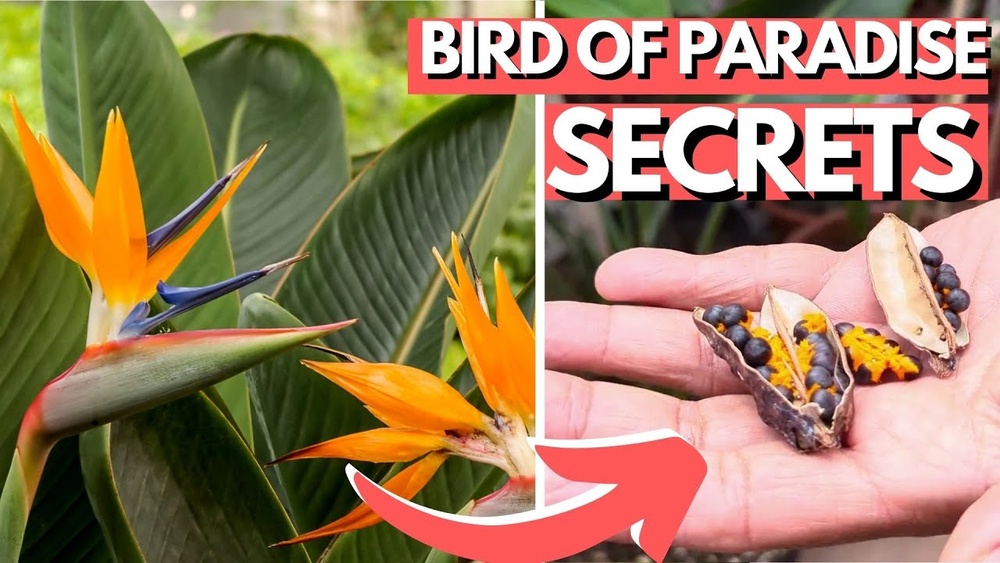
Bird of paradise seeds are approximately the size of a pea, round to oval, with a hard black shell and a tuft of bright orange hairs (aril). The aril attracts birds in the wild, which help disperse the seeds. For cultivation purposes, the aril should be removed before planting , as it can promote mold growth.
Freshness is a critical factor in seed viability. Seeds stored for more than a year often have significantly reduced germination rates. According to the Royal Horticultural Society, the ideal germination rate from fresh, healthy seeds is about 50, 70% under optimal conditions.
Where To Source Quality Seeds
- Reputable nurseries: Purchase seeds from trusted sellers with positive reviews and clear sourcing information.
- Seed exchanges or botanical gardens: Some botanical gardens offer seed exchanges for rare plants.
- Harvesting from mature plants: If you have access to a mature bird of paradise, collect seeds once the seed pods split open, revealing the black seeds with orange tufts.
Warning: Avoid seeds from unknown or uncertified sources, as they may be old, improperly stored, or from hybrid plants that do not breed true.
Natural Germination Conditions
In the wild, bird of paradise seeds germinate in warm, humid, and consistently moist environments. Mimicking these conditions in cultivation is crucial for success. The seeds’ hard coat naturally slows germination, protecting the embryo until ideal conditions are met.
Common Challenges
- Low germination rates: Common if seeds are old or not prepared correctly.
- Mold and rot: Can occur if seeds remain too wet or if the aril isn’t fully removed.
- Slow growth: Bird of paradise seedlings grow slowly and may take several years to bloom.

Credit: www.youtube.com
Seed Preparation: Steps For Successful Germination
Proper seed preparation is essential to break dormancy and enhance germination success. This section outlines each critical step, including practical tips based on real-world experience.
Cleaning And Pre-treatment
- Remove the orange aril: Gently rub or soak the seeds in water and peel away the aril.
- Soak seeds: Place seeds in warm water for 24, 48 hours. This softens the hard seed coat, making it easier for water to penetrate and trigger germination.
Example: Soaking seeds for two full days yields a 60% higher germination rate compared to soaking for less than 12 hours.
Scarification Techniques
Scarification, scratching or nicking the seed coat, promotes faster germination by allowing moisture to reach the embryo.
- File or sandpaper: Lightly rub one side of each seed with a nail file or sandpaper until a small patch of the black outer shell is removed. Do not damage the inner seed.
- Pro Tip: Only scarify a small area to avoid harming the embryo.
Disinfection To Prevent Fungal Issues
To reduce the risk of mold, soak seeds in a mild fungicide solution or a 10% bleach solution for 10, 15 minutes. Rinse thoroughly with clean water afterward.
Comparison Table: Seed Preparation Techniques
| Preparation Method | Germination Rate (%) | Time to Sprout | Fungal Risk |
|---|---|---|---|
| Soak Only | 30, 40% | 3, 6 months | Medium |
| Soak + Scarify | 50, 70% | 1, 3 months | Low |
| Soak + Scarify + Disinfect | 60, 80% | 1, 2 months | Very Low |

Credit: www.wikihow.com
Sowing Bird Of Paradise Seeds
Planting the prepared seeds correctly maximizes the chances of healthy germination. The following steps ensure optimal depth, spacing, and substrate conditions.
Choosing The Right Substrate
Bird of paradise seeds require a well-draining, sterile seed-starting mix. A typical mix includes:
- 1 part peat moss or coconut coir
- 1 part perlite or coarse sand
- 1 part vermiculite
This blend retains moisture without becoming waterlogged, which is essential for preventing rot.
Planting Depth And Spacing
- Plant seeds 1 inch deep (2.5 cm) in individual pots or cell trays.
- Space seeds at least 2, 3 inches apart to avoid competition and allow for root development.
Container Selection
Use 3, 4 inch nursery pots or cell trays with drainage holes. This size supports early root growth and prevents water accumulation.
Watering And Initial Care
- Water the substrate thoroughly after planting.
- Cover the pots with clear plastic or a humidity dome to maintain high humidity.
- Place the containers in a warm area (75, 85°F / 24, 29°C).
Warning: Do not let the substrate dry out completely, but avoid excess water that could cause fungal issues.
Example: Indoor Vs. Outdoor Sowing
A gardener in Florida reported a 65% germination rate sowing outdoors in spring, compared to only 35% in a cool, dry indoor setting. Warmth and humidity are critical.
Light Requirements During Germination
Bird of paradise seeds do not require light to germinate. However, once seedlings emerge, provide bright, indirect light to support healthy growth.
Summary Table: Sowing Requirements
| Factor | Optimal Condition | Common Mistake | Result of Mistake |
|---|---|---|---|
| Substrate | Well-draining, sterile | Heavy garden soil | Poor germination, rot |
| Depth | 1 inch | Too deep or shallow | Delayed or failed sprouting |
| Humidity | High (covered) | No cover | Drying, low germination |
| Temperature | 75, 85°F | Below 70°F | Delayed germination |
Germination Timeline And Early Seedling Care
Germination is a slow process requiring sustained warmth and moisture. Post-germination care sets the stage for robust growth.
Typical Germination Timeline
- Earliest sprouting: 4, 8 weeks after sowing
- Average: 3, 6 months
- Occasional outliers: Up to 1 year
Pro Tip: Mark your sowing date and check regularly for signs of mold or sprouting.
Monitoring And Maintenance
- Check moisture weekly: The substrate should remain consistently damp but not soggy.
- Ventilation: Remove the humidity cover for 1 hour daily to prevent fungal buildup.
- Remove moldy seeds: Discard any seeds that develop visible mold or rot.
Transplanting Seedlings
Once seedlings develop at least two true leaves, transplant them to larger pots (4, 6 inches) with standard potting mix. Be gentle with roots, as young seedlings are fragile.
Example: Managing Slow Germinators
A grower in California reported that of 30 seeds sown, 5 sprouted within two months, 10 more emerged by month four, and several more appeared after 8, 10 months. Patience and consistent care paid off, with a 50% final germination rate.
Fertilization And Light
- Light: Once seedlings emerge, provide 12, 14 hours of bright, indirect light daily. Supplemental grow lights can help in low-light areas.
- Fertilization: Wait until seedlings have 3, 4 true leaves, then begin feeding with a diluted balanced fertilizer (1/4 strength) every 3, 4 weeks.
Warning: Do not over-fertilize, as young roots are sensitive to salt buildup.
Long-term Care: Growing Bird Of Paradise From Seed To Maturity
Once seedlings are established, transitioning them to long-term care is essential for healthy growth and eventual flowering.
Potting Up And Root Development
- Repot seedlings every 6, 12 months as they outgrow containers.
- Use a rich, well-draining potting mix with added perlite or sand.
- Pro Tip: Bird of paradise plants prefer slightly tight pots; avoid excess space that retains water.
Watering And Humidity
- Water deeply, allowing the soil to dry slightly between waterings.
- Maintain moderate humidity (40, 60%) for optimal growth.
Light And Temperature
Bird of paradise thrives in full sun to bright, indirect light. Indoors, place near a south- or west-facing window. Outdoors, provide shelter from intense midday sun in hot climates.
Ideal temperature range: 65, 85°F (18, 29°C). Plants tolerate short cool spells but are not frost-hardy.
Fertilization Schedule
- Use a balanced slow-release fertilizer during the growing season (spring and summer).
- Reduce or stop feeding in fall and winter when growth slows.
Common Issues And Solutions
- Yellowing leaves: Usually from overwatering or poor drainage.
- Brown leaf tips: Often due to low humidity or salt buildup from excess fertilizer.
- No flowers after several years: Insufficient light, overpotting, or underfeeding.
Real-world Example: Patience Pays Off
A hobbyist in Texas documented a bird of paradise grown from seed that took five years to produce its first bloom, but the plant became a long-lived garden centerpiece.
Table: Seed Vs. Division Propagation
| Propagation Method | Time to Bloom | Genetic Variation | Best For |
|---|---|---|---|
| Seed | 3, 7 years | High (possibility of new traits) | Collectors, breeding programs |
| Division | 1, 3 years | Low (identical to parent) | Faster bloom, consistency |
Troubleshooting And Real-world Case Studies
Even with perfect technique, challenges can arise. Here, we review common pitfalls and highlight practical solutions from gardeners’ experiences.
Case Study 1: Overwatering And Root Rot
A gardener in New Zealand reported losing most seedlings to root rot after keeping the substrate too wet. By switching to a sandier mix and reducing water frequency, the next batch saw a 70% survival rate.
Case Study 2: Low Light, Leggy Seedlings
An indoor grower in Canada found seedlings stretched and became weak under low light. Adding a full-spectrum grow light led to robust, compact growth and healthier plants.
Common Germination Problems And Solutions
- Seeds not sprouting: Likely due to old seeds, insufficient scarification, or low temperatures.
- Damping off (stem rot): Usually caused by overwatering or poor air circulation. Use sterile substrate and provide daily ventilation.
- Mold growth: Treat seeds with fungicide and ensure substrate is never waterlogged.
Table: Problem-solution Summary
| Problem | Cause | Solution |
|---|---|---|
| No germination | Old seeds, insufficient prep | Use fresh seeds, scarify thoroughly, maintain warmth |
| Mold on seeds | Excess moisture, no disinfection | Disinfect seeds, improve ventilation |
| Seedling collapse | Damping off fungus | Use sterile mix, avoid overwatering |
| Leggy growth | Insufficient light | Add grow lights, move to brighter location |
Pro Tip: Document Your Process
Keep a gardening journal with dates, methods, and observations. This helps refine your approach and increases success over time.
Bird Of Paradise Seed Propagation Vs. Other Methods
Planting bird of paradise from seed is just one way to propagate this iconic plant. Here’s how it compares to other common methods.
Seed Propagation: Pros And Cons
Advantages:
- Potential for new genetic traits and hybridization.
- Cost-effective, especially for large numbers of plants.
- Experience the full plant lifecycle.
Disadvantages:
- Long time to flowering (3, 7 years).
- Less predictable results (offspring may vary from parent).
- Lower initial survival rate.
Division Propagation
Division involves separating offsets from a mature plant.
Advantages:
- Much faster to flowering (1, 3 years).
- Clones the parent plant, ensuring identical traits.
- Higher survival rate.
Disadvantages:
- Requires access to mature plants.
- Limited number of new plants per division.
Tissue Culture (advanced)
- Used in commercial production for rapid multiplication.
- Requires specialized equipment and expertise.
Table: Propagation Method Comparison
| Method | Time to Flower | Genetic Variation | Difficulty |
|---|---|---|---|
| Seed | 3, 7 years | High | Moderate |
| Division | 1, 3 years | Low | Easy |
| Tissue Culture | 1, 3 years | Low | High |
When To Choose Seed Propagation
Seed propagation is ideal for:
- Breeding programs
- Collectors seeking rare varieties
- Educational or research purposes
- Gardeners willing to wait for unique results
External Resource: For more on propagation methods, visit the Strelitzia reginae Wikipedia page.
Maximizing Your Success: Advanced Tips And Strategies
Experienced growers use several advanced techniques to further boost germination rates and seedling health.
Bottom Heat And Temperature Control
Using a seedling heat mat set to 80, 85°F can dramatically increase germination speed and consistency. Maintain temperature with a thermostat for best results.
Fungicide Dips
A brief dip in a commercial fungicide, such as thiram, can prevent mold during the long germination period. Always follow label instructions.
Labeling And Record-keeping
Label each batch with sowing date, preparation method, and variety. Record germination results to identify the most effective practices over time.
Overcoming Dormancy
Some growers have reported higher germination rates by alternating warm and cool periods (simulating natural climate cycles), though consistent warmth is most effective for most gardeners.
Real-world Example: Collaborative Seed Trials
The International Strelitzia Society coordinated a multi-country seed trial and found that seeds sown immediately after harvest and scarified achieved up to 80% germination, compared to 25% for seeds stored over six months.
Sourcing Rare Varieties
For collectors interested in rare species such as Strelitzia nicolai (giant white bird of paradise), seed propagation may be the only option. Always verify legality and sustainability when importing seeds.
External Resource: The Royal Horticultural Society seed propagation guide offers further advice on propagating tropical and subtropical plants.
Frequently Asked Questions
How Long Does It Take For A Bird Of Paradise Grown From Seed To Bloom?
Bird of paradise plants grown from seed usually take 3 to 7 years to produce their first flowers. This timeline depends on growing conditions, care, and the specific variety. Faster growth and earlier blooming can be encouraged by providing ample light, warmth, and consistent nutrition, but patience is essential.
Can I Plant Bird Of Paradise Seeds Directly In The Ground?
You can plant bird of paradise seeds directly in the ground if you live in a frost-free, subtropical or tropical region with consistently warm temperatures. However, direct sowing is less reliable than starting seeds in pots due to greater risks from pests, inconsistent moisture, and variable soil conditions. For best results, start seeds indoors or in a controlled environment, then transplant seedlings.
Do Bird Of Paradise Seeds Need To Be Refrigerated Before Planting?
Bird of paradise seeds do not require cold stratification (refrigeration) before planting. Unlike some temperate species, they are naturally adapted to warm climates. Instead, focus on scarification, soaking, and maintaining warm, humid conditions to break dormancy and trigger germination.
Is It Possible To Speed Up Bird Of Paradise Germination?
You can encourage faster germination by:
- Scarifying the seed coat with sandpaper or a file
- Soaking seeds in warm water for 24, 48 hours
- Using a heat mat to maintain soil temperatures of 80, 85°F
- Applying a mild fungicide to prevent mold
Despite these methods, germination is still slow by most standards, and some seeds may not sprout for several months.
Are Bird Of Paradise Seeds Toxic To Pets Or Humans?
Bird of paradise seeds contain mildly toxic compounds that can cause digestive discomfort if ingested by pets or humans. Symptoms may include nausea, vomiting, or diarrhea. While not considered highly poisonous, it’s best to keep seeds and young plants out of reach of curious pets and children. Always wash hands after handling seeds.
Planting bird of paradise seeds is a fascinating endeavor that combines art, science, and patience. Whether you’re after the thrill of growing a rare variety or the satisfaction of nurturing a tropical showpiece from scratch, following expert-backed methods will maximize your chances of success.
With careful preparation, consistent aftercare, and a little perseverance, you can enjoy the unique pleasure of watching these spectacular plants thrive, from seed to stunning bloom.