
Earthworms are among the most fascinating and ecologically important creatures in the soil ecosystem. Their quiet, hidden lives contribute significantly to soil fertility, structure, and nutrient cycling, yet many mysteries remain about their feeding habits. One particularly intriguing question is whether earthworms truly eat soil or just use it as a medium to extract nutrients.
Answering this question not only satisfies scientific curiosity but also informs sustainable agriculture, composting, and soil management practices.
Understanding how to determine if an earthworm eats soil requires delving into their biology, behavior, and the scientific methods used to study their diet. This exploration uncovers the intricate relationship between earthworms and the earth itself. By integrating research findings, experimental approaches, and practical observations, we can shed light on this critical aspect of soil ecology—empowering educators, gardeners, researchers, and policymakers alike.
Key Takeaways
- Earthworms ingest soil to extract nutrients but do not digest soil itself as food.
- Several scientific methods—from gut content analysis to tracer experiments—can confirm whether earthworms eat soil.
- Real-world experiments and data-driven comparisons support the role of soil ingestion in earthworm nutrition.
- Understanding earthworm feeding is vital for soil health, sustainable agriculture, and composting success.
- Earthworm species, soil type, and environmental conditions influence the extent of soil ingestion.

Credit: extension.umd.edu
The Biology Of Earthworm Feeding
Anatomy And Digestive Process
Earthworms, primarily from the family Lumbricidae, possess a streamlined digestive system adapted to process organic material within soil. The mouth is located at the anterior end, leading to a muscular pharynx that draws in soil and decaying organic matter. The ingested material passes through the crop (storage area), then the gizzard, where muscular contractions grind the mixture. This process exposes organic particles and microorganisms, which are then digested in the intestine. The remaining indigestible mineral content is expelled as castings.
Within the intestine, a combination of enzymatic secretions and symbiotic microorganisms breaks down complex organic molecules. The gut wall is lined with cells that absorb soluble nutrients, including amino acids, sugars, and minerals, allowing earthworms to extract what they need from the mixture.
The efficiency of this process is enhanced by mucus secreted by the worm, which helps bind soil particles and organic matter, facilitating grinding and digestion.
It is important to note that the gizzard plays a crucial role in physically breaking down soil particles, much like a bird’s gizzard grinds seeds. This grinding action not only helps to fragment organic matter but also exposes more surface area for microbial decomposition, both inside the gut and after the material is expelled as castings.
This symbiotic relationship between earthworms and gut microbes is essential for the decomposition of otherwise recalcitrant plant materials, such as cellulose and lignin.
The Role Of Soil In Earthworm Diet
Earthworms are not strict soil eaters in the sense of extracting nutrition from minerals. Instead, they ingest soil to access organic matter and microorganisms embedded within. According to a study by the University of Illinois Extension, earthworms may ingest their own body weight in soil daily, extracting nutrients as material passes through their gut (University of Illinois Extension).
The importance of soil ingestion lies in the fact that much of the available nutrition in a typical terrestrial environment is contained within the thin films of decomposing organic matter coating mineral soil particles. As earthworms consume soil, they are essentially “filter-feeding” the rich microbial and detrital content, rather than deriving direct sustenance from the sand, silt, or clay minerals themselves.
Soil also provides a moist, buffered environment for digestion, helping to prevent desiccation and maintain suitable pH and ionic conditions for the worm’s physiological processes.
Recent research has highlighted the role of earthworm-associated gut microbiota in further breaking down recalcitrant organic compounds. As soil passes through the worm’s digestive tract, these symbiotic bacteria and fungi help release additional nutrients, particularly nitrogen and phosphorus, which are then absorbed by the worm or made available to plants via castings.
Earthworm Species And Feeding Strategies
Different earthworm species display distinct feeding behaviors:
- Epigeic species (e.g., Eisenia fetida) primarily consume leaf litter and organic matter on the soil surface.
- Endogeic species (e.g., Aporrectodea caliginosa) ingest soil rich in organic particles within the topsoil.
- Anecic species (e.g., Lumbricus terrestris) create vertical burrows and pull organic debris into the soil, ingesting a mix of soil and litter.
This diversity influences how and why earthworms ingest soil, impacting their role in soil ecosystems.
Epigeic worms, which inhabit the organic-rich litter layer, have a diet that is almost exclusively composed of decomposing plant material, fungi, and associated microorganisms. Their digestive systems are adapted for rapid processing of organic matter, and they seldom consume large quantities of mineral soil.
In contrast, endogeic worms live deeper within the mineral soil horizons and are adapted to a diet consisting of soil with lower organic content. They ingest significant amounts of mineral particles, extracting the sparse organic matter and microbial biomass present.
Anecic worms, such as Lumbricus terrestris, bridge the gap between these two extremes. By dragging surface litter into their burrows and mixing it with soil, they facilitate decomposition and nutrient cycling at multiple soil depths. This behavioral diversity among earthworms is a key reason for their profound influence on soil ecology, as each group contributes uniquely to soil structure, fertility, and biological activity.
Methods To Determine If Earthworms Eat Soil
Gut Content Analysis
One of the most direct ways to determine if earthworms eat soil is by examining their gut contents under a microscope. By dissecting specimens and analyzing the material within their digestive tract, researchers can identify:
- Mineral particles (sand, silt, clay)
- Organic matter (decomposed plant and animal material)
- Microorganisms (bacteria, fungi, protozoa)
Studies, such as those published in the journal Pedobiologia, consistently find mineral particles in the guts of endogeic and anecic earthworms, confirming soil ingestion (ScienceDirect).
Advanced microscopic techniques, including scanning electron microscopy (SEM), allow for detailed examination of gut content composition. Researchers can even estimate the ratio of organic to inorganic particles and identify changes in gut content along the length of the digestive tract.
This can provide insights into how efficiently earthworms extract nutrients at different digestive stages.
Additionally, chemical analyses of gut contents can reveal the presence of specific nutrients, such as nitrate, ammonium, and soluble phosphorus, allowing scientists to track nutrient transformations during digestion. By comparing the composition of ingested soil with that of the expelled castings, it is possible to quantify the extent of organic matter decomposition and mineral transformation facilitated by the earthworm’s gut.
Tracer Experiments
Researchers have developed ingenious experiments using tracers to monitor soil ingestion:
- Stable isotopes (e.g., 15N, 13C) are added to soil or organic matter. Subsequent detection in earthworm tissues indicates ingestion.
- Colored particles (e.g., colored sand or beads) are mixed with soil. If these appear in earthworm casts, soil ingestion is confirmed.
Such controlled experiments offer quantitative data on how much soil is ingested relative to organic matter.
Tracer experiments are particularly powerful because they allow for the direct measurement of material flow through earthworm populations in real time. For example, by labeling soil particles with a rare isotope or a fluorescent dye, researchers can track the movement of these markers from soil into earthworm tissue and then into castings, providing a clear picture of soil ingestion dynamics.
These experiments have shown that earthworms are capable of selectively ingesting soil particles of specific sizes or organic matter content, depending on their nutritional needs and environmental conditions. For instance, when organic matter is scarce, some species increase their intake of mineral soil to maximize the extraction of whatever nutrients remain.
Observation Of Castings
Earthworm castings—the fecal material expelled at the soil surface—provide clues to their diet. By collecting and analyzing castings, scientists can compare the composition of:
- Soil before ingestion
- Material after passage through the worm
If mineral and organic content is similar, it suggests direct soil ingestion. Differences in organic matter may indicate selective digestion or microbial action.
The appearance, texture, and chemical composition of castings can also reveal information about earthworm diet. Castings are typically more finely aggregated and have higher concentrations of plant-available nutrients than the surrounding soil. Their dark color and crumbly texture are indicators of enhanced organic matter decomposition and microbial activity.
In long-term field studies, scientists have correlated the abundance of earthworm castings with improvements in crop yields and soil fertility. By mapping casting distribution and quantifying their nutrient content, researchers can estimate the contribution of earthworm activity to overall soil productivity.
Dna Metabarcoding
Advances in molecular biology now allow for DNA metabarcoding of gut contents. By sequencing DNA from ingested material, researchers can identify:
- Plant species
- Microorganisms
- Animal detritus
This technique distinguishes between soil-derived and surface-derived food sources, offering high-resolution insights into earthworm diets.
DNA metabarcoding is revolutionizing the study of soil ecology by enabling the identification of thousands of species within a single earthworm gut sample. This method not only confirms the ingestion of soil and organic matter but also reveals detailed information about the biodiversity of food sources utilized by different earthworm species.
It is especially valuable for uncovering the role of earthworms in spreading or controlling soil pathogens, as well as their impact on the decomposition of specific plant residues.
Moreover, DNA metabarcoding can be used to monitor changes in earthworm diet in response to environmental changes or agricultural practices, allowing for more precise management of soil ecosystems.

Credit: www.naturewatch.ca
Real-world Examples And Case Studies
Case Study 1: Comparing Epigeic And Endogeic Earthworms
A study published in Applied Soil Ecology compared the gut contents of Eisenia fetida (epigeic) and Aporrectodea caliginosa (endogeic). Results showed:
- Eisenia fetida had fewer mineral particles and more organic debris.
- Aporrectodea caliginosa had significant quantities of silt and clay in their gut.
This confirmed that endogeic species ingest more soil as part of their feeding strategy (Applied Soil Ecology).
The study also found that the enzymatic activity in the gut differed between the two species, with endogeic worms exhibiting higher cellulase and protease activities, reflecting their adaptation to digesting the more refractory organic matter present in mineral soil. These physiological differences help explain why certain species are more effective at processing different soil types and organic residues.
Case Study 2: Tracer Experiment With Labeled Isotopes
Researchers at the Rothamsted Research Station applied 15N-labeled plant material to soil. After allowing Lumbricus terrestris to feed, the isotope was detected in their tissues, demonstrating ingestion of both soil and associated organic matter (Rothamsted Research).
Further analysis revealed that the labeled nitrogen was not only present in earthworm tissues but also in their castings and the surrounding soil, indicating the earthworms’ role in redistributing nutrients vertically and horizontally within the soil profile. This process enhances the availability of nitrogen for crop uptake and can reduce the need for synthetic fertilizers.
Case Study 3: Field Observation Of Castings
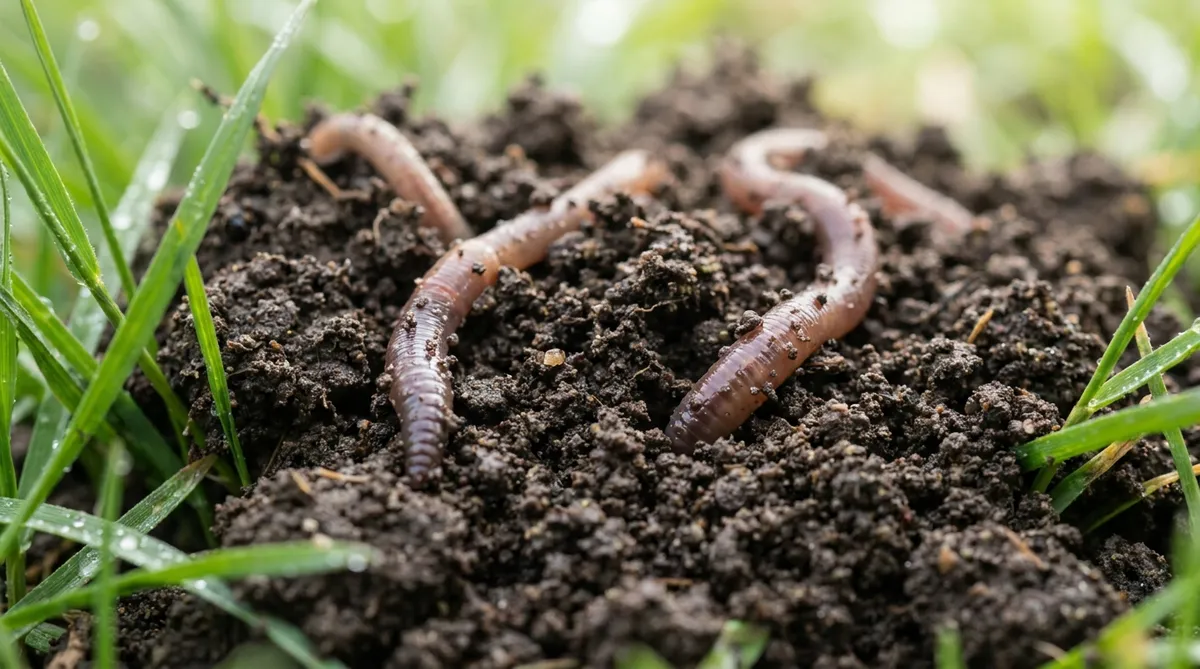
Farmers and gardeners often observe earthworm castings at the soil surface. A comparative analysis in New Zealand pastures found that casting rates increased with organic matter content. However, mineral content in castings matched that of the underlying soil, confirming soil ingestion as part of routine feeding.
In addition, the study showed that pastures with higher earthworm populations had greater rates of soil aeration, improved water infiltration, and reduced surface runoff. These benefits were directly linked to the increased abundance and distribution of castings, highlighting the practical importance of earthworm activity for sustainable land management.
Credit: got-moles.com
Experimental Approaches For Educators And Gardeners
Designing A Simple Soil Ingestion Experiment
Anyone can test whether earthworms eat soil using a controlled, observable method:
- Prepare two containers: One with pure organic matter (e.g., leaf litter), one with a mix of soil and organic matter.
- Introduce equal numbers of earthworms to each container.
- Over 2-4 weeks, observe the appearance and composition of castings.
- Use a magnifying glass to check for mineral particles in the castings from the mixed soil container.
This hands-on experiment can be adapted for classrooms, community gardens, or science fairs.
For more detailed observation, participants can weigh the containers before and after the experiment to estimate the amount of material processed by the earthworms. Recording the moisture content and temperature can also help correlate environmental conditions with earthworm activity levels.
Educators can encourage students to make predictions and analyze results, fostering critical thinking and scientific inquiry.
Using Non-toxic Colored Soil Markers
Incorporating non-toxic colored sand or food-safe dyes in soil allows for easy visual tracking. If colored material appears in earthworm castings, soil ingestion is confirmed.
This method can be expanded by using different colors to represent different soil layers or types of organic matter, allowing for the observation of selective feeding behavior. For example, by layering soils of different colors and observing which colors appear in castings, one can infer earthworm burrowing patterns and preferences for certain soil horizons.
Measuring Changes In Soil Structure
Over time, earthworm activity can alter soil texture. By measuring the distribution of soil particle sizes before and after earthworm introduction, one can infer soil ingestion and mixing.
Additional observations might include measuring soil compaction, moisture retention, and root penetration before and after earthworm activity. These physical changes are strong indicators of earthworm-driven improvements in soil health and structure.
| Test Condition | Organic Matter Only | Soil + Organic Matter |
|---|---|---|
| Number of Castings (per week) | 20 | 45 |
| Presence of Mineral Particles in Castings | No | Yes |
| Change in Soil Structure | Minimal | Noticeable Mixing |
The Ecological Impact Of Soil Ingestion
Nutrient Cycling And Soil Fertility
When earthworms ingest soil, they play a pivotal role in nutrient cycling. As they break down organic matter and mix it with mineral soil, nutrients like nitrogen, phosphorus, and potassium become more available to plants. Earthworm casts are often richer in available nutrients than surrounding soil (Wikipedia: Earthworm).
Numerous studies have shown that the presence of earthworms can increase the availability of both macro- and micronutrients in agricultural soils. For example, earthworm casts may contain up to five times more available nitrogen, seven times more available phosphorus, and eleven times more available potassium than the surrounding soil.
These increases are due to the combined effects of physical breakdown, microbial activity, and chemical transformation during gut passage.
Soil Structure Improvement
Soil ingestion and casting improve soil aggregation, porosity, and water retention. This enhances root growth and reduces erosion, especially in agricultural settings.
By ingesting and excreting soil, earthworms create stable aggregates that resist compaction and promote aeration. This is especially important in heavy clay soils, where earthworm activity can dramatically reduce surface crusting and improve water infiltration rates. Well-aggregated soil supports a diverse and active soil biota, further enhancing soil health and fertility.
Influence On Microbial Activity
Earthworm guts host a unique community of microorganisms that further decompose organic matter. Soil ingestion introduces new microbes and substrates, boosting overall microbial activity in the soil ecosystem.
The mucus secreted by earthworms during feeding provides a readily available energy source for soil microbes, stimulating their growth and activity. This synergistic relationship accelerates the decomposition of organic matter and the release of plant-available nutrients. In addition, the passage of soil through the earthworm gut can suppress certain plant pathogens by promoting beneficial microbial communities.
Impact On Carbon Sequestration
By ingesting and excreting soil, earthworms help stabilize soil organic carbon, contributing to long-term carbon storage and climate change mitigation.
Earthworm activity promotes the formation of stable soil aggregates that physically protect organic matter from decomposition. This process, known as “humification,” is a key mechanism for sequestering carbon in soils. Long-term studies have shown that soils with abundant earthworm populations accumulate more organic carbon and are less prone to losses from erosion or mineralization.
Data-driven Comparisons: Soil Vs. Organic Matter Ingestion
To better understand earthworm feeding habits, researchers have quantified the proportion of soil vs. organic matter in their diet.
| Earthworm Species | % Soil in Gut Content | % Organic Matter | Feeding Category |
|---|---|---|---|
| Lumbricus terrestris | 60% | 40% | Anecic |
| Aporrectodea caliginosa | 70% | 30% | Endogeic |
| Eisenia fetida | 10% | 90% | Epigeic |
These data highlight the significant variation in soil ingestion among species, with endogeic worms ingesting the most soil, followed by anecic, and then epigeic species.
Additional studies have shown that these proportions can vary seasonally and with the availability of organic matter. For instance, during periods of low litter input, even epigeic species may increase their ingestion of mineral soil to meet their nutritional needs.
Similarly, soil type and agricultural management practices can shift the balance between soil and organic matter in earthworm diets.
Factors Affecting Earthworm Soil Ingestion
Soil Type And Texture
- Clay-rich soils may discourage ingestion due to difficulty in processing.
- Loamy soils with high organic matter are preferred by most earthworm species.
Soil pH, structure, and mineral composition all influence the palatability and digestibility of soil for earthworms. Sandy soils, while easier to ingest, may lack sufficient organic matter, whereas heavy clays can impede movement and digestion.
Organic Matter Availability
Abundant leaf litter or manure reduces reliance on mineral soil, especially for epigeic worms.
In agroecosystems, the addition of crop residues, green manures, or compost can boost earthworm populations and shift their feeding behavior toward greater consumption of organic matter, reducing the proportion of mineral soil ingested.
Moisture And Ph
Earthworms avoid extremely dry or acidic soils, as ingestion and digestion become inefficient.
Soil moisture is critical for earthworm mobility and physiological processes. Optimal moisture levels range from 20% to 35% by weight, depending on species. Acidic soils can harm earthworm skin and gut lining, reducing feeding rates and survival.
Seasonal And Environmental Factors
During dry or cold periods, earthworm activity—and soil ingestion—declines markedly. Conversely, activity peaks in moist, temperate conditions.
Earthworms are most active during spring and fall in temperate regions, coinciding with moderate temperatures and moisture levels. Extreme heat, cold, or drought triggers aestivation or hibernation, during which earthworms reduce feeding and burrow deeper into the soil profile.
Human And Agricultural Practices
Tillage, chemical use, and compaction can alter soil structure, affecting earthworm populations and their feeding behavior (USDA NRCS).
Heavy tillage disrupts earthworm burrows, exposes worms to predators, and reduces organic matter inputs. Pesticides and synthetic fertilizers may harm earthworm populations directly or indirectly by altering soil microbial communities. Practices such as reduced tillage, cover cropping, and organic amendments are beneficial for maintaining healthy earthworm populations and promoting optimal feeding behavior.
Practical Applications: Why It Matters If Earthworms Eat Soil
Sustainable Agriculture
Understanding soil ingestion helps farmers:
- Optimize organic amendments (manure, compost) for earthworm health.
- Minimize harmful practices that reduce soil biota.
- Improve crop yields through enhanced soil fertility.
Farmers can use earthworm presence and activity as bioindicators of soil health, adjusting management practices to foster beneficial soil conditions. For example, rotating crops, maintaining ground cover, and adding diverse organic amendments can enhance earthworm diversity and activity.
Vermicomposting And Waste Management
In vermicomposting systems, selecting the right earthworm species (e.g., Eisenia fetida) maximizes organic waste breakdown. Soil ingestion data helps fine-tune bedding and feedstock choices.
By understanding the feeding strategies of different earthworm species, compost managers can design more effective systems that optimize decomposition rates, nutrient retention, and pathogen suppression. Monitoring worm health and casting quality provides real-time feedback on the success of the system.
Soil Health Assessment
The presence and activity of earthworms—especially their castings—are key indicators of healthy soil. Regular monitoring can inform soil management and restoration projects.
Soil health assessments often include earthworm counts, casting density measurements, and observation of soil structure. These metrics provide valuable information about the biological functioning of the soil and its capacity to support plant growth.
Education And Citizen Science
Simple experiments on soil ingestion engage students and the public in ecological science, fostering stewardship and awareness.
Earthworm investigations can be integrated into school curricula, community gardens, and citizen science projects. Data collected by citizen scientists can contribute to large-scale studies on soil health, biodiversity, and climate change.
Environmental Monitoring
Changes in earthworm populations and feeding behavior can signal shifts in soil quality, pollution, or climate.
Earthworms are sensitive to a wide range of environmental stressors, including heavy metals, pesticides, and salinity. Monitoring their activity provides an early warning system for soil degradation and ecosystem disruption.
Data Table: Comparison Of Soil Ingestion Detection Methods
| Method | Accuracy | Cost | Ease of Use | Suitability |
|---|---|---|---|---|
| Gut Content Microscopy | High | Medium | Moderate | Research/Teaching |
| Tracer Experiment | Very High | High | Complex | Advanced Research |
| Casting Analysis | Medium | Low | Easy | Field/Education |
| DNA Metabarcoding | Very High | Very High | Complex | Cutting-edge Research |
Each method offers unique advantages and limitations, and the choice of method often depends on the research question, available resources, and desired resolution. Combining methods can provide the most comprehensive understanding of earthworm feeding behavior.
Frequently Asked Questions
How Do Scientists Know If Earthworms Eat Soil Or Just The Organic Matter Within It?
Scientists use a combination of gut content analysis, tracer experiments, and observation of earthworm castings. By examining mineral particles within the digestive tract or using labeled isotopes and colored particles, researchers can directly confirm soil ingestion. DNA metabarcoding provides further detail by identifying the exact sources of ingested material.
Do All Earthworm Species Eat The Same Amount Of Soil?
No, soil ingestion varies widely among species. Endogeic earthworms ingest large amounts of soil as they tunnel and feed below the surface, while epigeic species mostly consume surface litter and organic debris. The feeding category and habitat largely determine the proportion of soil in their diet.
Why Is It Important To Know If Earthworms Eat Soil?
Understanding soil ingestion by earthworms is crucial for soil health, agriculture, and environmental management. Earthworm activity influences nutrient cycling, soil structure, and plant growth. Knowing their feeding habits helps optimize farming practices, composting, and soil restoration efforts.
Can I Observe Soil Ingestion By Earthworms At Home Or In A Classroom?
Yes, simple experiments using colored sand, organic matter, and observation of earthworm castings can provide evidence of soil ingestion. These methods are accessible and effective for education, science fairs, or citizen science projects.
What Are Earthworm Castings, And Why Are They Important?
Earthworm castings are the fecal deposits left after digestion. They are richer in available nutrients and beneficial microorganisms compared to the surrounding soil. Castings improve soil structure, fertility, and plant health, making them valuable in gardening and farming.
Earthworms’ relationship with the soil is a remarkable example of nature’s interconnectedness. By unraveling whether and how they eat soil, we gain insights that extend from the microscopic world of soil particles to the global challenges of food security and climate change. Whether you’re a scientist, educator, or curious gardener, understanding earthworm feeding habits empowers better stewardship of the living earth beneath our feet. For further reading, explore resources from Soil Science Society of America and Nature Scientific Reports.