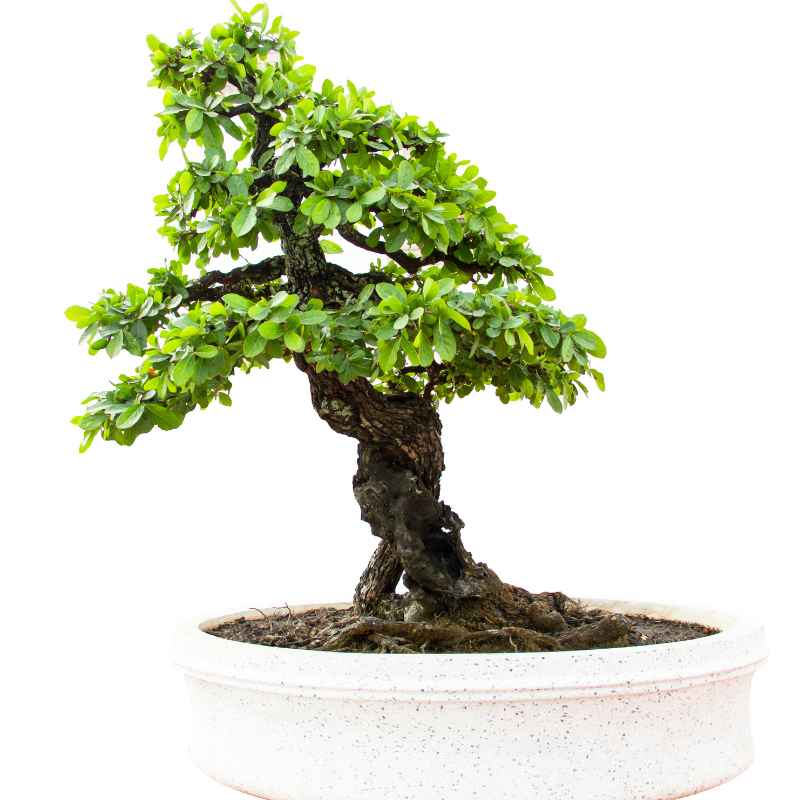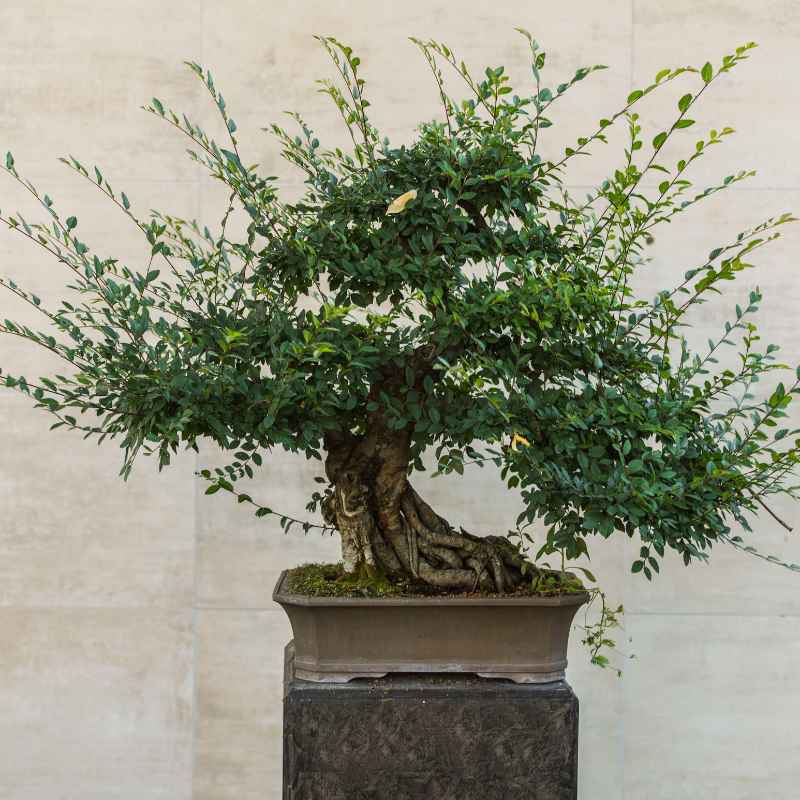
Dealing with your bonsai can feel like a puzzle sometimes. You want the best for these tiny trees. You search for the right soil. Then you see a bag that…
Understanding Bonsai Soil Bonsai soil isn't just dirt from your yard. It's a special mix. The main goal is to give the tiny trees in pots great drainage. It also…
You're probably wondering if that beautiful piece of wood you saw is safe to put in their enclosure. Will it harm them? Could it make them sick? These are important…
The best frequency for spraying miticide on juniper bonsai with spider mites depends on the product used, the severity of the infestation, and environmental conditions. Generally, repeat treatments every 5-7…
The general rule is to wait about 4 to 6 weeks after repotting a Ficus bonsai before you start fertilizing again. This waiting period gives the roots time to recover…
The most important bonsai activities to be doing right now involve assessing your tree’s current condition and the season. Key tasks include checking for pests, watering needs, and planning for…
Yes, certain indoor plants can help purify your home's air by removing common toxins like formaldehyde, benzene, and more, according to NASA's famous Clean Air Study. Top beginner-friendly picks include…
The top 3 air-purifying plants that actually work are the Snake Plant, Spider Plant, and Peace Lily. These easy-care houseplants remove harmful toxins like formaldehyde, benzene, and more from indoor…
No, typical houseplants do not significantly purify indoor air in real homes or offices. The famous 1989 NASA study showed plants can remove some pollutants in sealed chambers, but recent…
No, most air purifiers do not harm or kill plants. Standard HEPA and carbon filter models are safe and can even benefit your houseplants by removing dust, pollen, and pollutants.…