When To Plant Seed For Rain Gardens
Rain gardens are more than just beautiful landscape features, they’re essential tools for managing stormwater and enhancing local biodiversity. As urban and suburban areas deal with increased runoff, rain gardens offer a sustainable way to filter pollutants, recharge groundwater, and support pollinators. However, the success of a rain garden hinges on proper planning, especially when it comes to timing the planting of seeds. Plant too early or too late, and you risk poor germination, increased maintenance, or even the failure of your garden to thrive.
Understanding when to plant seed for rain gardens is not just a gardening detail, it’s a critical decision that affects the long-term health and resilience of your landscape. From climate considerations to soil preparation and species selection, timing plays a pivotal role.
Whether you’re a homeowner, landscaper, or municipal planner, this guide will walk you through the evidence-backed strategies for optimal seeding windows, ensuring your rain garden delivers both ecological and aesthetic benefits.
Key Takeaways
- Best planting times vary by region, but late fall and early spring are most effective for rain garden seeds.
- Soil preparation and moisture conditions are as crucial as timing for seed success.
- Native species have specific seasonal requirements that impact germination and long-term growth.
- Climate, rainfall patterns, and microclimates all influence optimal seeding windows.
- Real-world examples show improved establishment when best practices are followed.
- Avoiding common mistakes and understanding maintenance needs ensures a healthy, low-maintenance rain garden.
Credit: www.opnseed.com
The Science Behind Rain Garden Seeding
Seasonal Factors Affecting Germination
Rain garden seeds require specific environmental cues to germinate. For many native perennial species, exposure to cold temperatures (stratification) breaks seed dormancy. Planting seeds in the late fall allows them to overwinter in the soil, naturally experiencing cold and moisture before sprouting in spring. This mimics natural cycles and supports robust seedling growth.
Alternatively, early spring seeding, just after the last frost, can also yield strong results. Soil is moist from snowmelt or spring rains, and competition from weeds is minimal. However, some seeds may require artificial stratification (pre-chilling in a refrigerator) if spring sowing is chosen.
Soil Temperature And Moisture
Soil temperature is a key factor in germination. Most rain garden seeds germinate best when soil temperatures are between 50°F and 65°F. Planting when the soil is too cold delays germination; when too warm, seeds may dry out or face weed competition.
Soil moisture must be consistent but not saturated. Rain gardens are often sited in low-lying areas, so it’s critical to monitor drainage before seeding . Overly wet soils can cause seed rot, while dry conditions prevent germination.
Regional Climate Considerations
Planting windows for rain gardens differ depending on USDA Hardiness Zones and local rainfall patterns. For example:
- Northern states (Zones 3-6): Late fall planting (October-November) allows seeds to overwinter naturally.
- Midwest and Northeast: Both late fall and early spring (March-April) are suitable; fall is often preferred.
- Southern states (Zones 7-10): Early spring is best, as mild winters may not provide sufficient cold stratification.
Consult your local extension office or authoritative resources such as the US EPA Rain Gardens Guide for region-specific advice.
Pro Tip:
If you choose spring planting but your native seeds require cold stratification, place seeds in moist sand in a refrigerator for 30-60 days before sowing.
Credit: www.prairiefutureseed.com
Timing Your Rain Garden Planting: Regional And Seasonal Strategies
Late Fall Planting
Late fall is often recommended for rain garden seeding, especially for native perennials. As temperatures drop, seeds remain dormant until spring. This method mimics natural seed drop and ensures high germination rates.
- Advantages:
- Natural cold stratification
- Reduced need for artificial intervention
- Lower weed competition
- Best for: Midwest, Northeast, and colder climates
Early Spring Planting
Early spring planting works well where winters are mild or in areas with heavy winter rainfall. Seeds must be sown as soon as the soil can be worked, often in March or April, before weeds emerge.
- Advantages:
- Immediate spring growth
- Easier monitoring for moisture
- Suitable for climates with unpredictable winters
- Best for: Southern states, Pacific Northwest
Comparison Table: Fall Vs. Spring Seeding
| Seeding Time | Advantages | Disadvantages | Best For |
|---|---|---|---|
| Late Fall | Natural stratification, less weed competition, mimics natural cycles | Risk of seed predation, potential for erosion, not suitable for all climates | Cold climates, native perennials, Midwest/Northeast |
| Early Spring | Quick germination, easier irrigation, lower seed loss to weather | May require artificial stratification, higher weed pressure | Mild climates, annuals, Southern states |
Microclimate Influences
Even within regions, microclimates, such as sun exposure, proximity to buildings, and soil type, affect the ideal seeding window. Shaded gardens may warm up later in spring, delaying planting by 1-2 weeks.
Case Study: Midwest Rain Garden Success
A community group in Minnesota documented 85% seed germination rates by planting native prairie mix in late October. By allowing seeds to experience winter, they avoided the need for artificial stratification and achieved dense, weed-suppressing growth by late spring.
Selecting The Right Seeds For Your Rain Garden
Native Vs. Non-native Species
Native seeds are strongly recommended for rain gardens. They are adapted to local rainfall, soil, and wildlife, ensuring longevity and lower maintenance. Non-native or ornamental seeds may not thrive and can become invasive.
- Examples of native rain garden species:
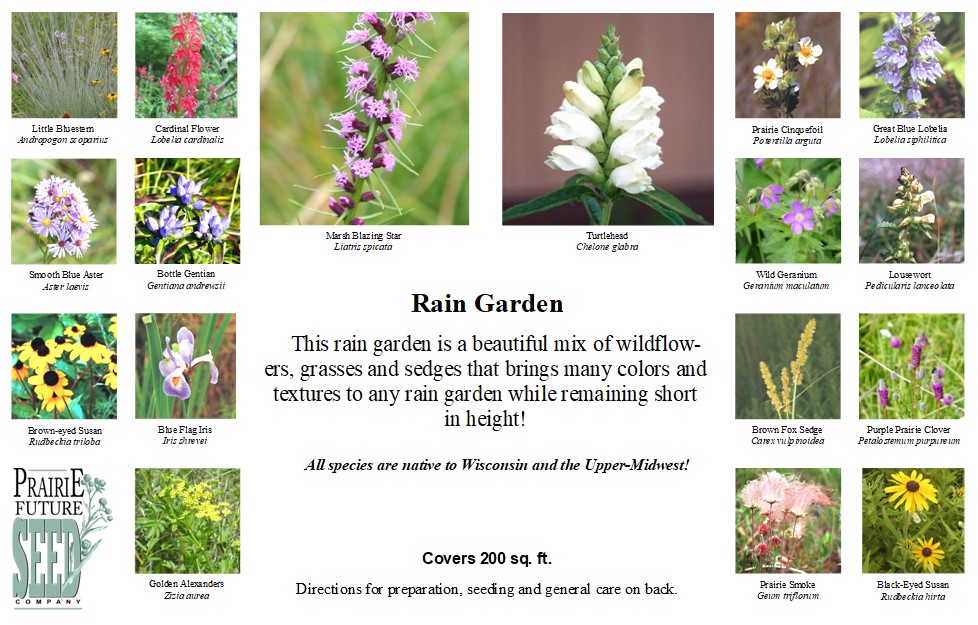
- Blue Flag Iris (Iris versicolor)
- Swamp Milkweed (Asclepias incarnata)
- Black-Eyed Susan (Rudbeckia hirta)
- Wild Bergamot (Monarda fistulosa)
Seed Mix Composition
A diverse seed mix improves resilience and supports more pollinators. Typical rain garden mixes include:
- 50-60% native grasses (for structure and erosion control)
- 30-40% native wildflowers (for blooms and pollinators)
- 10% sedges or rushes (for wettest areas)
Seed Dormancy And Stratification Needs
Many native seeds require a period of cold, moist stratification to break dormancy. Review your chosen species’ germination requirements:
| Species | Stratification Needed? | Recommended Planting Time |
|---|---|---|
| Swamp Milkweed | Yes, 30 days cold-moist | Late Fall |
| Black-Eyed Susan | No | Spring or Fall |
| Blue Flag Iris | Yes, 60 days cold-moist | Late Fall |
| Switchgrass | Yes, 30-60 days cold-moist | Late Fall |
Commercial Seed Mixes Vs. Custom Blends
Commercial rain garden seed mixes are convenient and balanced for typical conditions, but a custom mix may perform better if you have specific goals, such as pollinator support or unique site conditions. Always verify the source and purity of seeds to avoid weed contamination.
Example: Custom Mix For Pollinator Rain Garden
In my experience designing a pollinator-focused rain garden in Ohio, we selected a custom seed mix with a higher percentage of wildflowers (60%) and included early, mid, and late-blooming species. Fall planting led to continuous blooms from May through September in the first full growing season.

Credit: www.ernstseed.com
Preparing Your Rain Garden Site For Seeding
Site Selection And Grading
Choose a low-lying area at least 10 feet from building foundations. Rain gardens should capture runoff from roofs, driveways, or patios but not sit in standing water for more than 24 hours. Proper grading ensures water flows into, but not through, the garden too quickly.
Soil Preparation
Test the soil for texture, drainage, and nutrient content. Most rain garden plants prefer loamy or sandy soils that drain within 24-48 hours. Amend heavy clay soils with compost and sand to improve infiltration.
- Remove existing turf or weeds to reduce competition.
- Loosen the top 6-8 inches of soil with a rototiller or shovel.
- Incorporate 2-4 inches of organic compost.
Mulching And Erosion Control
After seeding, a thin layer of straw mulch (weed-free) helps retain moisture and prevent erosion. Avoid thick mulch, which can smother seeds.
- Use erosion control blankets for steep slopes.
- Mark the edges to protect from foot traffic.
Seeding Techniques
For rain gardens, broadcast seeding is most common:
- Mix seed with damp sand for even distribution.
- Broadcast by hand or with a spreader.
- Lightly rake seeds into the top 1/4 inch of soil.
- Water gently to settle seeds without washing them away.
Irrigation After Planting
Keep the seeded area consistently moist but not saturated until seedlings are well established (typically 4-6 weeks). Use soaker hoses or gentle overhead watering.
Case Study: Urban Rain Garden Installation
A Philadelphia school installed a rain garden in a former parking lot. By removing compacted subsoil, adding compost, and planting a native seed mix in late fall, they achieved 70% plant coverage by the end of the first growing season, with minimal weed invasion.
Real-world Examples: Successes And Lessons Learned
Example 1: Residential Rain Garden In Wisconsin
A homeowner in Madison, WI, planted a 150-square-foot rain garden in November using a locally sourced native seed mix. After a snowy winter, germination began in late April. By July, over 20 species were identified, and runoff from the roof was absorbed, preventing puddling in the yard.
Key Takeaway: Late fall planting, combined with proper site prep and local seed selection, resulted in a lush, low-maintenance garden.
Example 2: Municipal Rain Garden In North Carolina
A city park in Raleigh sowed a rain garden in early March. They used a spring mix with annual rye for quick cover and native perennials for long-term growth. Artificial stratification was used for seeds requiring cold exposure. The result was quick green-up and flowering by early summer.
Key Takeaway: Early spring sowing can work in mild climates, especially with artificial stratification and a mix of annuals and perennials.
Example 3: Challenges With Summer Planting In Texas
A community group in Dallas attempted summer planting to coincide with irrigation availability. Despite frequent watering, high temperatures and weed competition led to low native seed germination and high maintenance needs.
Key Takeaway: Summer planting is risky due to heat stress and weed pressure; fall or early spring is preferable for most regions.
Maintenance And Troubleshooting After Seeding
Early Weed Management
The first year is critical for weed control. Many native perennials grow slowly at first, so aggressive weeds can quickly overtake seedlings.
- Hand-pull large weeds, especially before they set seed.
- Avoid herbicides, which may damage young natives.
- Mow (set high) to control annual weeds without harming perennials.
Watering Regimen
Even after establishment, rain gardens may need supplemental watering during droughts, especially in their first two seasons. Once roots are established, most native species are drought-tolerant.
Monitoring For Erosion And Bare Spots
Heavy rains can wash away seeds or create bare patches. Inspect after major storms and reseed as necessary in fall or early spring.
Disease And Pest Issues
Rain gardens are generally resilient, but monitor for:
- Fungal diseases during wet periods (thin dense areas if needed)
- Seed predation by birds or rodents (use straw mulch or netting if needed)
Table: Maintenance Tasks By Season
| Season | Maintenance Tasks |
|---|---|
| Spring | Monitor for germination, water as needed, hand-pull weeds |
| Summer | Continue weed control, mow annual weeds, check for pests |
| Fall | Reseed bare spots, add mulch, remove debris |
| Winter | Minimal maintenance, inspect for erosion after thaws |
Common Mistakes To Avoid When Planting Rain Garden Seeds
Planting At The Wrong Time
Seeding outside the optimal window (late fall or early spring) leads to poor germination, increased weed competition, and greater maintenance.
Inadequate Site Preparation
Failing to remove existing vegetation, improve drainage, or amend soil can limit seed-to-soil contact and water infiltration, reducing establishment rates.
Over- Or Under-watering
Newly seeded rain gardens require consistent moisture. Overwatering can cause rot, while underwatering can prevent germination.
Using Non-native Or Invasive Seeds
Non-native seeds may not survive local conditions and can outcompete desired plants, reducing biodiversity and increasing maintenance.
Neglecting Mulch And Erosion Control
Without mulch or erosion blankets, seeds may wash away in heavy rain, leading to patchy growth and bare spots.
Ignoring Local Guidance
Not consulting local extension offices or guides can result in mismatched plant selections or missed regional timing windows. For example, the Missouri Botanical Garden Rain Garden Guide offers location-specific recommendations.
Advanced Tips For Maximizing Rain Garden Success
Staggered Seeding For Extended Bloom
Divide your rain garden into sections and seed at different times (late fall and early spring). This technique can spread out bloom periods and hedge against unpredictable weather.
Combining Seeding With Live Plants
For faster establishment and visual impact, combine seeding with plugs or potted plants of key species. This method provides immediate structure while seeds fill in over time.
Incorporating Cover Crops
Including fast-germinating annuals like ryegrass can stabilize soil and suppress weeds in the first year. These will naturally die back as perennials take over.
Monitoring With Photo Points
Mark fixed photo points and take monthly pictures during establishment. This visual record helps track progress and identify issues early.
Adaptive Management
Adjust your species mix, maintenance schedule, or planting window based on observations from previous years. Rain gardens are dynamic systems that benefit from iterative management.
Frequently Asked Questions
What Is The Best Time Of Year To Plant A Rain Garden If I Live In A Drought-prone Area?
In drought-prone regions, the best time to plant rain garden seeds is just before your area’s rainy season begins. This often means late winter or early spring in the Southwest. Planting when moisture is naturally higher ensures seeds have the best chance to germinate without extensive irrigation. Monitor long-term forecasts and be prepared to supplement with watering if rains are delayed.
Can I Plant Rain Garden Seeds In Containers Before Transplanting Them?
Yes, you can start rain garden seeds in containers, especially for slow-growing natives or in areas with poor site conditions. Use deep pots to accommodate long taproots. Transplant seedlings after danger of frost, ensuring the soil is moist and disturbed as little as possible. This method allows for greater control over germination and early growth, but may require more labor.
How Do I Know If My Seeds Require Stratification?
Check the seed packet or authoritative plant database for germination requirements. Many native wildflowers and grasses need cold, moist stratification to break dormancy. If you are unsure, consult local extension services or resources such as the USDA PLANTS Database. When in doubt, late fall planting outdoors usually satisfies stratification needs naturally.
Are There Any Rain Garden Seeds That Can Be Planted In Summer?
Few native rain garden seeds perform well when sown in summer due to high temperatures and weed competition. However, some quick-germinating annuals (like partridge pea or black-eyed Susan) can be sown if you provide ample irrigation and weed control. For most perennial natives, wait for fall or early spring.
What Should I Do If Heavy Rain Washes Away My Seeds After Planting?
If seeds are washed away, reseed the affected areas as soon as the soil is workable. Consider adding erosion control blankets or light straw mulch to hold seeds in place. For rain gardens in high-flow areas, reinforce edges with rocks or plugs of established plants to slow water velocity and protect young seedlings.
A thriving rain garden starts with timing your seed planting to match your regional climate, soil conditions, and plant selection. With thoughtful preparation, attention to seasonal cues, and ongoing care, your rain garden will not only handle stormwater but also support pollinators and beautify your landscape for years to come. By following science-backed strategies and learning from real-world examples, you can confidently create a resilient, low-maintenance rain garden that makes a lasting positive impact.