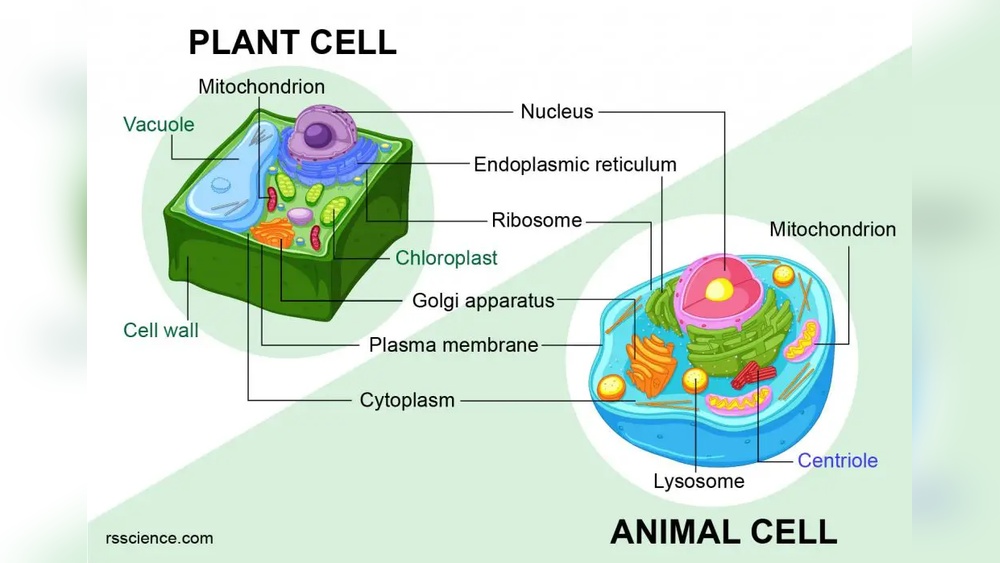

Plant cells are among the most remarkable units of life, providing the structural and metabolic foundation for all terrestrial ecosystems. Their unique organelle composition allows them to perform photosynthesis, store nutrients, and maintain rigid structures, setting them apart from animal, fungal, and bacterial cells. Yet, as students and enthusiasts delve into cell biology, a common question arises: Which organelle is absent in plant cells? The answer is both simple and profound, revealing the evolutionary divergences that shaped life as we know it.
Understanding what is missing in plant cells is just as important as knowing what is present. This knowledge clarifies why plants behave differently from animals and how certain cellular functions are managed uniquely in each kingdom. For students, educators, and science enthusiasts, identifying the absent organelle unveils the fascinating dance of cellular components that sustain life, and highlights the precise adaptations that enable plants to thrive.
In this guide, we’ll explore not only the absent organelle but also the reasons behind its absence, compare plant and animal cells side-by-side, and uncover how these differences impact biology and biotechnology.
Key Takeaways
- Centrioles are the primary organelle absent in most plant cells, distinguishing them from animal cells.
- The absence of centrioles in plant cells affects cell division and structural organization.
- Plant cells have unique organelles such as chloroplasts, cell walls, and large central vacuoles not found in animal cells.
- A clear understanding of cellular organelle differences is crucial for biology, genetics, and biotechnology applications.
- Real-world examples demonstrate how organelle presence or absence impacts plant development and adaptation.

Plant Cell Organelles: An Overview
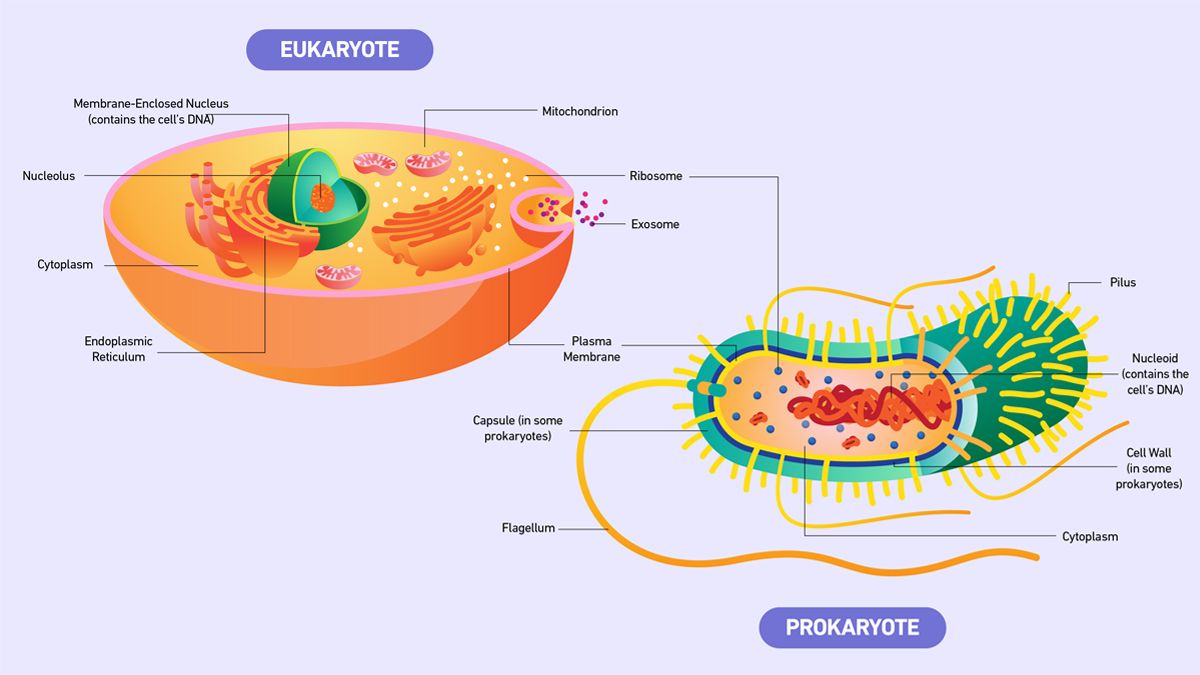
Plant cells are eukaryotic, meaning they contain a nucleus and membrane-bound organelles. These structures work in concert to maintain cellular function, energy production, and growth.
Key Organelles Present In Plant Cells
Plant cells are defined by a suite of specialized organelles, each with a distinct role:
- Nucleus: Houses genetic material (DNA) and controls cellular activities.
- Chloroplasts: Perform photosynthesis, converting light energy into chemical energy.
- Mitochondria: Generate ATP through cellular respiration, supporting all energy-requiring processes.
- Large Central Vacuole: Stores water, nutrients, and waste; helps maintain cell rigidity by exerting turgor pressure against the cell wall.
- Cell Wall: Provides structure and protection; composed mainly of cellulose, but also contains hemicellulose, pectin, and sometimes lignin, contributing to the plant’s mechanical strength.
- Endoplasmic Reticulum (ER): Synthesizes proteins (rough ER) and lipids (smooth ER), and is involved in the detoxification of chemicals.
- Golgi Apparatus: Modifies, sorts, and packages proteins and lipids for secretion or delivery to other organelles.
- Plasma Membrane: Regulates transport into and out of the cell, maintaining homeostasis and communication with neighboring cells.
- Ribosomes: Synthesize proteins, either free in the cytoplasm or bound to the ER.
- Peroxisomes: Break down fatty acids, participate in photorespiration, and detoxify harmful substances through the action of catalase and other enzymes.
Plant cells, through their organelles, are equipped for complex metabolic processes, including secondary metabolite synthesis (such as alkaloids and terpenoids) that play roles in defense and interaction with the environment.
Organelles Unique To Plant Cells
Some organelles are exclusive to plant cells, including:
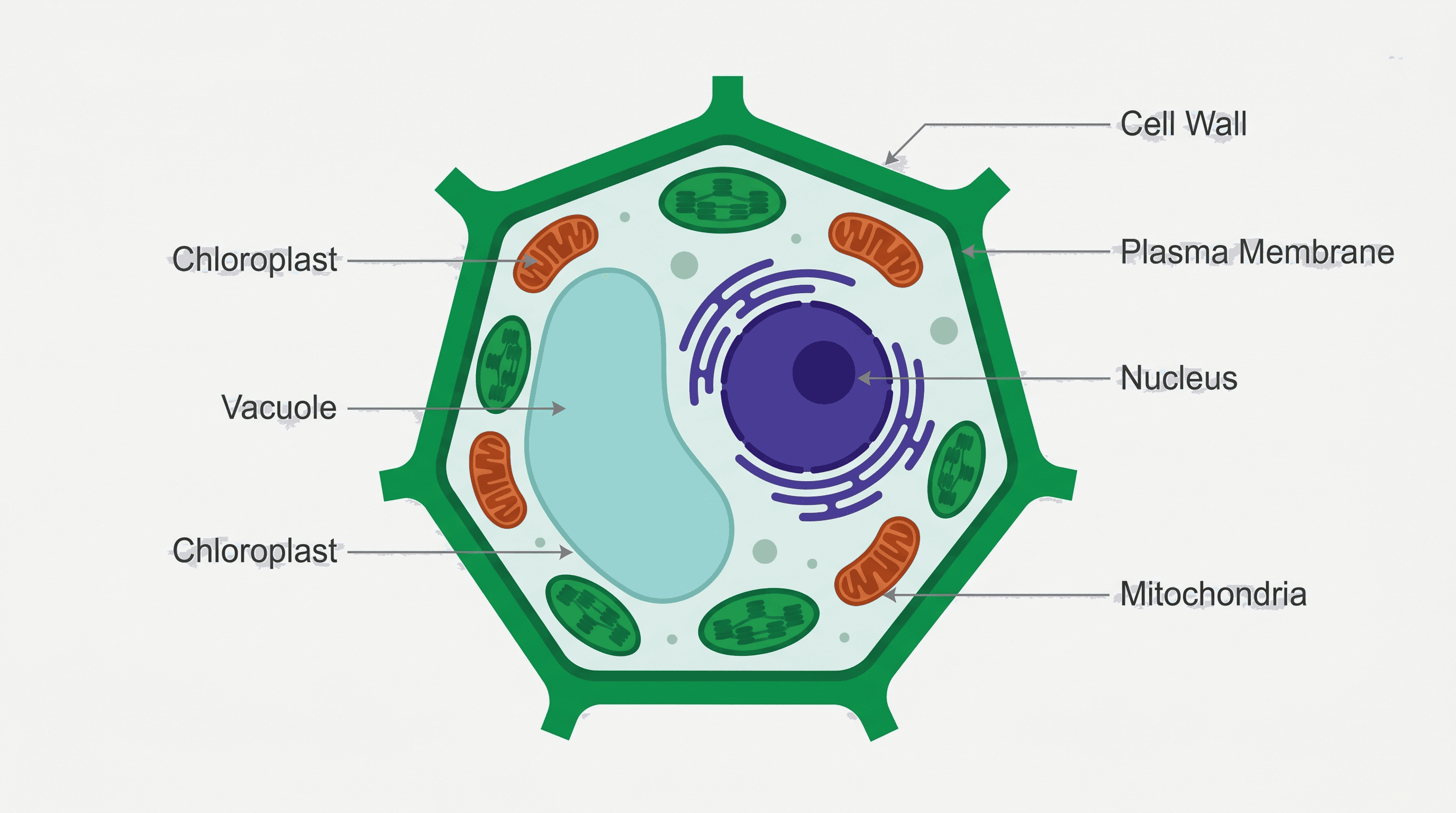
- Chloroplasts: Essential for photosynthesis, chloroplasts contain thylakoid membranes and the pigment chlorophyll, enabling plants to capture solar energy and produce organic molecules.
- Cell Wall: Gives plants their rigid structure, supports upright growth, and acts as a barrier against pathogens and mechanical injury.
- Large Central Vacuole: Maintains osmotic balance, stores ions, nutrients, waste products, and even toxic compounds that deter herbivores. It also plays a critical role in plant growth by increasing cell size through water uptake.
These organelles are foundational to plant life, enabling autotrophy, large size, and resilience in diverse environments.
Organelles Shared With Animal Cells
Plant and animal cells share several organelles:
- Nucleus: The genetic control center in both kingdoms.
- Mitochondria: Powerhouses of the cell, crucial for ATP production.
- Endoplasmic Reticulum: Common for protein and lipid synthesis.
- Golgi Apparatus: The cellular packaging and shipping center.
- Plasma Membrane: Maintains integrity and selective transport.
- Ribosomes: Universal protein factories.
- Peroxisomes: Involved in oxidation reactions and protecting the cell from oxidative damage.
Despite these shared features, the precise function and abundance of these organelles can differ, reflecting adaptation to plant or animal physiology.
The Absent Organelle: Centrioles
Despite these similarities, a significant difference exists: centrioles are present in most animal cells but are largely absent in plant cells. Understanding this difference is key to appreciating the distinctive biology of plants.
What Are Centrioles? Structure And Function
Centrioles are cylindrical structures made up of microtubules, typically found in pairs within animal cells. They play a vital role in organizing the microtubule network during cell division and in forming structures like cilia and flagella.
Structure Of Centrioles
- Composed of nine triplets of microtubules arranged in a cylinder, forming a structure about 0.5 µm long and 0.2 µm in diameter.
- Usually exist as a pair, known collectively as the centrosome. The centrosome acts as the primary microtubule organizing center in animal cells.
- Each centriole pair sits at right angles to each other, embedded in an electron-dense matrix with pericentriolar material, essential for nucleating microtubules.
Primary Functions Of Centrioles
- Cell Division: Help in the formation of the spindle fibers that separate chromosomes during mitosis and meiosis by organizing the mitotic spindle. This ensures that each daughter cell receives the correct set of chromosomes.
- Cilia and Flagella Formation: Serve as basal bodies, anchoring and organizing the microtubule structure of cilia and flagella, enabling cell motility, environmental sensing, and fluid movement across cell surfaces.
- Cell Polarity: Contribute to establishing and maintaining polarity in differentiating cells, influencing tissue development and organization.
Where Are Centrioles Found?
- Animal Cells: Present and essential for proper cell division, particularly in vertebrates and many invertebrates.
- Plant Cells: Generally absent in higher plants (angiosperms and gymnosperms); some lower plants (such as mosses and ferns) and certain algae may have centrioles, but these are exceptions rather than the rule. When present in lower plants, centrioles are usually associated with cells that produce flagellated gametes.
Why Are Centrioles Important?
Centrioles ensure the accurate segregation of chromosomes during cell division in animal cells. They help organize the spindle apparatus, which is critical for the fidelity of mitosis and meiosis. Their absence in plant cells prompts the question: How do plants manage this process without centrioles? The answer lies in the evolution of alternative microtubule organizing strategies and structures.
Why Are Centrioles Absent In Plant Cells?
The absence of centrioles in plant cells is a result of evolutionary divergence and distinct structural requirements.
Evolutionary Perspective
- Plant Evolution: Higher plants (angiosperms and gymnosperms) evolved alternative mechanisms for cell division and organization. The development of a rigid cell wall, large vacuole, and unique cytokinetic mechanisms made centrioles redundant for most functions.
- Lower Plants and Algae: Some retain centrioles, particularly in motile sperm cells, reflecting an ancestral trait that was lost as plants adapted to terrestrial life and began to rely on non-motile gamete delivery (e.g., pollen tubes in flowering plants).
Cellular Adaptations
- Microtubule Organizing Centers (MTOCs): Plant cells use dispersed or less-defined MTOCs to organize microtubules during cell division. These centers are typically associated with the nuclear envelope rather than a distinct centriole-containing centrosome.
- Phragmoplast Formation: During cytokinesis, plant cells form a structure called the phragmoplast, composed of microtubules, actin filaments, and vesicles. The phragmoplast guides vesicles carrying cell wall materials to the cell’s equator, where they fuse to form the cell plate, which develops into a new cell wall separating daughter cells.
Biological Implications
- The absence of centrioles means plant cells do not form typical centriolar spindle poles during mitosis. Instead, spindle microtubules are organized from multiple sites around the nuclear envelope.
- Plant mitosis proceeds with the formation of a barrel-shaped spindle, ensuring equal distribution of chromosomes without the need for centriole-mediated spindle pole formation.
Comparative Data Table: Centrioles In Plant Vs. Animal Cells
| Feature | Plant Cells | Animal Cells |
|---|---|---|
| Centrioles | Absent in most | Present |
| Cell Division Mechanism | Phragmoplast, MTOCs | Centrosome, spindle fibers |
| Cilia/Flagella | Rare, mostly absent | Common (in some cells) |
| Cell Wall | Present | Absent |
| Chloroplasts | Present | Absent |
How Plant Cells Compensate For The Absence Of Centrioles
Plant cells have evolved alternative structures and strategies to fulfill the roles typically managed by centrioles in animal cells.
Microtubule Organizing Centers (mtocs) In Plants
- Plant cells possess MTOCs, but these lack the defined centriolar structure found in animal cells.
- Microtubules are nucleated at dispersed sites, often at the nuclear envelope or cell cortex, and during the cell cycle, the position and organization of these MTOCs change dynamically.
- Recent research using high-resolution microscopy and fluorescent labeling has shown that γ-tubulin ring complexes, which are involved in microtubule nucleation, are scattered throughout the plant cell, especially at the nuclear envelope during prophase.
Phragmoplast And Cell Plate Formation
- During cytokinesis, instead of forming a contractile ring as in animal cells, plant cells construct a phragmoplast. This structure consists of microtubules, actin filaments, and vesicles derived from the Golgi apparatus.
- The phragmoplast expands outward from the center of the cell, guiding vesicles to the midline where they fuse to form the cell plate. This plate eventually develops into a new section of cell wall, completing the division of the daughter cells.
- The mechanism of phragmoplast-guided cytokinesis is unique to plants and some algae, representing a major evolutionary innovation.
Chromosome Segregation
- Despite the absence of centrioles, plant microtubules self-organize into a bipolar spindle during mitosis. The spindle poles are less focused than those in animal cells but are nevertheless functional.
- Chromosomes attach to spindle microtubules via kinetochores and are accurately segregated to daughter cells, demonstrating the effectiveness of centriole-independent spindle assembly.
Real-world Example: Arabidopsis Thaliana
In the model plant Arabidopsis thaliana, researchers have observed that microtubule nucleation occurs at scattered sites, not from a central centrosome. Mutant studies show that even without centrioles, Arabidopsis can undergo normal cell division, underlining the effectiveness of alternative organizing centers (NCBI – Plant Cell Division).
Further, disruption of proteins involved in plant spindle assembly often leads to mitotic defects, emphasizing the sophisticated but centriole-independent machinery that plants have evolved. This adaptability is thought to contribute to the diversity and plasticity observed in plant development and morphology.
Comparison Of Plant And Animal Cell Organelles
Understanding what is absent in plant cells is easier when compared directly to animal cells. Below is a detailed side-by-side comparison.
Major Organelles Present And Absent In Plant And Animal Cells
| Organelle | Plant Cell | Animal Cell |
|---|---|---|
| Centrioles | Absent (except some lower plants) | Present |
| Cell Wall | Present | Absent |
| Chloroplasts | Present | Absent |
| Large Central Vacuole | Present | Small/absent |
| Lysosomes | Rare | Common |
| Cilia/Flagella | Rare | Often present |
| Plasmodesmata | Present | Absent |
| Peroxisomes | Present | Present |
Key Differences Summarized
- Centrioles: Absent in higher plants, present in animals. Their absence in plant cells is compensated by alternative microtubule organizing mechanisms.
- Cell Wall and Chloroplasts: Only in plant cells. The cell wall provides strength and structure, while chloroplasts are the sites of photosynthesis.
- Vacuoles: Large and central in plants, small or absent in animals. Plant vacuoles can occupy up to 90% of the cell volume, while animal cells may have small, temporary vacuoles.
- Lysosomes: Rare in plants, common in animals. Plant cells use lytic vacuoles for degradation and recycling.
- Plasmodesmata: Plant-specific cytoplasmic channels that facilitate intercellular communication and transport of molecules.
Case Study: Cell Division In Onion Root Tip Vs. Animal Cells
In the classic biology lab experiment, students observe mitosis in onion root tip cells. Unlike animal cells, no centrioles are visible, yet the process of chromosome alignment and separation occurs efficiently. This illustrates how plant cells have adapted centrioleless mechanisms for cell division, contrasting with spindle organization in animal cells such as those in whitefish blastulae (Khan Academy – Mitosis).
Additionally, the presence of the cell wall in plant cells affects the overall process of cytokinesis, as the formation of the cell plate is necessary to divide the cytoplasm, rather than the cleavage furrow found in animal cells. This difference can be directly observed under the microscope, providing a tangible example of organelle-driven cellular diversity.
Implications For Cellular Processes
- Cell Motility: Animal cells use centrioles for cilia/flagella; plants rarely have motile cells, and when they do (such as in sperm of lower plants), centrioles may be present.
- Cell Structure: The rigid cell wall in plants compensates for the lack of centrioles in maintaining cellular integrity, supporting turgor pressure and resisting external stress.
- Communication: Plasmodesmata in plant cells allow direct cytoplasmic exchange, while animal cells rely on gap junctions.
The Evolutionary Significance Of Organelle Absence
The absence of centrioles in plant cells is not a random occurrence; it is a product of millions of years of evolution and adaptation.
Divergence Between Plant And Animal Lineages
- Last Common Ancestor: Early eukaryotes likely had centrioles, but plants lost them as they evolved rigid cell walls and different division mechanisms to adapt to terrestrial life.
- Land Plant Evolution: As plants colonized land, new cellular strategies replaced the need for centrioles, including the development of the phragmoplast and non-motile gamete delivery systems.
Advantages Of Centriole Absence
- Structural Efficiency: The cell wall and large vacuole provide support, reducing the need for centriolar organization of microtubules. The cell wall, in particular, enables plants to grow tall and withstand environmental forces without the need for centrioles to anchor the cytoskeleton.
- Energy Conservation: Eliminating centrioles may streamline cell division and reduce metabolic costs. The absence of centrioles and associated structures allows for simpler, more energy-efficient cell division processes, particularly important for sessile organisms like plants.
- Adaptation to Land: The loss of centrioles coincided with the evolutionary shift from aquatic environments (where flagellated sperm were necessary) to terrestrial environments, where pollen and pollen tubes replaced swimming gametes.
Example: Mosses And Algae
- Some lower plants, such as mosses and certain algae, retain centrioles, especially in motile sperm cells. This is an adaptation to environments where water is available for gamete movement.
- In Chlamydomonas, a green alga, centrioles (basal bodies) are essential for flagellar movement and thus motility (Wikipedia – Chlamydomonas).
- The evolutionary loss of centrioles in higher plants corresponds to the loss of motile gametes and the development of pollen tubes, a key innovation for terrestrial reproduction.
Impact On Reproduction And Development
- Non-motile Sperm: Higher plants rely on pollen tubes, not flagellated sperm, eliminating the need for centrioles in gamete movement.
- Developmental Flexibility: The absence of centrioles has not hindered plant diversity or complexity, demonstrating evolutionary success. In fact, the loss of centrioles may have contributed to the development of more complex tissues and reproductive strategies in higher plants.
How Organelle Differences Impact Plant Biology And Biotechnology
Understanding which organelles are absent in plant cells is not just academically interesting—it has real-world applications in agriculture, medicine, and genetic engineering.
Plant Cell Engineering
- Tissue Culture: The absence of centrioles affects how plant cells are manipulated in vitro for cloning and genetic modification. For example, somatic embryogenesis and organogenesis rely on the plant cell’s unique division and differentiation capabilities, which function independently of centrioles.
- Somatic Embryogenesis: Researchers exploit unique plant cell division mechanisms to regenerate entire plants from single cells (ScienceDirect – Plant Biotechnology). The ability to regenerate a whole organism from a single cell is facilitated by plant cells’ totipotency and the absence of rigid centriolar control over cell division orientation.
Crop Improvement
- Disease Resistance: Knowledge of organelle functions allows scientists to target specific pathways for improved resistance. For example, modifying vacuole transporters or cell wall composition can enhance pathogen resistance.
- Yield Enhancement: Understanding vacuole and cell wall dynamics, unique to plants, aids in developing crops with better storage and structural traits. Manipulation of these organelles can lead to varieties with higher water retention, improved nutrient storage, or enhanced mechanical strength.
Medical And Industrial Applications
- Pharmaceuticals: Plant-based production of vaccines and therapeutics leverages plant cell organelle differences. Chloroplast transformation systems allow for high-yield production of proteins and metabolic compounds.
- Biofuels: Cell wall composition, absent in animal cells, is a critical factor in biofuel production from plant biomass. Genetic engineering of cell wall biosynthesis pathways can improve the efficiency of biofuel extraction and processing.
- Bioremediation: The unique metabolic pathways and organelle functions of plant cells can be harnessed for environmental cleanup, such as phytoremediation using plants to remove heavy metals or pollutants from soil and water.
Real-world Example: Golden Rice
Golden Rice is genetically engineered to produce beta-carotene in the chloroplasts of rice grains. This modification exploits plant-specific organelles, demonstrating how knowledge of organelle presence and absence is central to biotechnology (Golden Rice Project). Without the chloroplast and its unique biosynthetic pathways, such metabolic engineering would not be possible.
Table: Organelle Differences And Biotechnological Applications
| Organelle Absent/Present | Impact on Plant Biology | Biotechnological Application |
|---|---|---|
| Centrioles (absent) | Alternative cell division strategies | Tissue culture, somatic embryogenesis |
| Cell Wall (present) | Structural support, defense | Biofuel, fiber, and paper production |
| Chloroplasts (present) | Photosynthesis, pigment synthesis | Golden Rice, biofortification |
| Large Vacuole (present) | Storage, turgor pressure | Improved drought resistance crops |
Common Misconceptions About Plant And Animal Cell Organelles
Many misconceptions persist in textbooks and online resources regarding which organelles are present or absent in plant cells.
Misconception 1: Plant Cells Have Centrioles
- Reality: Most higher plant cells lack centrioles.
- Exception: Some lower plants and algae possess centrioles in motile gametes.
Misconception 2: Plant Cells Have Lysosomes
- Reality: Plant cells have lytic vacuoles that perform similar functions, but classic lysosomes are rare or absent.
- Animal cells have true lysosomes for digestion and waste processing. In plants, hydrolytic enzymes are compartmentalized within the vacuole, allowing for similar degradation processes.
Misconception 3: All Plant Cells Have The Same Organelles
- Reality: Specialized plant cells may lack certain organelles (e.g., mature xylem cells lose their nucleus and cytoplasm). Some cells, such as guard cells or phloem sieve elements, undergo partial loss or modification of organelles to fulfill specialized functions.
Misconception 4: All Organelles Are Present In Every Eukaryotic Cell
- Reality: Organelle presence varies by cell type and organism, reflecting evolutionary adaptation and specialization (Encyclopedia Britannica – Plant Cell). Even within multicellular organisms, certain organelles may be lost or modified during differentiation.
Clarifying The Facts
- The main organelle absent in most plant cells is the centriole.
- Plants compensate for this absence with unique cellular structures and division mechanisms.
- Understanding these nuances is essential for accurate biological education and for designing experiments in plant science and biotechnology.
Frequently Asked Questions
What Organelle Is Missing In Plant Cells But Present In Animal Cells?
The primary organelle missing in plant cells is the centriole. Animal cells use centrioles for organizing microtubules during cell division, but most plant cells rely on alternative mechanisms instead.
Do All Plant Cells Lack Centrioles?
Most higher plant cells lack centrioles, but some lower plants (such as mosses and certain algae) retain them, especially in motile sperm cells. In general, centrioles are absent from the majority of plant cells, particularly those of flowering plants and conifers.
How Do Plant Cells Divide Without Centrioles?
Plant cells use microtubule organizing centers (MTOCs) and form a phragmoplast during cytokinesis to guide the formation of the cell plate. This allows for proper chromosome segregation and cell division without centrioles. Advanced imaging has shown the dynamic reorganization of microtubules during plant mitosis, underscoring the complexity and efficiency of this system.
Are There Any Other Organelles Absent In Plant Cells?
In addition to centrioles, lysosomes are rare or absent in plant cells. Instead, plant cells utilize lytic vacuoles for waste processing and digestion. However, the absence of centrioles is the most significant and defining difference.
Why Is Understanding Organelle Absence Important In Biology And Biotechnology?
Knowing which organelles are present or absent helps researchers design better experiments, improve genetic engineering techniques, and understand disease mechanisms. For example, plant biotechnology leverages the presence of chloroplasts and cell walls, while recognizing the absence of centrioles informs tissue culture methods (NCBI – Plant Cell Structure).
Throughout the study of plant and animal cells, recognizing the absence of centrioles in plant cells not only clarifies basic biological processes but also opens doors to innovation in agriculture, medicine, and biotechnology. By understanding these fundamental differences, researchers and students alike can appreciate the elegance of cellular evolution and harness plant cells for the benefit of society.
The absence of centrioles in plant cells is a profound example of evolutionary adaptation. This difference highlights how plants have developed alternative strategies for growth, reproduction, and survival, underpinning their success as the foundation of most ecosystems. Whether in the classroom, laboratory, or field, recognizing what is missing in plant cells provides essential insight into the beauty and complexity of life. For more on this, see our guide on Planting.