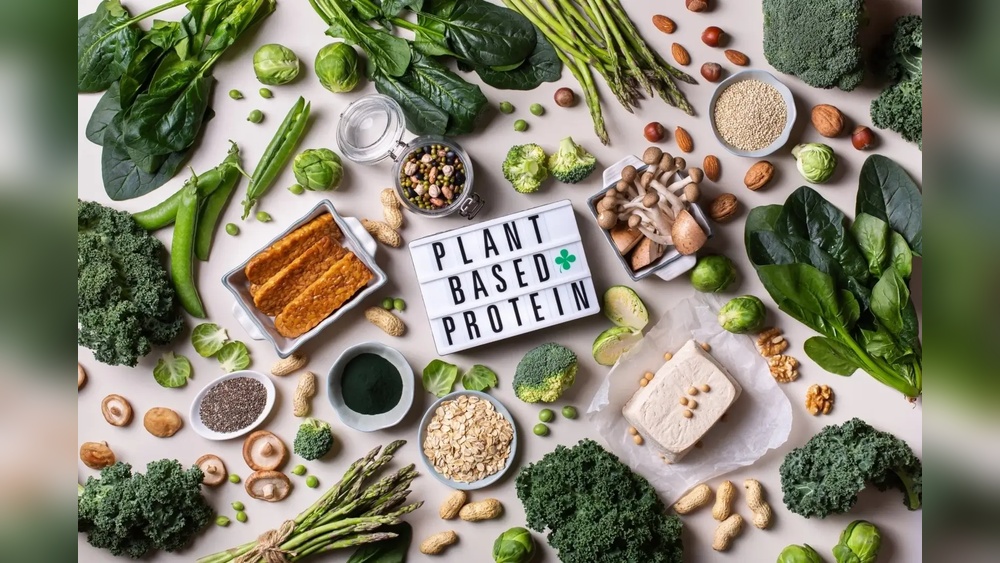

Plant-based diets are surging in popularity, driven by health, environmental, and ethical motivations. Athletes, fitness enthusiasts, and anyone seeking muscle gains are increasingly turning to plant-based protein sources. Yet, a persistent myth lingers: plant-based proteins are incomplete and can’t fuel serious muscle growth. In reality, strategic combinations of these proteins can provide all essential amino acids, supporting robust gains and athletic performance.
Understanding how to optimize plant-based protein intake is crucial for maximizing muscle synthesis, recovery, and overall health. This guide demystifies the science behind incomplete plant-based proteins, reveals how to combine them for full-spectrum amino acid coverage, and offers practical, actionable strategies for building muscle on a plant-based diet. Whether you’re a vegan bodybuilder, a plant-curious athlete, or simply aiming for better nutrition, this comprehensive resource will empower you to unlock your potential.
Key Takeaways
- Incomplete plant-based proteins lack one or more essential amino acids, but smart combinations fill these gaps.
- Pairing foods like rice and beans or whole grains and legumes creates complete protein profiles.
- Data shows plant-based protein combinations can support muscle gains comparable to animal proteins.
- Strategic meal planning, supplementation, and portion control are vital for optimizing plant-based protein intake.
- Common myths about plant proteins are debunked by scientific research and real-world athlete success stories.
Understanding Incomplete Plant-based Proteins
Incomplete plant-based proteins are defined by their amino acid profiles. Unlike animal proteins, which typically contain all nine essential amino acids in sufficient quantities, many plant sources lack one or more. This section explores what makes a protein “incomplete,” why amino acids matter, and how this impacts muscle gains.
What Are Essential Amino Acids?
Essential amino acids are the building blocks of protein that the human body cannot synthesize. There are nine: histidine, isoleucine, leucine, lysine, methionine, phenylalanine, threonine, tryptophan, and valine. These amino acids are critical for muscle growth, repair, and overall health.
Amino acids act as the foundation for countless physiological processes. Leucine, for example, is pivotal in triggering muscle protein synthesis, while lysine is vital for collagen formation and calcium absorption. Methionine plays a role in methylation reactions and antioxidant production.
Without adequate intake of these essentials, muscle repair, immune function, and even hormone balance can suffer. This is why athletes and fitness enthusiasts must pay close attention to their amino acid intake, especially when relying on plant-based sources.
Why Are Most Plant Proteins Incomplete?
Many plant-based proteins lack sufficient levels of one or more essential amino acids. For example:
- Grains (e.g., rice, wheat) are typically low in lysine.
- Legumes (e.g., beans, lentils) are often low in methionine.
- Nuts and seeds may lack lysine and tryptophan.
This “incompleteness” led to the misconception that plant-based diets are inadequate for muscle gains, but strategic combinations can overcome these deficits.
These deficits are not absolute. The degree of deficiency can vary based on the plant species, preparation method, and even soil quality. For instance, sprouting grains and legumes can slightly enhance their amino acid profile. Additionally, the overall protein quality is determined by digestibility and bioavailability, not just amino acid content. The Protein Digestibility Corrected Amino Acid Score (PDCAAS) is one method used to assess protein quality, showing that while most plant proteins score lower than animal proteins, combining sources can easily elevate their PDCAAS.
Amino Acid Profile Comparison
Let’s compare the amino acid profiles of common plant-based protein sources versus animal protein:
| Protein Source | Leucine | Lysine | Methionine | Complete? |
|---|---|---|---|---|
| Egg (Animal) | High | High | High | Yes |
| Rice (Plant) | Moderate | Low | High | No |
| Beans (Plant) | Moderate | High | Low | No |
| Quinoa (Plant) | High | High | High | Yes |
This table highlights the strengths and gaps of typical protein sources. Note that quinoa and soy, two plant foods with “complete” profiles, are exceptions rather than the rule. Most plant proteins need to be paired with others to achieve the same completeness as animal proteins.
The Myth Of Inadequacy
Research published by the National Institutes of Health demonstrates that plant-based protein combinations can supply all essential amino acids, supporting muscle maintenance and growth. The concept of “protein combining” is rooted in ensuring a balanced amino acid intake.
Multiple studies have debunked the myth that plant proteins are inherently inferior. For example, a 2019 review found that when plant proteins are combined to meet amino acid requirements, muscle protein synthesis rates are indistinguishable from those of animal protein groups.
Even in high-intensity resistance training scenarios, plant-based protein combinations, if consumed in sufficient quantities, support muscle hypertrophy and recovery.
How Protein Combining Works For Muscle Gains
Protein combining, also known as “complementary proteins,” is a dietary strategy that pairs foods with different amino acid profiles to create a complete protein. This section explains the science, provides practical examples, and outlines how to implement protein combining for muscle gains.
The Science Behind Protein Combining
The principle is simple: combine two or more incomplete plant proteins so their strengths compensate for each other’s weaknesses. For example:
- Grains + Legumes: Grains are low in lysine but high in methionine; legumes are high in lysine but low in methionine.
- Nuts/Seeds + Legumes: Nuts and seeds can supply methionine, while legumes provide lysine.
When eaten together, these combinations offer a complete amino acid profile.
The effectiveness of protein combining lies in the synergy between sources. For instance, the classic combination of rice and beans is not just a cultural staple—it’s a nutritional powerhouse. The methionine-rich rice fills the gap left by beans, while beans supply the lysine rice lacks.
This principle extends to dozens of food pairings across global cuisines, underscoring the universality and accessibility of protein combining.
Classic Combinations For Complete Proteins
Some tried-and-tested combinations include:
- Rice and Beans (Latin America, Asia)
- Corn and Beans (Central America)
- Lentils and Whole Wheat (India)
- Peanut Butter on Whole Grain Bread (Western diets)
- Chickpeas and Brown Rice (Mediterranean, Middle Eastern)
These combinations are not only nutritionally effective but also delicious and culturally ingrained. For example, Indian dal with whole wheat chapati is both a traditional staple and a perfect protein combo. Similarly, peanut butter sandwiches are popular in Western countries, and when made with whole grain bread, they offer a well-rounded amino acid profile.
Timing And Meal Planning
Early advice suggested combining proteins within the same meal, but current research (e.g., Academy of Nutrition and Dietetics) shows it’s sufficient to combine them throughout the day. This flexibility makes protein combining accessible and easy to implement.
This flexibility is a game-changer, especially for busy individuals and athletes who may not have the time or resources to meticulously plan every meal. By focusing on variety across the day—such as oats at breakfast, lentils at lunch, and rice and beans at dinner—you can easily meet your amino acid requirements.
The body’s amino acid pool allows for storage and utilization, so strict meal-by-meal combining is unnecessary.
Protein Combining For Gains: Real-world Data
A randomized controlled trial published in the Medicine & Science in Sports & Exercise journal found that plant-based diets, when properly combined, produced muscle gains comparable to animal-based diets over 12 weeks of resistance training.
In this study, participants followed resistance training protocols and consumed either plant-based or animal-based diets with matched protein intake. Both groups exhibited similar increases in lean body mass, muscle strength, and recovery. This demonstrates that the quality and timing of protein intake, rather than the source, are the key determinants of muscle gain.
Sample Meal Plan
Here’s how a day’s meals might look for optimal plant protein combining:
- Breakfast: Oatmeal with soy milk and chia seeds
- Lunch: Lentil soup with whole grain bread
- Snack: Hummus with carrot sticks and sunflower seeds
- Dinner: Brown rice and black beans, topped with avocado
Adding variety, you might also include green smoothies with pea protein powder, tempeh stir-fries with quinoa, or pasta salads with edamame and pumpkin seeds. Each meal or snack is an opportunity to combine different plant protein sources, ensuring you meet your amino acid requirements and support muscle growth.
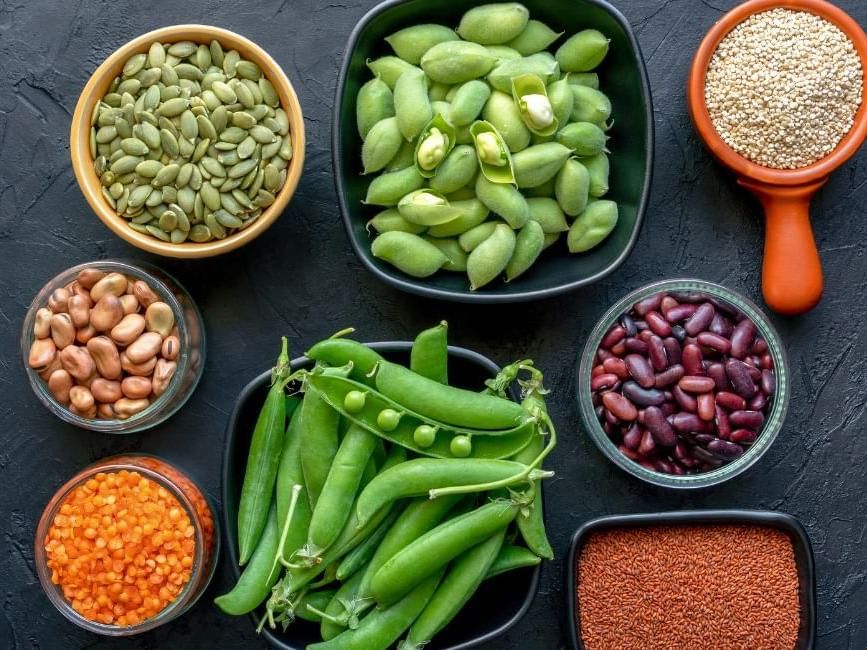
Top Incomplete Plant-based Protein Sources And Their Complements
Understanding which plant-based proteins are incomplete—and how to complement them—is essential for building a balanced diet. This section spotlights the most common incomplete plant proteins and their ideal pairing partners.
Grains
Grains such as rice, wheat, oats, and corn are staples worldwide. Their protein is typically low in lysine but high in methionine.
- Best Complements: Beans, lentils, peas
Grains form the base of many diets, but their protein profile is insufficient for muscle growth on its own. However, when paired with legumes, they become a powerful muscle-building staple. For example, wheat tortillas filled with black beans or oatmeal topped with lentils can provide a complete protein profile.
Legumes
Legumes include beans, lentils, chickpeas, and peas. They are rich in lysine but often low in methionine.
- Best Complements: Whole grains, nuts, seeds
Legumes are a dietary cornerstone for vegans and vegetarians. Lentil stews with barley, chickpea salads with quinoa, and bean soups with whole wheat bread are excellent examples of complementary meals. Legumes also pair well with nuts and seeds—adding tahini to hummus or sunflower seeds to lentil salads boosts methionine content.
Nuts And Seeds
Nuts and seeds (e.g., sunflower, pumpkin, sesame, peanuts) provide methionine but are often deficient in lysine.
- Best Complements: Legumes, soy products
Nuts and seeds can be easily incorporated into meals and snacks. Peanut butter paired with chickpeas or sunflower seeds sprinkled on lentil soup are practical ways to improve amino acid balance. Additionally, nut-based spreads with whole grain crackers or seeds blended into smoothies can enhance overall protein quality.
Vegetables
Many vegetables offer small amounts of protein, but their amino acid profiles vary. For instance, leafy greens may lack lysine.
- Best Complements: Pair with grains or legumes for complete coverage.
While vegetables are not primary protein sources, they contribute to the overall amino acid pool and nutritional diversity. Mixing vegetables with grains and legumes—such as spinach and lentil curry with brown rice—ensures a more complete amino acid intake.
Soy And Quinoa: The Exception
Soy and quinoa are unique among plants—they contain all nine essential amino acids in sufficient quantities and are considered complete proteins. They can anchor a plant-based diet but are not always accessible or preferred.
Soy products (tofu, tempeh, edamame, soy milk) and quinoa are versatile and nutrient-dense. Tofu stir-fries, quinoa salads, and edamame snacks provide complete protein and can be used as the main protein source in meals, especially for athletes with higher protein needs.
Comparison Table: Incomplete Proteins And Complements
| Source | Missing Amino Acid | Best Complement | Classic Dish Example |
|---|---|---|---|
| Rice | Lysine | Beans | Rice & Beans |
| Wheat | Lysine | Lentils | Lentil Soup & Bread |
| Peanuts | Lysine | Chickpeas | Peanut-Chickpea Curry |
| Chickpeas | Methionine | Brown Rice | Chickpea-Brown Rice Bowl |
| Oats | Lysine | Peas | Oat-Pea Patties |
Practical Pairing Tips
- Combine grains and legumes in at least one meal per day.
- Add seeds/nuts to salads, smoothies, or stir-fries for methionine.
- Use soy or quinoa as a base for protein-rich meals.
Additional tips include using lentil flour in baking, blending chickpeas into dips and spreads, and topping soups and salads with hemp or pumpkin seeds. Incorporating a diversity of plant proteins is key to both nutritional adequacy and culinary enjoyment.
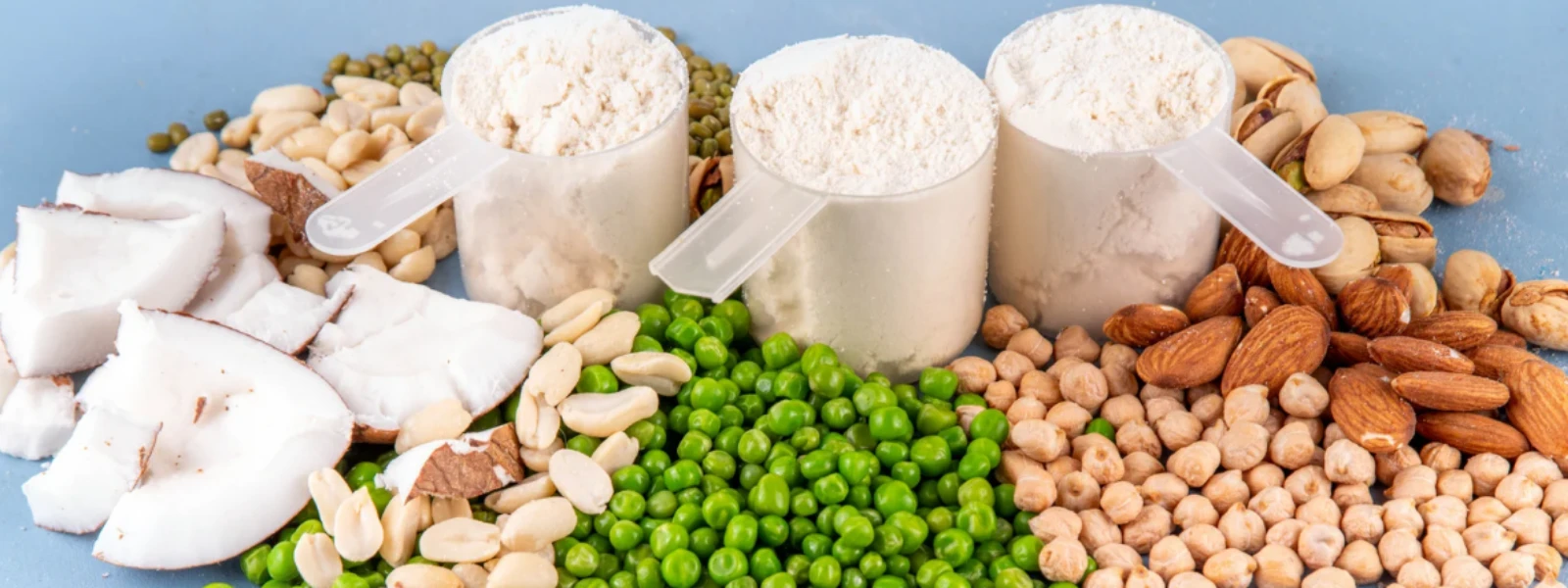
Evidence-based Benefits Of Plant Protein Combining For Muscle Gains
Plant-based protein combining offers numerous advantages for muscle growth, recovery, and overall wellness. Scientific evidence and real-world examples underscore its effectiveness.
Muscle Protein Synthesis
Studies show that muscle protein synthesis can be triggered by plant-based proteins when amino acid requirements are met. Research from the NIH demonstrates no significant difference in muscle gains between plant and animal proteins, provided total protein and amino acid intake is equivalent.
Leucine, often cited as the key amino acid for muscle growth, is present in many plant proteins. Pea protein, soy, and lentils are particularly high in leucine. By ensuring meals contain enough leucine-rich sources, athletes can maximize muscle protein synthesis and recovery.
Athletic Performance
Elite athletes such as Patrik Baboumian (vegan strongman) and Venus Williams (tennis champion) have thrived on plant-based diets. Their meal plans emphasize protein combinations and adequate caloric intake.
Baboumian, for example, consumes a variety of legumes, grains, and seeds, focusing on high-protein meals throughout the day. Williams has spoken about her plant-based approach, emphasizing beans, lentils, quinoa, and whole grains to fuel her training and recovery. These athletes demonstrate that a well-planned plant-based diet can meet even the most demanding physical requirements.
Health Advantages
Plant-based diets are linked to reduced risk of chronic diseases, improved cardiovascular health, and lower inflammation (see Harvard Health). Combining proteins ensures nutritional adequacy without relying on animal sources.
A diet rich in legumes, grains, nuts, and seeds provides fiber, antioxidants, vitamins, and minerals. These nutrients support immune function, heart health, and digestive wellness. Additionally, plant-based diets are associated with lower rates of obesity, metabolic syndrome, and certain cancers.
Case Study: Vegan Bodybuilder
Case Study: Jake, a competitive bodybuilder, transitioned to a vegan diet. He combined lentils, chickpeas, quinoa, tofu, and whole grains, achieving a daily protein intake of 1.8g/kg body weight. Over 16 weeks, Jake maintained muscle mass and improved recovery times, demonstrating the effectiveness of plant protein combining.
Jake’s approach involved carefully planned meals, ensuring protein diversity and strategic supplementation with plant-based protein powders. By monitoring his macros and amino acid intake, he achieved gains comparable to his omnivorous peers and reported enhanced energy levels and reduced muscle soreness.
Key Benefits List
- Supports muscle growth and repair
- Reduces inflammation
- Enhances recovery
- Promotes overall health
- Provides environmental sustainability
Common Myths And Misconceptions About Plant-based Protein
Despite mounting evidence, myths about plant-based protein persist. This section debunks common misconceptions with facts and science.
Myth 1: Incomplete Proteins Can’t Support Gains
Fact: Properly combined plant proteins provide all essential amino acids, fueling muscle growth and recovery comparable to animal proteins.
Decades of research have shown that muscle hypertrophy, strength, and recovery are achievable with plant-based diets. The key is meeting total protein and amino acid requirements, not relying on a single source.
Myth 2: You Must Combine Proteins At Every Meal
Fact: It’s sufficient to combine proteins throughout the day. The body maintains an amino acid pool, allowing flexibility in meal planning.
This myth is rooted in outdated nutrition advice from the 1970s. Modern science confirms that daily combinations are adequate, making plant-based eating more practical and less stressful.
Myth 3: Plant Protein Is Inferior To Animal Protein
Fact: Research shows no significant difference in muscle gains when total protein and essential amino acid intake are matched (NIH).
Protein quality is a function of amino acid composition and digestibility. Combining plant sources easily matches animal protein quality when attention is paid to variety and quantity.
Myth 4: Plant-based Diets Are Expensive And Inaccessible
Fact: Staples like rice, beans, lentils, and oats are affordable and widely available. Strategic planning makes plant-based diets accessible.
Plant-based diets can be tailored to suit any budget. Bulk buying and meal prepping maximize affordability, while seasonal produce and pantry staples ensure year-round access.
Myth 5: Athletes Can’t Perform On Plant-based Diets
Fact: Numerous elite athletes thrive on plant-based diets, using protein combinations to meet their needs (see Wikipedia).
From Olympians to bodybuilders, plant-based athletes prove that performance and muscle gains are not limited by protein source. Their success is rooted in diligent meal planning and protein diversity.
Practical Strategies For Maximizing Plant-based Protein Gains
Strategic planning is essential for achieving gains on a plant-based diet. This section provides actionable tips, meal ideas, and supplementation advice.
Calculate Your Protein Needs
- General recommendation: 1.2–2.0g protein per kg body weight for active individuals
- Higher needs: 1.6–2.2g/kg for athletes and bodybuilders
Use your weight, activity level, and goals to tailor your intake. For example, a 70kg athlete may require 112–154g of protein daily. Tracking intake with apps like Cronometer or MyFitnessPal can help ensure accuracy.
Optimize Meal Planning
- Include protein in every meal and snack
- Rotate protein sources to ensure amino acid diversity
- Use complementary combinations (e.g., grains + legumes)
Meal prepping is a powerful tool for busy lifestyles. Batch-cook beans, lentils, quinoa, and brown rice, then mix and match throughout the week. Add nuts, seeds, tofu, and tempeh to increase variety and nutrition.
Sample Plant-based Muscle-building Meals
- Breakfast: Tofu scramble with spinach, tomatoes, and whole grain toast
- Lunch: Quinoa salad with chickpeas, veggies, and pumpkin seeds
- Snack: Peanut butter on multigrain crackers, soy milk smoothie
- Dinner: Lentil chili with brown rice and avocado
For added variety, consider smoothies with pea protein, tempeh stir-fries with vegetables, or pasta made from lentil flour. Each meal should deliver a mix of protein sources and adequate calories for muscle growth.
Supplementation
While whole foods should be the foundation, some may benefit from supplements:
- Plant-based protein powders (pea, hemp, rice)
- B12, iron, and omega-3s for overall health
Protein powders can boost intake, especially for athletes with high requirements. Blend pea and rice protein for a complete amino acid profile. B12 and iron are critical for vegans, and algae-based omega-3 supplements support cognitive and cardiovascular health.
Tracking And Adjusting
Use nutrition apps or trackers to monitor protein intake and ensure you’re meeting amino acid needs. Adjust portion sizes and combinations based on activity level and goals.
Regular assessment—such as monthly check-ins or dietary reviews—ensures you’re progressing toward your muscle and performance targets. If you notice fatigue or slow recovery, tweak your protein sources or consider additional supplementation.
Real-world Example: College Athlete
Case Study: Maya, a college track athlete, switched to a plant-based diet. By combining rice, beans, tofu, and nut butters, she maintained peak performance and muscle mass through her competitive season, confirming the viability of plant protein for gains.
Maya’s approach included meal prepping, using protein shakes post-training, and experimenting with recipes to keep meals exciting and diverse. Her success illustrates that plant-based eating can support demanding athletic schedules.
Comparison Table: Plant-based Protein Powders
| Powder Type | Protein/Serving | Complete Protein? | Amino Acid Highlight | Best Use |
|---|---|---|---|---|
| Pea Protein | 20g | Nearly (low methionine) | High lysine | Post-workout shakes |
| Rice Protein | 15g | No (low lysine) | High methionine | Combine with pea protein |
| Hemp Protein | 12g | Nearly | Balanced profile | Meal smoothies |
| Soy Protein | 20g | Yes | All essentials | Any meal |
Blending protein powders—such as pea and rice—ensures a complete amino acid profile. Choose powders free from artificial additives and sweeteners for optimal health and digestibility.
Environmental And Health Impact Of Plant-based Protein Choices
Choosing plant-based protein combinations not only benefits muscle gains but also impacts health and sustainability. This section reviews data and expert perspectives.
Sustainability And Environmental Impact
Producing plant-based proteins requires fewer resources compared to animal proteins. Data from the United Nations Environment Programme shows:
- Plant proteins use 10x less water per gram than beef
- Greenhouse gas emissions are significantly lower for grains and legumes
The environmental benefits extend to reduced land use, lower pollution, and preservation of biodiversity. Shifting from animal to plant-based proteins is a powerful way to reduce personal and global carbon footprints.
Health Impact
Plant-based diets are associated with:
- Lower risk of heart disease
- Reduced type 2 diabetes
- Improved digestive health
- Lower cholesterol levels
Combining incomplete plant proteins ensures essential nutrient intake and maximizes health benefits.
A balanced plant-based diet is also rich in antioxidants and phytonutrients, which fight oxidative stress and inflammation. This contributes to faster recovery, enhanced performance, and reduced injury risk for athletes.
Case Study: Professional Soccer Team
A European soccer team adopted a plant-based nutrition program, emphasizing protein combinations such as lentil-brown rice bowls and quinoa-chickpea salads. Players reported improved endurance, faster recovery, and enhanced team performance.
The team’s nutritionists ensured meals included diverse plant proteins, healthy fats, and complex carbohydrates. Their experience highlights the practical benefits of plant-based diets for professional athletes.
Key Health And Environmental Benefits
- Reduces carbon footprint
- Supports global food security
- Enhances long-term health
Frequently Asked Questions
What Is An Incomplete Plant-based Protein?
An incomplete plant-based protein is a protein source lacking one or more of the nine essential amino acids required for optimal health and muscle growth. Examples include rice (low in lysine) and beans (low in methionine).
How Do I Combine Plant-based Proteins For Muscle Gains?
Combine foods with complementary amino acid profiles, such as grains and legumes or nuts/seeds and legumes. Eating these combinations throughout the day ensures you get all essential amino acids.
Do I Need To Combine Proteins At Every Meal?
No. Current research and guidelines, including those from the Academy of Nutrition and Dietetics, confirm that combining proteins over the course of the day is sufficient.
Are Plant-based Protein Supplements Effective?
Yes. Plant-based protein powders (pea, soy, hemp) can help meet protein needs. Look for blends to ensure a complete amino acid profile, and use them to supplement—not replace—whole food sources.
Can Athletes Build Muscle On A Plant-based Diet?
Absolutely. Numerous athletes, including bodybuilders and Olympians, have achieved significant muscle gains on plant-based diets by strategically combining protein sources and meeting total protein requirements. See Healthline for more examples.
Adopting a plant-based approach to protein doesn’t mean sacrificing your fitness goals. With smart combinations, careful meal planning, and evidence-based strategies, plant proteins can power muscle gains, recovery, and peak performance. Whether you’re chasing a personal best or simply seeking better health, combining incomplete plant proteins unlocks the full potential of plant-based nutrition, supporting your journey to strength and vitality. For more on this, see our guide on Planting.