
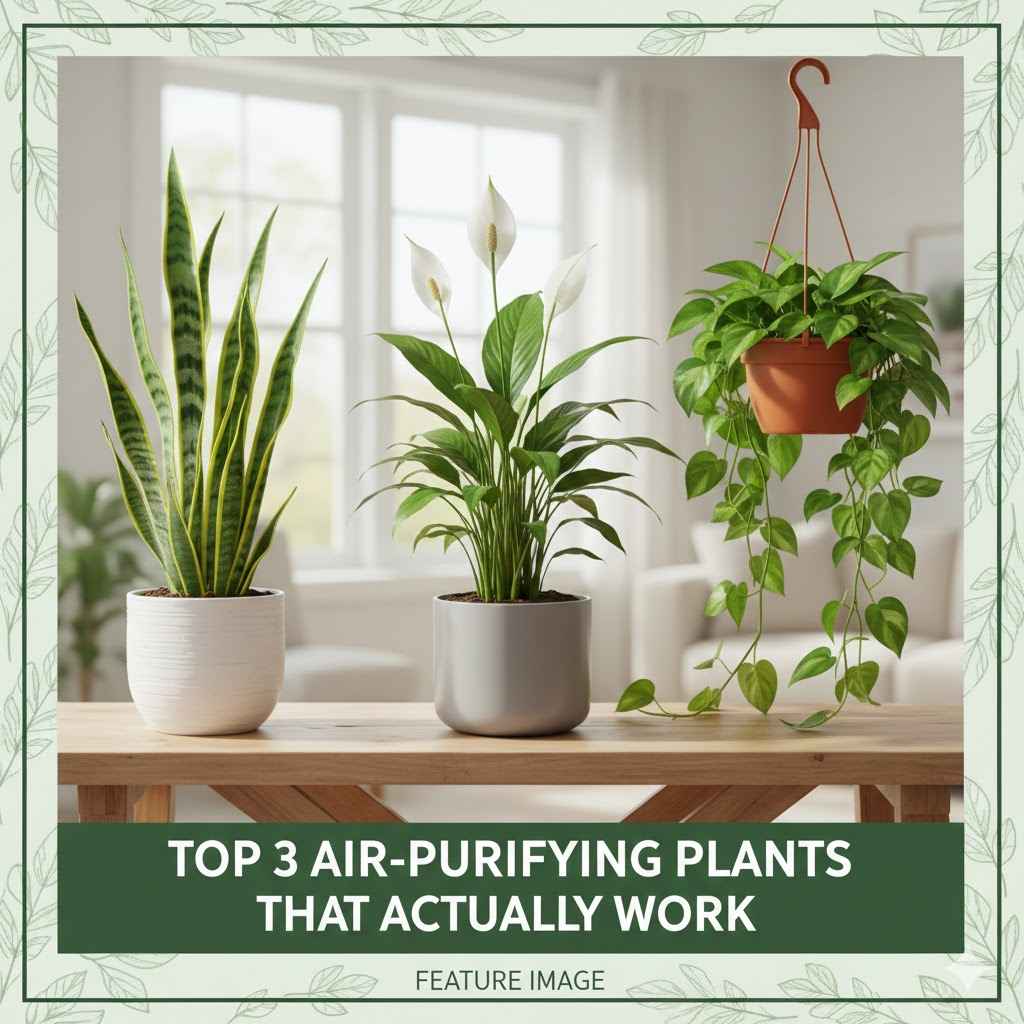
The top 3 air-purifying plants that actually work are the Snake Plant, Spider Plant, and Peace Lily. These easy-care houseplants remove harmful toxins like formaldehyde, benzene, and more from indoor air, based on NASA’s Clean Air Study. Perfect for beginners, they thrive with minimal effort and boost your home’s health and beauty.
Do you ever feel like the air in your home is stuffy? Many of us spend hours indoors with paints, cleaners, and furniture giving off invisible toxins. This can make you tired or cause headaches. The good news? Adding a few simple plants can help clean the air naturally. These plants are proven to work and are super easy for beginners. In this guide, I’ll walk you through the top three air-purifying plants that really deliver results. You’ll learn why they help, how to pick and care for them, and simple tips to keep them happy. Let’s make your home fresher and greener!
Why These Plants Actually Work for Air Purification
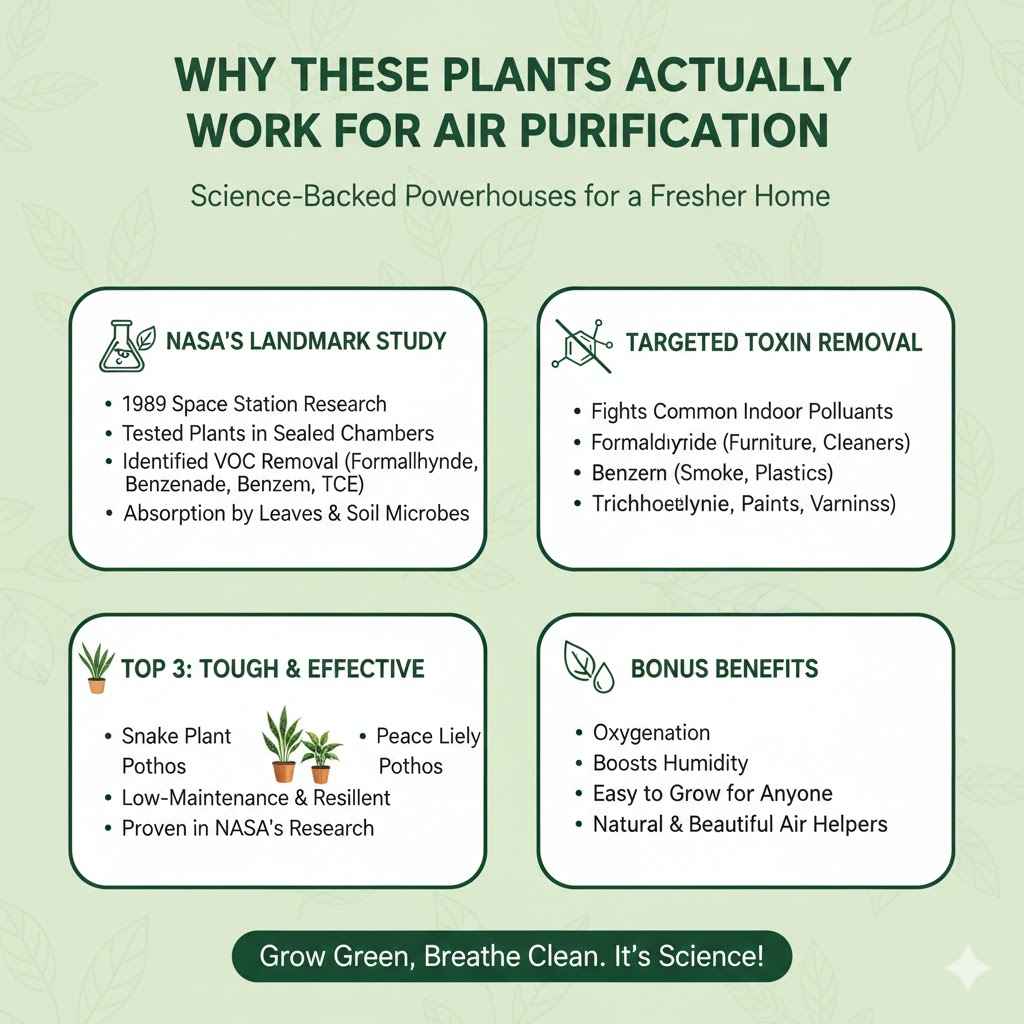
Back in 1989, NASA studied ways to clean air in space stations. They tested common houseplants and found some remove toxins very well. The study showed plants absorb bad chemicals through leaves and roots, then break them down. The famous NASA Clean Air Study highlighted plants that fight formaldehyde (from furniture), benzene (from smoke), and trichloroethylene (from paints).
These top three stand out because they are tough, low-maintenance, and effective. They also add oxygen and humidity. Best of all, anyone can grow them—no fancy skills needed.
1. Snake Plant (Sansevieria trifasciata)
The Snake Plant, often called Mother-in-Law’s Tongue, is a superstar for air cleaning. It removes benzene, formaldehyde, trichloroethylene, xylene, and toluene. What makes it special? It releases oxygen at night, so it’s great for bedrooms.
This plant has tall, sword-like leaves in green or variegated patterns. It looks modern and fits any room.
Why Beginners Love It
- Super tough — survives low light and forgotten watering.
- Grows slowly but steadily.
- Rarely gets pests.
How to Care for Snake Plant
- Light: Low to bright indirect light. Avoid direct sun to prevent burns.
- Water: Every 2–4 weeks. Let soil dry out fully between waterings. Overwatering causes rot.
- Soil: Well-draining potting mix, like cactus soil.
- Temperature: 60–85°F (15–29°C). It handles average home temps.
- Fertilizer: Feed once in spring/summer with diluted houseplant food.
- Repot: Every 2–3 years when root-bound.
Place one in your bedroom for better sleep air.
2. Spider Plant (Chlorophytum comosum)
The Spider Plant is cheerful with arching green-and-white leaves. It produces baby “spiderettes” that dangle like spiders—fun to propagate!
NASA tests showed it removes up to 95% of formaldehyde in a day. It also tackles carbon monoxide, xylene, and benzene. Safe around pets and kids too.
Why It’s Beginner-Friendly
- Grows fast and forgiving.
- Thrives in hanging baskets or on shelves.
- Purifies air while adding a soft, flowing look.
Step-by-Step Care Guide
- Light: Bright indirect or medium light. Handles some shade.
- Water: Keep soil moist but not soggy. Water when top inch is dry—about once a week.
- Soil: Regular potting soil with good drainage.
- Temperature: 65–75°F (18–24°C). Avoid cold drafts.
- Propagation: Pinch off baby plants and root in water or soil.
- Problems: Brown tips mean too much fluoride in water—use filtered if possible.
Hang a few in your living room for fresh, clean vibes.
3. Peace Lily (Spathiphyllum)
The Peace Lily has glossy dark green leaves and elegant white flowers (actually specialized leaf bracts). It removes ammonia, benzene, formaldehyde, and trichloroethylene. It also adds humidity, great for dry homes.
When thirsty, leaves droop dramatically—but perk up fast after watering. This makes it easy to know when to water!
Beginner Benefits
- Blooms indoors with good care.
- Loves shade—perfect for low-light spots.
- Signals care needs clearly.
Easy Care Instructions
- Light: Low to medium indirect. No direct sun.
- Water: Keep soil evenly moist. Water when leaves droop—usually weekly.
- Soil: Rich, well-draining potting mix.
- Temperature: 65–80°F (18–27°C). Likes warmth.
- Fertilizer: Every 6 weeks in growing season with balanced feed.
- Note: Toxic to pets if chewed—keep out of reach.
Put one in your bathroom or office for calm, clean air.
Comparison Table: Top 3 Air-Purifying Plants
| Plant | Key Toxins Removed | Light Needs | Water Needs | Special Feature | Pet Safe? |
|---|---|---|---|---|---|
| Snake Plant | Benzene, Formaldehyde, Trichloroethylene, Xylene, Toluene | Low to bright indirect | Low (every 2-4 weeks) | Nighttime oxygen release | Yes (but mildly toxic if large amounts eaten) |
| Spider Plant | Formaldehyde, Carbon Monoxide, Xylene, Benzene | Bright indirect to medium | Medium (weekly) | Produces baby plants easily | Yes |
| Peace Lily | Ammonia, Benzene, Formaldehyde, Trichloroethylene | Low to medium indirect | Medium (keep moist) | Beautiful white blooms | No (toxic to pets) |
This table helps you pick the best one for your space.
How Many Plants Do You Need?
NASA suggests 1–2 plants per 100 square feet for good results. Start small—3–5 plants in an average room make a difference. Combine them for broader toxin coverage.
Quick Tips to Maximize Air-Purifying Benefits
- Keep leaves dust-free—wipe gently with a damp cloth.
- Use pots with drainage holes to prevent root rot.
- Group plants together for better humidity.
- Avoid over-fertilizing—less is more for health.
- Monitor for pests like spider mites—treat with soap water if needed.
These small habits keep your plants working at their best.
Common Mistakes to Avoid
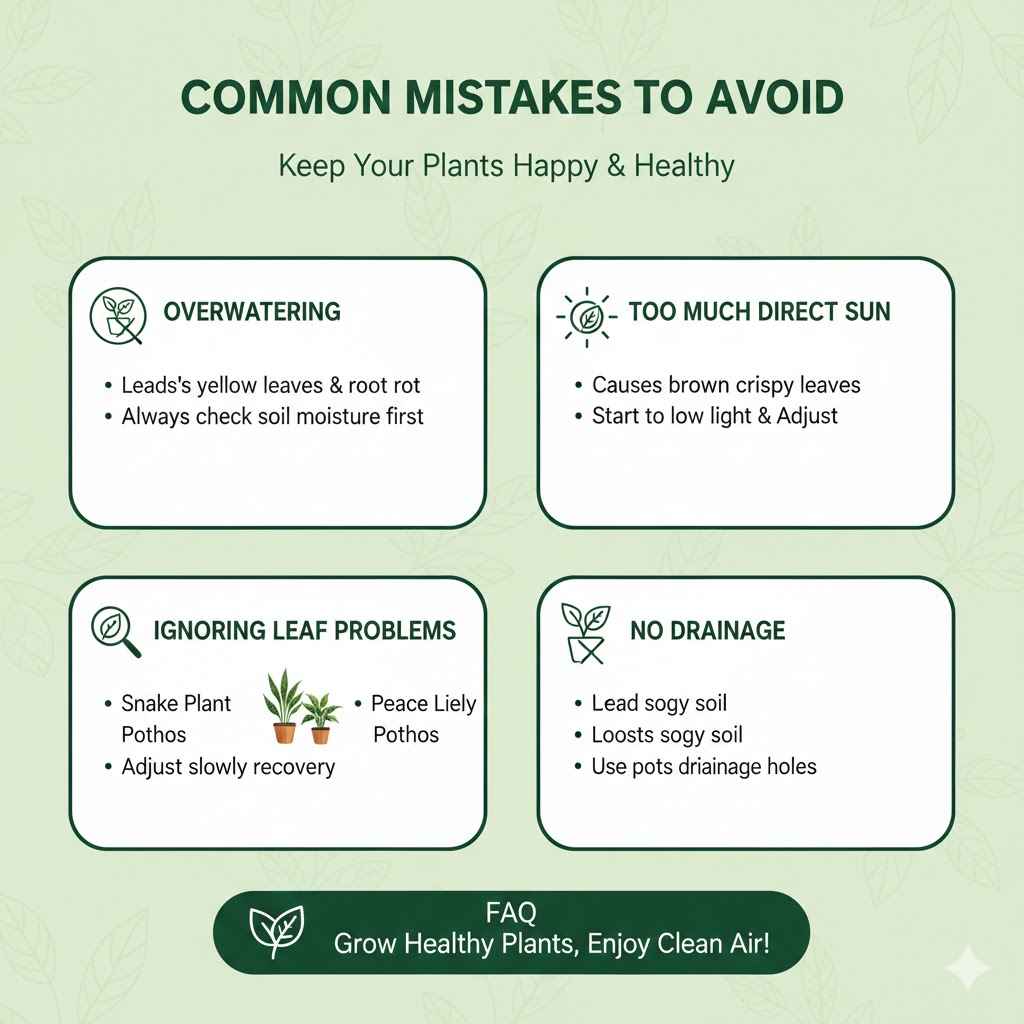
Many beginners overwater, leading to yellow leaves or rot. Always check soil first. Too much direct sun scorches leaves. Start in low light and move if needed. If leaves brown, adjust water or light slowly.
FAQ
Do air-purifying plants really clean indoor air?
Yes, studies like NASA’s show they remove toxins. While not as strong as machines, they help naturally and add oxygen and beauty.
Which plant is best for low light?
Snake Plant and Peace Lily do great in low light. Spider Plant prefers a bit more but tolerates shade.
Are these plants safe for pets?
Spider Plant and Snake Plant are generally safe. Peace Lily is toxic—keep away from cats and dogs.
How often should I water these plants?
Snake Plant: every 2–4 weeks. Spider Plant: weekly. Peace Lily: when droopy, about weekly.
Can these plants help with allergies?
Yes, by removing toxins and adding humidity, they reduce dust and allergens for fresher breathing.
What if my plant looks sad?
Check water, light, and soil. Droopy Peace Lily needs water. Yellow Snake Plant leaves mean too much water.
Where can I buy these plants?
Local nurseries, garden centers, or online. Start with small sizes—they grow fast!
Conclusion
Adding the Snake Plant, Spider Plant, and Peace Lily to your home is one of the easiest ways to improve air quality and enjoy nature indoors. These proven air purifiers are forgiving, beautiful, and rewarding for beginners. Start with one or two, watch them thrive, and feel the fresh difference. Gardening builds confidence—one healthy leaf at a time. You’ve got this! Your home will soon feel cleaner, calmer, and full of life. Happy planting!