
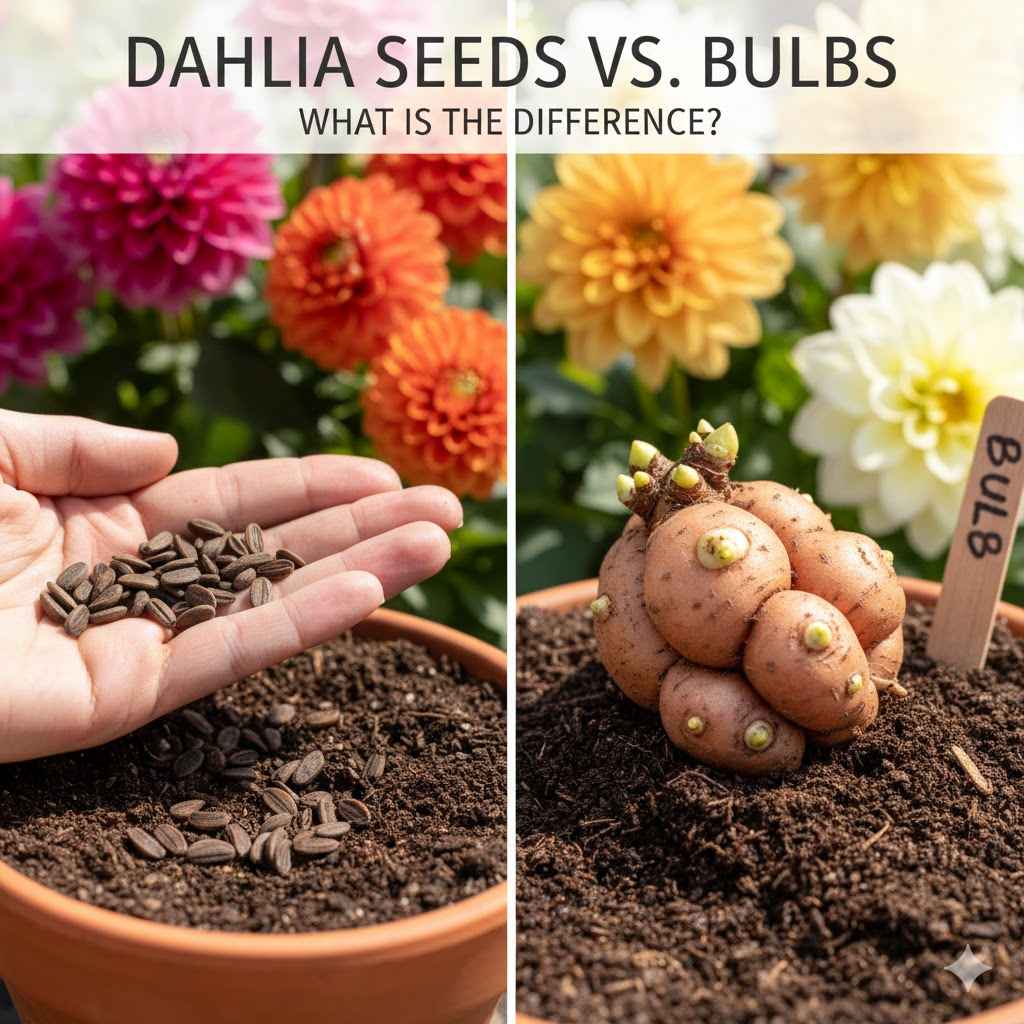
Dahlia tubers are clones that produce flowers identical to the parent plant, offering predictable results and blooming faster. Dahlia seeds are the result of pollination and create brand-new, unique varieties, making them a fun surprise but taking longer to flower. Tubers are for reliability; seeds are for adventure and budget-friendly gardening.
Welcome, fellow garden enthusiast! If you’ve ever dreamed of growing those big, beautiful dahlias you see in magazines, you’re in the right place. But one of the first questions that pops up is: should I start with dahlia seeds or “bulbs”? It can feel a little confusing, especially when you’re just starting out.
Don’t worry! I’m here to clear it all up. Think of me as your friendly gardening mentor, ready to walk you through it. We’ll break down the difference between dahlia seeds and tubers (which are often called bulbs) in simple terms. By the end of this guide, you’ll feel confident choosing the perfect starting point for your own dahlia patch. Let’s dig in and get you ready to grow something amazing!
First Things First: It’s a Tuber, Not a Bulb!
Before we go any further, let’s clear up a common mix-up. While many people call them “dahlia bulbs,” what you’re actually buying is a tuber or, more accurately, a tuberous root. What’s the difference?
- True Bulbs (like tulips or onions): These are like little layered packages with a complete, tiny plant inside, waiting to grow. They have a papery outer skin and a distinct top and bottom.
- Tubers (like dahlias or potatoes): These are swollen, fleshy roots that act as food storage for the plant. They don’t have layers. Instead, they have “eyes” or growth points from which new stems will sprout.
For the rest of this guide, I’ll refer to them as tubers, so you know exactly what we’re talking about. Now, let’s explore what makes them so different from seeds.

Understanding Dahlia Tubers: The Path to Predictable Beauty
A dahlia tuber is essentially a genetic copy, or a clone, of its parent plant. When you plant a tuber from a variety named ‘Café au Lait,’ you are guaranteed to get ‘Café au Lait’ flowers. It’s a reliable and straightforward way to get exactly the color, size, and form you want.
Pros of Growing Dahlias from Tubers
- Guaranteed Results: You know exactly what you’re going to get. The flower color, shape, and plant height will match the parent plant perfectly. This is ideal if you’re designing a specific color scheme for your garden.
- Faster Flowers: Tubers have a huge head start. They have stored energy ready to go, so they typically produce larger plants and bloom much earlier in the season than seed-grown plants.
- Bigger First-Year Plants: Because of that stored energy, a plant grown from a tuber will be more robust and produce more flowers in its very first year.
- Perennial Potential: In warmer climates (USDA Zones 8 and up), you can leave tubers in the ground, and they will come back year after year. In colder zones, you can dig them up and store them for the winter.
Cons of Growing Dahlias from Tubers
- Higher Cost: A single dahlia tuber can cost anywhere from a few dollars to over twenty dollars for rare or in-demand varieties. Filling a large garden bed can become expensive.
- Winter Storage Required (in cold climates): If you live where the ground freezes, you’ll need to dig up your tubers after the first frost, clean them, and store them in a cool, dark place until spring. This can be a bit of work.
- Risk of Rot or Disease: Tubers can rot if the soil is too wet, and they can sometimes carry diseases from the previous season if not sourced from a reputable supplier.
Understanding Dahlia Seeds: The Thrill of the Unknown
Dahlia seeds are the result of a flower being pollinated—just like with most other plants. Each seed is a brand-new genetic combination, created from the pollen of one dahlia and the ovule of another. This means every single seed holds the potential for a completely new and unique dahlia variety!
Pros of Growing Dahlias from Seeds
- Very Inexpensive: You can buy a packet of dahlia seeds for the price of a single tuber, giving you dozens of potential plants for just a few dollars. It’s the most budget-friendly way to grow dahlias.
- The Joy of Surprise: This is the biggest draw for many gardeners! You never know exactly what you’ll get. You could discover a stunning new color combination or a unique flower form that no one has ever seen before. It’s like a garden lottery!
- No Winter Storage Needed: Seeds are easy to store. You don’t have to worry about digging, cleaning, and storing bulky tubers over the winter.
- Create Your Own Varieties: Growing from seed is the first step in breeding your own dahlias. You can save the tubers from your favorite seed-grown plants at the end of the season and grow them as a named variety the following year.
Cons of Growing Dahlias from Seeds
- Unpredictable Results: The surprise factor is also the biggest drawback. You have no guarantee of color, size, or form. Many seed-grown dahlias will be simple, single-petal flowers rather than the large, complex “dinnerplate” types.
- Slower to Mature: Plants grown from seed need to build their entire root system from scratch. They will start smaller and bloom later in the season compared to tuber-grown plants.
- More Upfront Work: To get a head start, dahlia seeds should be started indoors 6-8 weeks before your last frost date, which requires seed trays, soil, and often grow lights.
- Smaller First-Year Tubers: While a seed-grown plant will produce a tuber in its first year, it will often be much smaller than one you’d buy from a store.
Side-by-Side Comparison: Dahlia Tubers vs. Dahlia Seeds
Sometimes, seeing the information in a table makes it easier to decide. Here’s a quick breakdown of the key differences.
| Feature | Dahlia Tubers | Dahlia Seeds |
|---|---|---|
| Cost | Higher per plant | Very low per plant |
| Time to Flower | Faster (early to mid-summer) | Slower (mid to late summer) |
| Predictability | 100% predictable (a clone) | 0% predictable (a surprise) |
| First-Year Plant Size | Large and robust | Smaller and more delicate initially |
| Variety | You get the specific variety you buy | You get a random mix of new varieties |
| Winter Care | Requires digging and storing in cold climates | None (seeds are stored dry at room temp) |
| Best For | Gardeners who want specific colors, large blooms this year, and reliable results. | Adventurous gardeners, those on a budget, and people who enjoy breeding new plants. |
How to Plant Dahlia Tubers: A Step-by-Step Guide for Beginners
Ready to plant some tubers? It’s easier than you think! Follow these simple steps for big, beautiful blooms.
- Wait for the Right Time: Plant your dahlia tubers outside only after all danger of frost has passed. The soil temperature should be around 60°F (15°C). You can find your area’s average last frost date using a tool like The Old Farmer’s Almanac frost date calculator.
- Choose a Sunny Spot: Dahlias are sun-lovers! They need at least 6-8 hours of direct sunlight per day to produce abundant flowers.
- Prepare the Soil: Dahlias need well-draining soil. If you have heavy clay, amend it with compost to improve drainage and add nutrients. Dig a hole about 4-6 inches deep.
- Place the Tuber: Lay the tuber horizontally in the hole with the “eye” or sprouting point facing up. If you can’t find an eye, don’t worry—it will find its way up! If you’re planting a tall variety, now is the best time to put a sturdy stake in the ground a few inches away from the tuber to avoid damaging it later.
- Cover and Wait: Cover the tuber with soil and gently pat it down. Do not water it yet! Watering before you see green shoots can cause the tuber to rot. The tuber has enough moisture and energy stored to get started on its own.
- Water After Sprouting: Once you see the first green sprouts emerge from the soil (this can take a few weeks), you can start watering. Give your dahlia a deep watering 1-2 times a week, depending on the heat and rainfall.
How to Grow Dahlias from Seed: Your Adventure Begins
If you’ve chosen the path of surprise and savings, here’s how to get your dahlia seeds started for a great season.
- Start Indoors Early: To give your plants a head start, sow seeds indoors about 6-8 weeks before your last expected frost date.
- Gather Your Supplies: You’ll need seed-starting trays or small pots, a quality seed-starting mix, and a sunny window or grow lights.
- Sow the Seeds: Fill your trays with moist seed-starting mix. Plant the seeds about 1/4 inch deep. You can place 2-3 seeds per cell and thin them to the strongest seedling later.
- Provide Light and Warmth: Cover the tray with a clear plastic dome to keep humidity high. Place it in a warm spot. Seeds typically germinate in 5-14 days. Once they sprout, remove the cover and place them under grow lights or in your sunniest window.
- Keep Them Watered: Keep the soil consistently moist but not soggy. Water from the bottom if possible to encourage strong root growth.
- Harden Them Off: About a week before you plan to plant them outside, you need to acclimate your seedlings to outdoor conditions. This process is called “hardening off.” Start by placing them outside in a shady, protected spot for an hour, then bring them back in. Gradually increase the time and sun exposure over 7-10 days.
- Plant in the Garden: Once the danger of frost has passed and your seedlings are hardened off, plant them in your prepared garden bed, spacing them about 12-18 inches apart. Water them in well.
So, Which One Is “Best” for You?
The “best” way to grow dahlias truly depends on your goals, budget, and personality as a gardener. Let’s make it simple:
You should grow from TUBERS if:
- You have a specific garden design or color palette in mind.
- You want the biggest, most impressive flowers you can get in the very first season.
- You prefer reliability and predictability over surprises.
- You don’t mind the higher upfront cost for guaranteed results.
You should grow from SEEDS if:
- You are gardening on a tight budget and want a lot of plants for a low cost.
- You love surprises and the thrill of seeing what new flower you might create.
- You want to fill a large space, like a cottage garden or a cutting garden, without breaking the bank.
- You’re interested in the idea of hybridizing and creating your own unique dahlia varieties.
Many gardeners, including myself, do both! I plant tubers for my favorite, reliable varieties that are the stars of the garden, and I also sow a flat of seeds just for the fun and adventure of it all.
A Quick Note on Saving Your Tubers
Whether you start from a purchased tuber or a seed, your dahlia plant will produce a clump of tubers by the end of the season. If you live in a cold climate, you can save them for next year!
After the first hard frost kills the top of the plant, carefully dig up the clump of tubers. Gently wash off the dirt, let them dry for a day, and then store them in a box with peat moss, wood shavings, or sand. Keep the box in a cool, dark, and frost-free place (like a basement or garage) until it’s time to plant again next spring. For detailed instructions, the University of Minnesota Extension has an excellent guide on dahlia care and storage.

Frequently Asked Questions (FAQ)
1. Are dahlia “bulbs” and dahlia tubers the same thing?
Yes, in garden centers and online stores, the term “dahlia bulbs” is commonly used to refer to dahlia tubers. Botanically, they are tuberous roots, not true bulbs, but the terms are often used interchangeably by sellers.
2. Can I get flowers in the first year from dahlia seeds?
Absolutely! Dahlias grown from seed will flower in their first year. However, they will typically start blooming a bit later in the summer than plants grown from tubers, and the plants may be slightly smaller overall.
3. Do dahlias come back every year?
It depends on your climate. In USDA hardiness zones 8-11, dahlias can be left in the ground and will grow back as perennials. In zones 7 and colder, the ground freezes too hard, and the tubers must be dug up in the fall and stored indoors for the winter to be replanted in the spring.
4. Why didn’t my dahlia tuber sprout?
There are a few common reasons. The most frequent cause is rotting from being watered too early, before shoots appeared. Other possibilities include planting too deep, the tuber having no viable “eye” (a blind tuber), or it may have dried out completely during storage.
5. Is it hard to grow dahlias from seed?
Not at all! If you have ever started tomatoes or zinnias from seed indoors, you can easily grow dahlias. They germinate quickly and are vigorous growers. The key is starting them indoors early enough to give them a head start before planting them out.
6. Will the tubers from my seed-grown dahlias produce the same flower next year?
Yes! Once a seed-grown dahlia produces a flower and a tuber, that tuber becomes a clone. If you save that tuber and plant it the following year, it will produce a plant with flowers identical to the one you grew from seed. This is how new varieties are created and stabilized.
Conclusion: Your Dahlia Journey Awaits
Whether you choose the predictable path of tubers or the exciting adventure of seeds, growing dahlias is one of the most rewarding experiences a gardener can have. There is no right or wrong answer—only the one that’s right for you and your garden.
Tubers offer the instant gratification of knowing you’ll get that perfect, dreamy bloom you saw in a catalog. Seeds offer the thrill of discovery, the chance to grow something completely unique that is yours and yours alone. Why not try a few of each?
Don’t be afraid to experiment. Gardening is all about learning, growing, and enjoying the beauty you help create. So pick your starting point, get your hands dirty, and get ready to fall in love with the dazzling world of dahlias. Happy planting!