
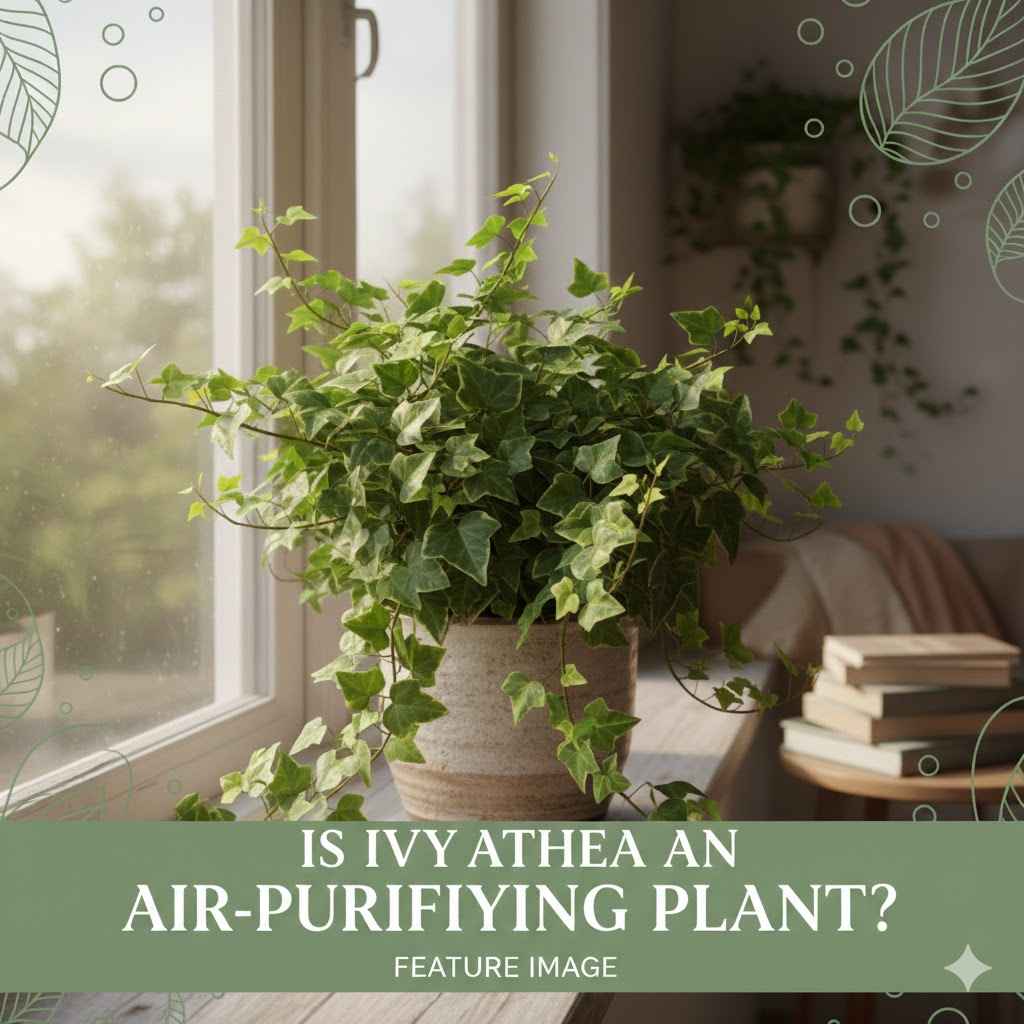
Yes, English Ivy (Hedera helix) is considered an air-purifying plant, especially based on NASA’s famous 1989 Clean Air Study. It helps remove toxins like benzene, formaldehyde, and trichloroethylene from indoor air. Many beginners love it as a low-maintenance trailing houseplant that adds beauty while boosting air quality in homes.
Many new gardeners wonder if common houseplants like ivy really clean the air or if it’s just a nice idea. Poor indoor air can make you feel tired or cause allergies, especially in closed rooms. The good news? English Ivy stands out as one of the top plants for this job. In this guide, I’ll walk you through why it works, how well it purifies air, care tips for beginners, and more. By the end, you’ll feel ready to add this friendly plant to your space and enjoy fresher air.
What Makes English Ivy an Air-Purifying Plant?
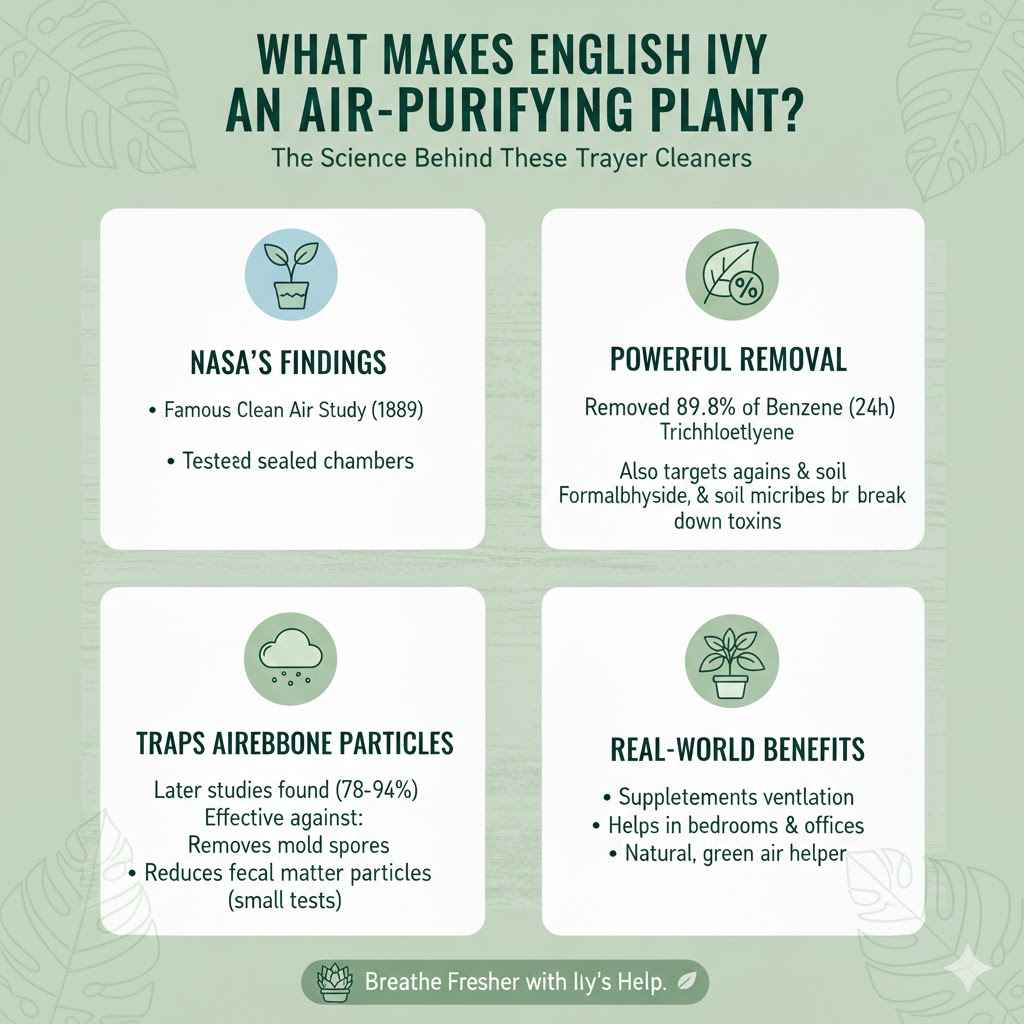
English Ivy earned its spot on air-purifying lists thanks to research from NASA. In their Clean Air Study, scientists tested plants in sealed chambers to see if they could remove harmful chemicals from the air. These chemicals, called volatile organic compounds (VOCs), come from paints, cleaners, furniture, and more.
English Ivy did very well. It removed up to 89.8% of benzene in 24 hours and showed strong results against formaldehyde and trichloroethylene. The plant’s leaves and roots work together with helpful microbes in the soil to break down these toxins.
Later studies also found English Ivy can trap airborne particles like mold spores and even some fecal matter particles (up to 78-94% in small tests over 12 hours). While real homes aren’t sealed like labs, adding a few ivy plants can still help improve air over time, especially in bedrooms or offices.
Of course, no plant replaces good ventilation or an air filter, but ivy is a natural, green helper that looks lovely too.
Benefits of Growing English Ivy as a Houseplant
English Ivy offers more than just air cleaning. Here are the main perks for beginners:
- Air purification: Removes benzene, formaldehyde, xylene, toluene, and airborne mold.
- Easy trailing growth: Perfect for hanging baskets, shelves, or climbing on trellises.
- Low light tolerance: Grows well in shady indoor spots where other plants struggle.
- Humidity helper: Adds a bit of moisture to dry rooms through its leaves.
- Stress reducer: Caring for plants like ivy boosts mood and makes your home feel calmer.
Potential Drawbacks and Safety Notes
Like any plant, English Ivy has a few cons. It’s toxic if eaten, so keep it away from pets and small children. The sap can irritate skin too, so wear gloves when handling it.
Some recent reviews question how much air cleaning happens in big, real rooms (you might need many plants for big effects). Still, its other benefits make it worth growing.
| Pros of English Ivy | Cons of English Ivy |
|---|---|
| Excellent at removing VOCs like benzene and formaldehyde | Toxic to pets and children if ingested |
| Thrives in low to medium light | Can cause skin irritation from sap |
| Attractive trailing or climbing habit | May need occasional pruning to control growth |
| Helps reduce mold spores in studies | Not as effective in large, ventilated rooms without many plants |
| Low-maintenance for beginners | Can become invasive outdoors in some areas |
How to Care for English Ivy Indoors (Beginner Step-by-Step)
Growing English Ivy is simple and forgiving. Follow these easy steps to keep yours healthy and thriving.
- Choose the right spot: Place it in bright, indirect light. Avoid direct sun, which can scorch leaves. North or east windows work great.
- Pick a good pot and soil: Use a pot with drainage holes. Fill with well-draining potting mix (add perlite if needed).
- Water wisely: Keep soil moist but not soggy. Water when the top inch feels dry. Overwatering causes root rot.
- Provide humidity: Mist leaves or use a pebble tray. Ivy loves 40-60% humidity.
- Fertilize lightly: Feed every 4-6 weeks in spring and summer with balanced houseplant fertilizer (half strength).
- Prune and train: Trim long stems to shape it. Guide vines on supports if you want it to climb.
- Watch for pests: Check for spider mites or aphids. Rinse leaves or use insecticidal soap if needed.
Best Varieties of English Ivy for Air Purification and Home Use
Different types suit different spaces. Here are popular ones:
| Variety | Leaf Look | Best For | Air-Purifying Notes |
|---|---|---|---|
| Standard English Ivy (Hedera helix) | Dark green, lobed leaves | Hanging baskets, shelves | Top performer in NASA tests |
| Glacier Ivy | Variegated white-green | Bright rooms | Similar purification, pretty contrast |
| Goldchild Ivy | Green with gold edges | Low-light spots | Good air cleaner, adds brightness |
| Needlepoint Ivy | Small, pointed leaves | Tight spaces or topiaries | Dense foliage traps particles well |
How Many English Ivy Plants Do You Need?
NASA suggested 1-2 good-sized plants per 100 square feet for noticeable effects. Start with 2-3 in average rooms. More plants mean better results, but even one adds charm and some cleaning power.
Common Mistakes Beginners Make with English Ivy
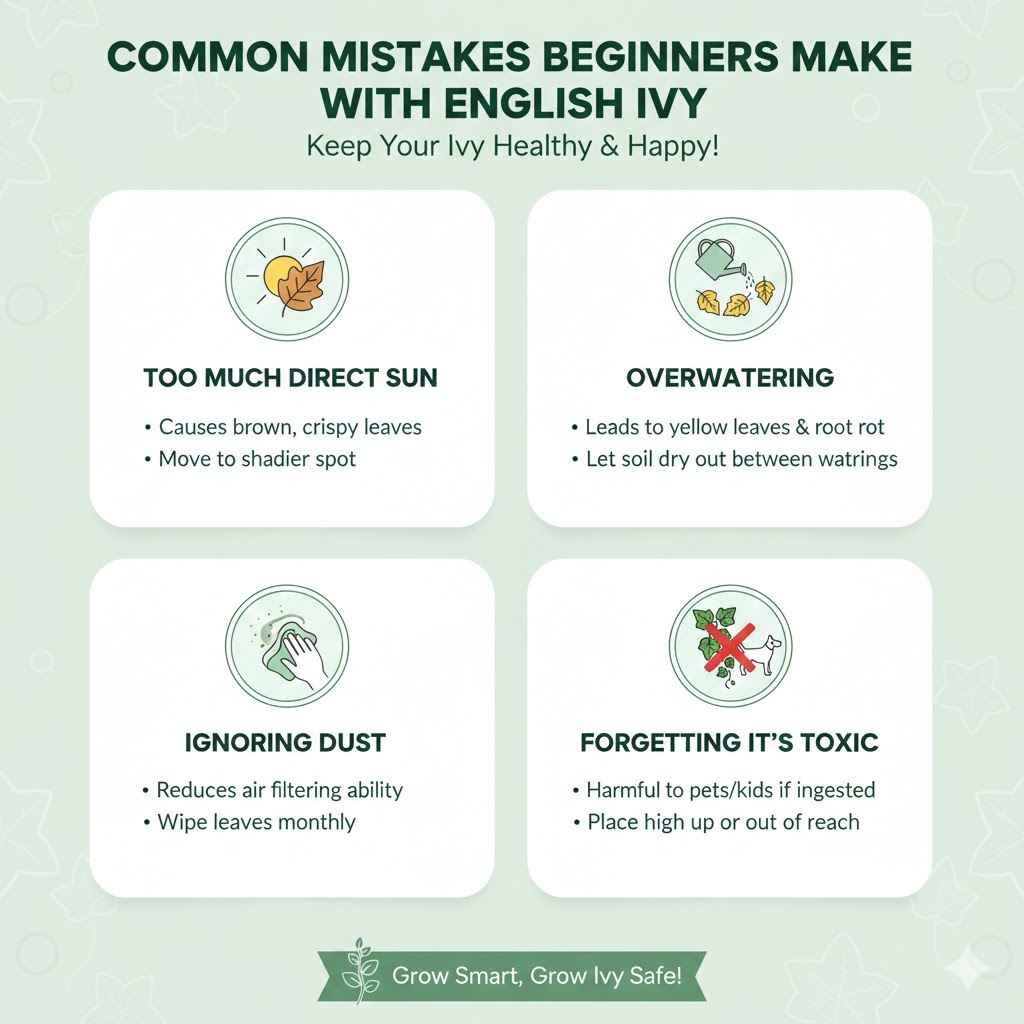
- Too much direct sun – causes brown, crispy leaves.
- Overwatering – leads to yellow leaves and rot.
- Ignoring dust – wipe leaves monthly for best air filtering.
- Forgetting it’s toxic – place high up if you have pets/kids.
- Letting it dry out completely – ivy likes steady moisture.
FAQ
Is English Ivy really good at purifying air?
Yes, studies like NASA’s show it removes benzene, formaldehyde, and other toxins well in controlled tests. It also traps mold spores.
Is English Ivy safe for pets?
No, it’s toxic if chewed. Keep out of reach of cats, dogs, and kids. Symptoms include vomiting or mouth irritation.
How fast does English Ivy grow indoors?
It grows moderately fast in good conditions – a few inches per month. Prune to keep it tidy.
Can English Ivy grow in low light?
Yes, it handles shade better than most houseplants, though medium indirect light is best for health and air cleaning.
Does English Ivy reduce mold in homes?
Research shows it can lower airborne mold spores significantly in small spaces, making it helpful for allergy sufferers.
How do I propagate English Ivy?
Take 4-6 inch stem cuttings, remove lower leaves, and place in water or soil. Roots form in 2-4 weeks.
Is English Ivy invasive?
Indoors, no. Outdoors in some areas, yes – it can spread fast, so don’t plant in gardens where it might escape.
English Ivy is a wonderful choice for beginners who want a pretty, helpful houseplant. It brings green beauty, trails elegantly, and supports cleaner air in your home. With simple care – right light, steady moisture, and a watchful eye – your ivy will thrive and reward you for years.
Start small with one or two plants. Watch them grow, enjoy the fresher feel in your rooms, and feel proud that you’re making your space healthier the natural way. Gardening is about joy and small wins – you’ve got this! Happy planting.