
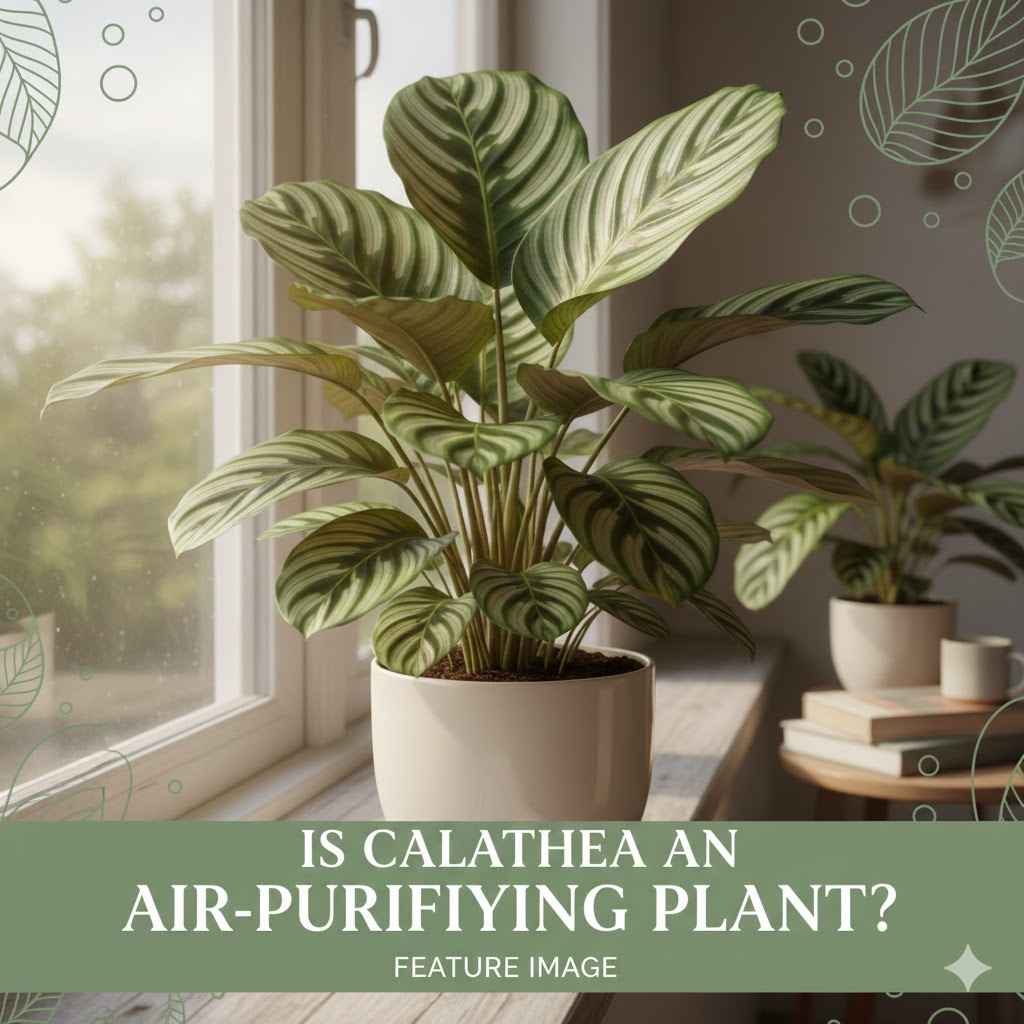
Quick Summary: Yes, Calathea is considered an air-purifying plant. It helps remove toxins like benzene and formaldehyde from indoor air, while adding beauty and humidity. Many sources, including references to NASA’s Clean Air Study, list it as a good choice for cleaner, fresher home air.
Have you ever wondered if your pretty Calathea is doing more than just looking nice? Many new plant owners ask: Is Calathea an air-purifying plant? The short answer is yes! These lovely plants with their colorful, patterned leaves can help clean the air in your home. Indoor air can get stuffy with things like paint fumes or cleaning products. Calathea steps in to help filter some of those bad bits out. Don’t worry if you’re new to plants – this guide will walk you through everything in simple steps. You’ll learn why Calathea purifies air, how well it works, and easy ways to care for it so it thrives and keeps helping your home feel fresh.
Next, we’ll look at the facts behind Calathea’s air-purifying powers, what toxins it targets, and simple care tips to keep your plant happy and healthy.
What Makes Calathea an Air-Purifying Plant?
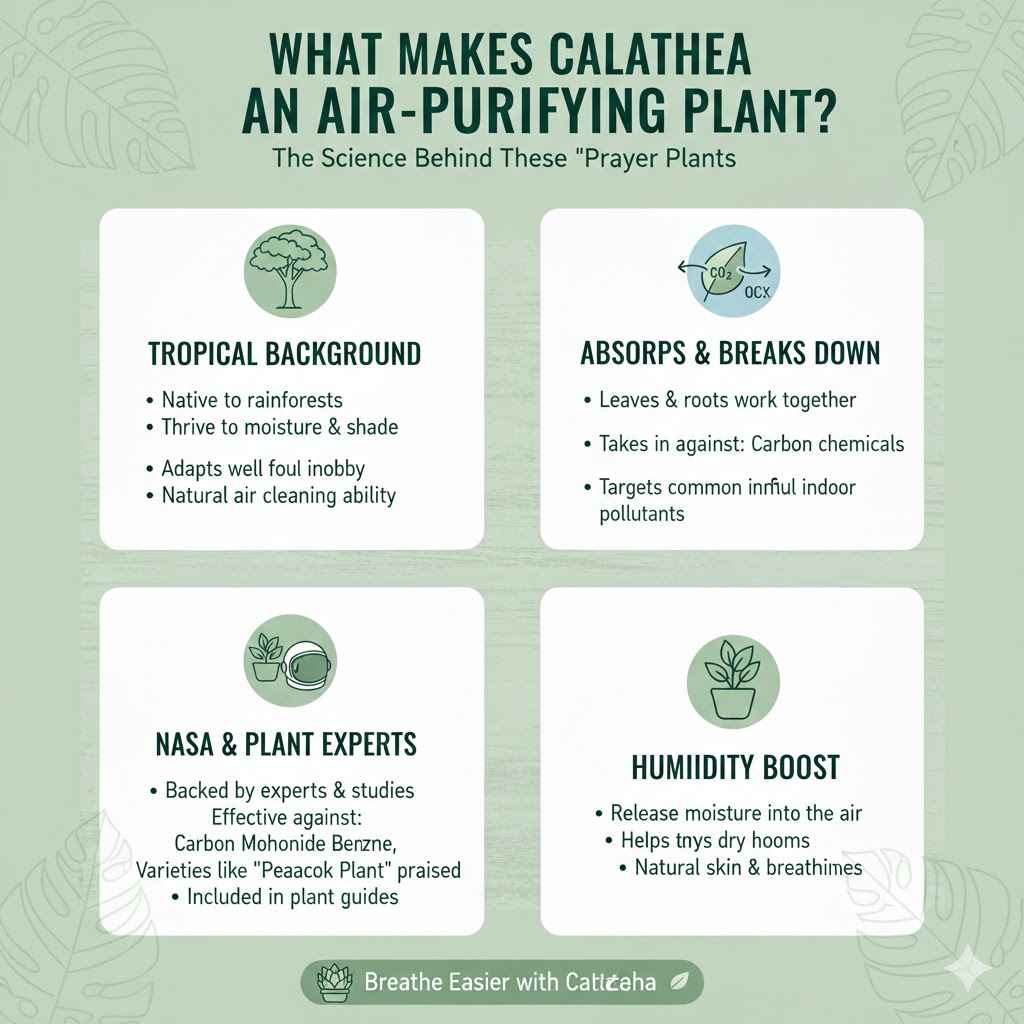
Calathea plants, often called prayer plants because their leaves fold up at night like praying hands, come from tropical rainforests. In their natural home, they grow under tree canopies with lots of moisture and shade. This background helps them do well indoors and clean air at the same time.
Plants clean air through a process where their leaves and roots work together. They take in bad chemicals (called VOCs or volatile organic compounds) and break them down. Calathea is good at this for certain common indoor pollutants.
The famous NASA Clean Air Study from 1989 showed that some houseplants can remove toxins like benzene, formaldehyde, and more from sealed spaces. While Calathea wasn’t always at the top of NASA’s main list, many extensions and plant experts include varieties like Calathea makoyana (Peacock Plant) for removing benzene, carbon monoxide, and formaldehyde. Sources like Our Houseplants and other plant guides rank it among helpful air cleaners.
Calathea also boosts humidity as it “breathes” – a nice bonus for dry homes, especially in winter. Higher humidity feels better for your skin and breathing too.
Toxins Calathea Helps Remove
Here are the main pollutants Calathea targets:
- Benzene: Found in paints, glues, and smoke. It can irritate eyes and skin.
- Formaldehyde: In furniture, carpets, and cleaners. Long exposure may cause health issues.
- Carbon monoxide: From some household sources – Calathea helps reduce traces.
- Other VOCs: Like toluene and xylene in some cases.
While one plant won’t clean a whole room like a machine, a few Calatheas (or mixed with other plants) make a real difference over time. The EPA notes that indoor plants support better air when used with good habits like ventilation. For more on toxins, check the EPA’s guide on VOCs.
Benefits of Having Calathea for Air Quality and More
Besides purifying air, Calathea brings extra joys:
| Benefit | How It Helps |
|---|---|
| Air Cleaning | Filters toxins like benzene and formaldehyde |
| Humidity Boost | Adds moisture to dry indoor air |
| Beauty | Stunning leaves with patterns and colors |
| Pet-Friendly | Non-toxic to cats and dogs |
| Stress Relief | Plants make rooms feel calm and happy |
These perks make Calathea a great pick for beginners who want both health and style.
Is Calathea the Best Air-Purifying Plant?
Calathea is good, but not the absolute top performer. Plants like Snake Plant, Peace Lily, and Spider Plant often rank higher in NASA’s original work for removing more toxins faster. Calathea shines in medium-low light and high humidity spots, making it perfect for bedrooms or bathrooms.
For best results, combine Calathea with other easy plants. Here’s a quick comparison:
| Plant | Light Needs | Main Toxins Removed | Beginner Ease |
|---|---|---|---|
| Calathea | Medium to low, indirect | Benzene, formaldehyde, CO | Medium (needs humidity) |
| Snake Plant | Low light OK | Benzene, formaldehyde, xylene | Very easy |
| Spider Plant | Bright indirect | Formaldehyde, xylene | Easy |
| Peace Lily | Low to medium | Many VOCs including ammonia | Easy |
Start with Calathea if you love its looks and can give it some extra care.
How to Care for Calathea as a Beginner
Calathea is rewarding but likes steady care. Follow these steps to keep it healthy and air-purifying.
1. Choose the Right Spot (Light)
Put your Calathea where it gets bright, indirect light. Avoid direct sun – it burns leaves. North-facing windows work great. Low light is OK, but growth slows.
2. Water Properly
Keep soil moist but not soggy. Water when the top inch feels dry. Use room-temperature, filtered, or rainwater – Calathea hates chemicals in tap water. Brown tips mean too little water or dry air.
- Check soil weekly with your finger.
- Water until it drains out the bottom.
- Empty the saucer so roots don’t sit in water.
- Mist leaves often for extra humidity.
3. Boost Humidity
Calathea loves 50-60% humidity or more. Group plants together, use a pebble tray with water, or run a humidifier. This keeps leaves vibrant and helps air purification.
4. Soil and Pot
Use well-draining, peat-based potting mix. Repot every 1-2 years in spring. Choose a pot with holes.
5. Temperature
Keep between 65-80°F (18-27°C). No cold drafts or heaters nearby.
6. Fertilizer
Feed monthly in spring and summer with half-strength balanced fertilizer. Skip in winter.
Common Problems and Fixes
New plant parents often see these issues – here’s how to fix them:
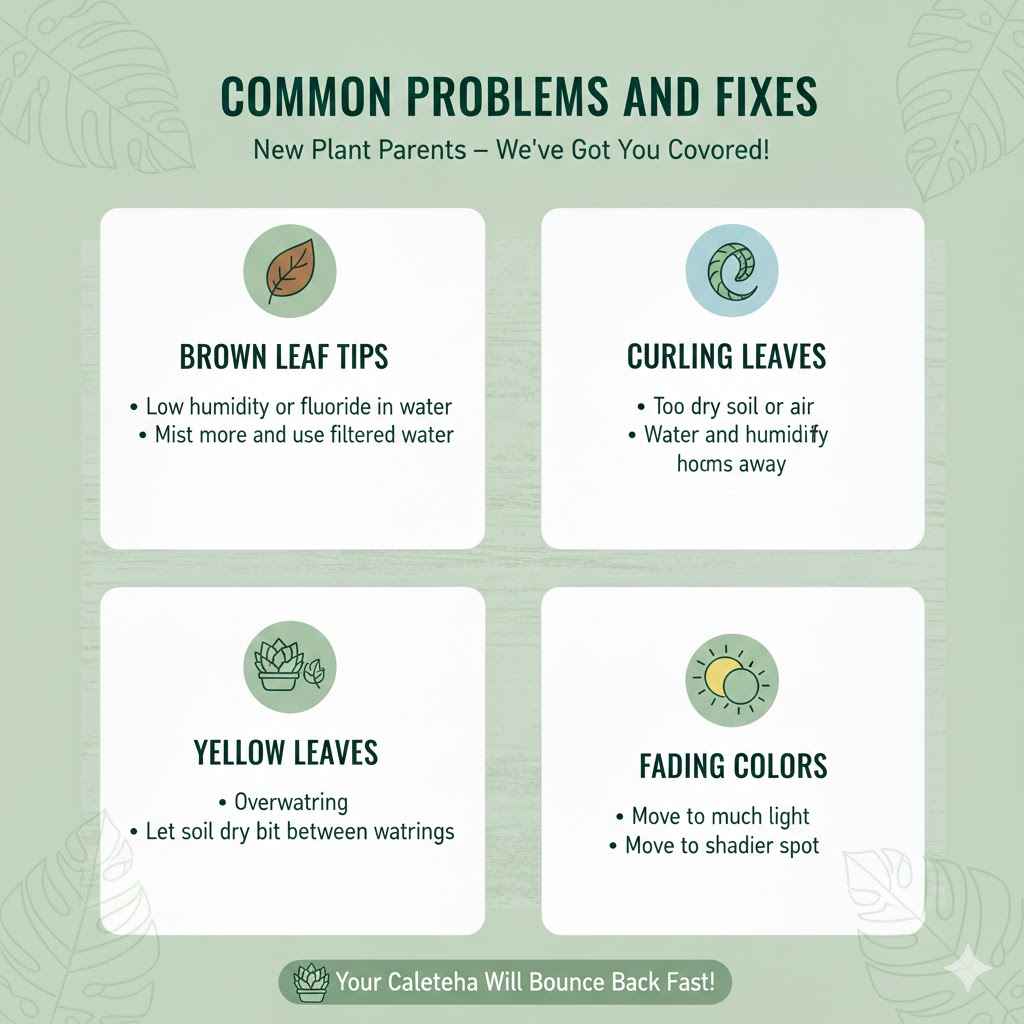
- Brown leaf tips: Low humidity or fluoride in water. Mist more and use filtered water.
- Curling leaves: Too dry soil or air. Water and humidify right away.
- Yellow leaves: Overwatering. Let soil dry a bit between waterings.
- Fading colors: Too much light. Move to shadier spot.
With these tips, your Calathea will bounce back fast.
FAQ
Is Calathea really good at purifying air?
Yes! It removes toxins like benzene and formaldehyde. While not the strongest, it’s effective and adds humidity too.
Does Calathea appear in the NASA Clean Air Study?
Some Calathea varieties like Peacock Plant (Calathea makoyana) are included in extended lists from NASA’s work. Many plant experts recommend it for air cleaning.
Is Calathea safe for pets?
Yes, Calathea is non-toxic to cats and dogs. Great for pet homes!
How many Calathea plants do I need to purify a room?
Start with 2-3 in a medium room. Combine with other plants for better results. One plant per 100 sq ft is a good rule from NASA ideas.
Can Calathea survive in low light?
Yes, it does well in low to medium indirect light. Avoid direct sun to prevent leaf burn.
Why do Calathea leaves curl?
Usually from dry soil or low humidity. Water evenly and mist regularly to fix it.
Is Calathea hard for beginners?
Not too hard if you focus on moisture and humidity. It’s forgiving and shows problems clearly so you can fix them fast.
Conclusion
So, is Calathea an air-purifying plant? Absolutely – it helps clean your indoor air while bringing stunning beauty to your space. With its ability to filter toxins like benzene and formaldehyde, plus its love for adding humidity, Calathea is a smart choice for any beginner gardener or plant lover. You don’t need fancy tools or perfect conditions to succeed. Just give it consistent care – the right light, steady moisture, and some extra humidity – and your Calathea will reward you with healthy leaves and fresher air.
Gardening is about joy and small wins. Start with one Calathea today. Watch it open its leaves each morning like a little prayer of thanks. You’ll feel proud seeing it thrive, knowing it’s helping your home feel cleaner and more alive. You’ve got this! Happy planting, and enjoy every green moment.