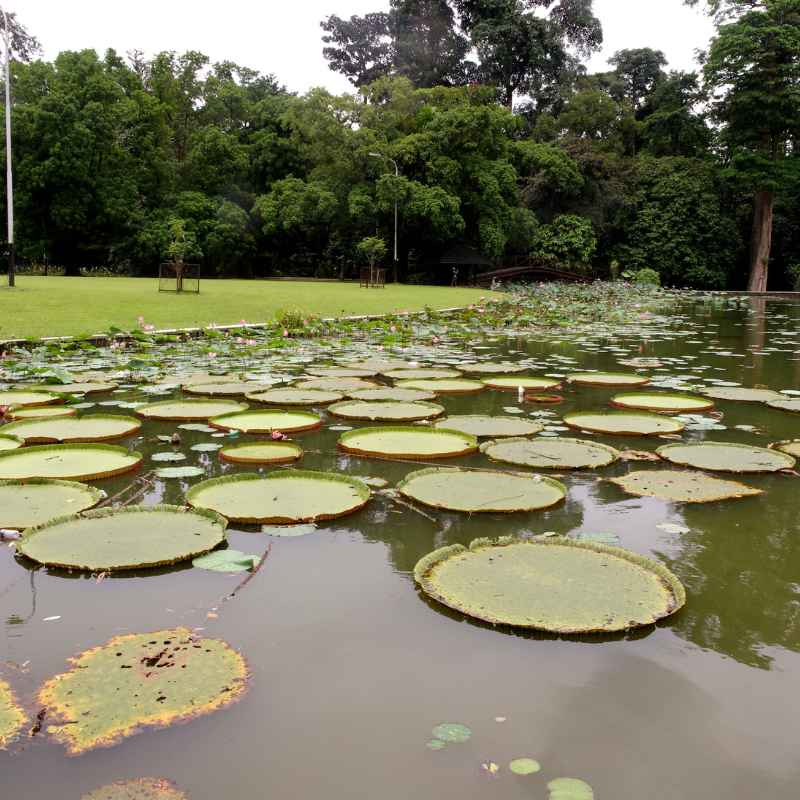

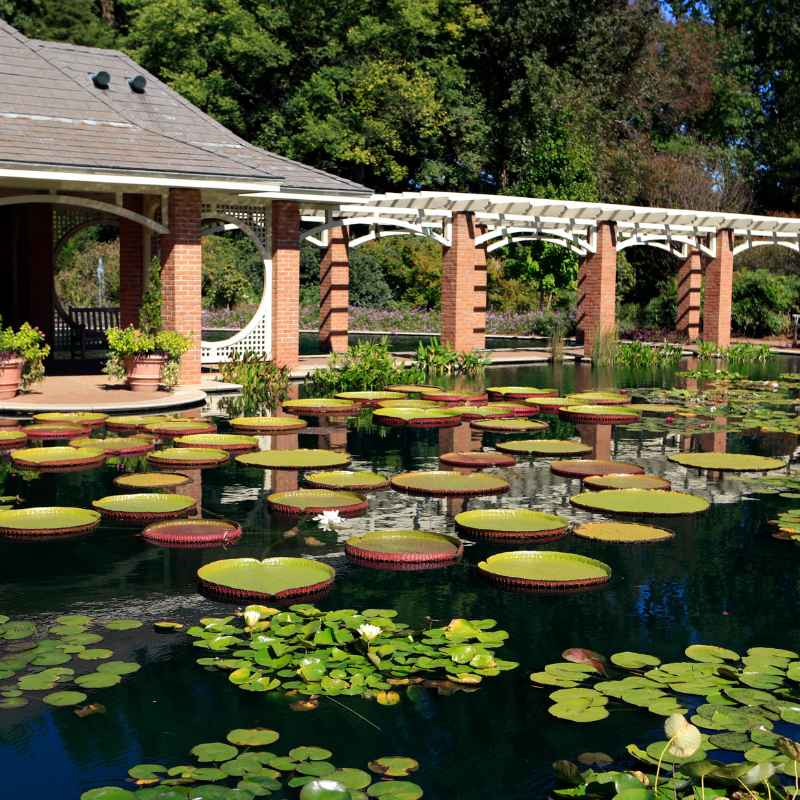
It’s a common sight, especially in older, well-established gardens. You’re enjoying a peaceful stroll, admiring the lush plants, and then you notice the water in the pond or stream. It’s not clear and sparkling.
Instead, it looks almost black, deep and mysterious. This can be a bit surprising, and maybe even a little worrying if you’re not used to it.
Many people wonder about this. Is it pollution? Is something wrong with the water?
The good news is, usually, there’s nothing to be alarmed about. This black water is often a sign of a healthy, natural system at work. It’s a natural phenomenon that happens in many aquatic environments, and botanical gardens are no exception.
Let’s dive into why this happens.
The black color in botanical garden water is typically due to natural organic compounds, like tannins, released from decaying leaves and other plant matter. This is a sign of a healthy, functioning pond ecosystem rather than pollution.
Understanding the Black Water Phenomenon
So, what exactly causes this dark hue? It’s mostly about what’s happening with the plant life around and in the water. Botanical gardens are designed to showcase a vast array of plants.
Many of these plants shed leaves, petals, and twigs over time. When these organic materials fall into the water, they start to break down.
This breakdown process is carried out by tiny organisms like bacteria and fungi. As they work, they release substances into the water. One of the most common culprits is something called tannins.
You might have heard of tannins before. They are found in things like tea and red wine, giving them their color and a bit of their taste.
In water bodies, tannins are like natural dyes. They leach out from decaying wood, leaves, and roots. The more organic matter there is, and the longer it sits in the water, the more tannins are released.
This makes the water take on a dark, tea-like color, which can appear almost black in deeper areas.
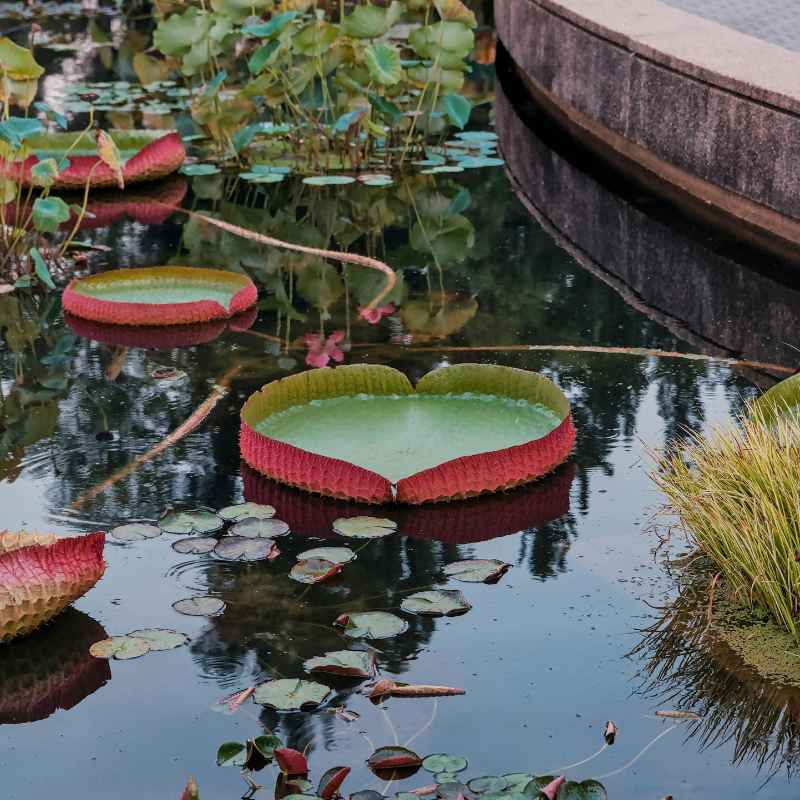
Where Do These Tannins Come From?
Think about the environment of a botanical garden. It’s a place where nature is encouraged to thrive. There are often many trees, shrubs, and aquatic plants.
The garden’s designers might even intentionally include plants that contribute to this natural process. They might want to mimic a natural bog or forest stream.
The leaves from oak trees, for instance, are very rich in tannins. As these leaves fall into the pond or stream, they decompose. This decomposition is a slow process.
It releases the tannins gradually into the water. The water then becomes stained, much like steeping a strong cup of black tea.
Another source of organic matter is submerged plants and roots. Even the soil at the bottom of the pond can contain organic material. This material also breaks down, adding to the pool of tannins and other dissolved organic compounds.
The result is that deep, dark color we see.
Tannins: Nature’s Own Dye
What they are: Tannins are complex organic compounds. They are produced by many plants.
Where they come from in gardens: Decaying leaves, twigs, bark, and roots. Especially from trees like oaks and maples.
Effect on water: They give water a brown to black color. They can also lower the water’s pH slightly.
Are they bad? Generally, no. They are a natural part of healthy water ecosystems.
The Role of Organic Matter
Tannins are a big part of the story, but they aren’t the only thing making the water look black. There’s a broader category called dissolved organic matter. This includes all the bits and pieces of plants and animals that break down over time.
When leaves, flowers, and even small insects decompose, they release a variety of compounds into the water. These compounds absorb light. This absorption is what makes the water appear darker.
The more of this organic matter there is, the less light can penetrate. This makes the water look opaque and black.
In a well-maintained botanical garden, the goal is often to create a natural-looking environment. This means allowing natural processes to occur. The accumulation of organic matter is a sign that the ecosystem is functioning as intended.
It provides food and habitat for many small organisms that are part of the water’s food web.
Mimicking Natural Ponds and Swamps
Many botanical gardens aim to recreate the look and feel of natural aquatic habitats. This includes ponds, streams, and even marshy areas. These natural environments often have dark water.
Think of a shaded forest pond or a slow-moving swamp creek.
These places are usually surrounded by trees and dense vegetation. Leaves and other plant debris constantly fall into the water. The water is often slow-moving, giving the organic material plenty of time to break down and release its coloring compounds.
The result is characteristically dark, tea-colored water.
Garden designers might use specific plants or landscape features to encourage this. They might create areas that mimic natural bogs, which are known for their dark, acidic waters due to high tannin content. This isn’t just for looks; it also supports specific types of plant and animal life that thrive in these conditions.
Experience: A Walk Through a Shaded Garden Pond
I remember one visit to a botanical garden years ago. It was a warm summer afternoon, and I was exploring a less-visited section. I came across a small, secluded pond.
Tall ferns and ancient-looking trees formed a canopy overhead, casting deep shadows on the water’s surface.
The water itself was incredibly dark. It looked like polished obsidian. I could barely see a few inches below the surface.
At first, I felt a slight unease, wondering if something was wrong. Was it stagnant? Was there some kind of industrial runoff?
Then I noticed the fallen leaves scattered around the edges and floating gently on top. There were also bits of moss and twigs submerged near the banks. The air was filled with the earthy scent of damp soil and decaying leaves.
I remembered reading about tannins and natural water coloration. The scene suddenly made perfect sense. It wasn’t a sign of neglect, but a beautiful testament to a thriving, natural ecosystem.
Quick Scan: Why Garden Water Looks Black
| Reason | Description |
|---|---|
| Tannins | Natural compounds from decaying leaves and wood. |
| Organic Matter | Bits of plants and small creatures breaking down. |
| Shade | Trees and plants block sunlight, making darkness more visible. |
| Slow Water Flow | Allows organic material to collect and decompose. |
What About Other Colors?
While black is common, sometimes water can look other colors too. Green water is usually due to algae. Algae are tiny plants that live in water.
Too much sunlight and nutrients can make them grow rapidly, turning the water a murky green.
Brown water can also be from tannins, but it might also indicate suspended soil particles. This could happen if there’s been heavy rain that washed soil into the pond. Sometimes, certain types of mineral deposits can give water a reddish or yellowish tint.
However, for the deep, inky blackness, tannins and other dissolved organic compounds are the main explanation. They are very effective at absorbing light, making the water appear dark even when it’s quite clean in terms of pollution.
Is It Safe for Wildlife?
This is a crucial point for any garden. The black water is generally very good for wildlife. The tannins and organic matter create an environment that many aquatic creatures thrive in.
Fish, insects, amphibians, and various invertebrates often prefer these conditions.
The dark color can actually provide some protection for small fish. It makes it harder for predators to spot them from above. The organic matter also serves as a food source for many small organisms that then become food for larger ones.
It’s a complete, natural cycle.
Many water plants also do well in tannin-rich water. These plants, in turn, provide shelter and oxygen for aquatic life. So, the black water isn’t a sign of danger; it’s often a sign of a healthy and balanced ecosystem.
Myth vs. Reality
Myth: Black water means pollution.
Reality: Black water is usually caused by natural tannins and organic matter from decaying plants.
Myth: Black water is unhealthy for fish.
Reality: Many fish and aquatic animals thrive in tannin-rich, dark water.
What Does This Mean for You as a Visitor?
When you visit a botanical garden and see black water, you can appreciate it for what it is. It’s a sign that the garden is embracing nature’s processes. It’s a carefully managed environment, but one that allows natural decomposition and ecosystem development.
It means you’re likely looking at a healthy pond or stream. The darker the water, the more established the ecosystem probably is. It’s a sign of maturity and natural balance.
You might also notice a rich diversity of plant life around the water’s edge, which is often supported by these conditions.
You don’t need to report it or worry about it. Instead, take a moment to observe. Look at the plants growing there.
See if you can spot any water insects or small creatures. The black water is part of a bigger, fascinating story of how nature works.
When to Potentially Be Concerned (Rare Cases)
While natural tannins cause dark water, there are rare instances where a sudden, unexplained change could signal a problem. If the water suddenly becomes black, foamy, or develops a strong chemical smell, that’s different.
A sudden fish kill in the pond would also be a red flag. These issues might point to accidental spills or other forms of pollution. In such cases, it’s appropriate to mention it to garden staff.
They have trained professionals who can assess the situation.
However, for the typical deep, tea-colored or black water seen in established garden ponds, especially those with lots of trees and plants, it’s almost always a natural phenomenon. It’s a sign of a healthy, functioning aquatic environment.
Observational Flow: A Healthy Garden Pond
Stage 1: Falling Leaves
Leaves, twigs, and flower petals from surrounding trees and plants fall into the water.
Stage 2: Decomposition Begins
Microbes like bacteria and fungi start breaking down the organic material.
Stage 3: Tannin Release
As material breaks down, tannins and other organic compounds are released into the water.
Stage 4: Water Darkens
These compounds absorb light, giving the water its characteristic brown or black appearance.
Stage 5: Ecosystem Thrives
The dark water and nutrient-rich environment support aquatic life, including plants, insects, and fish.
Quick Checks You Can Do (As a Visitor)
If you’re curious about the water, you can do a few simple observations:
- Look for plant debris: Are there fallen leaves, twigs, or flower petals in or around the water?
- Observe the surrounding plants: Are there many trees and shrubs that could be dropping material?
- Check for clarity: Can you see the bottom in shallow areas? If not, it’s likely due to tannins.
- Smell the air: Does it smell earthy and natural, or like chemicals? Natural decomposition has an earthy smell.
These simple checks can help confirm that you’re seeing a natural process at work. It’s a way to connect more deeply with the environment the garden is trying to create.
Frequent Questions About Black Garden Water
Is the black water at botanical gardens safe to touch?
Yes, the black water caused by natural tannins is generally safe to touch. It’s essentially like very strong tea. However, it’s always a good idea to wash your hands after touching any pond water, as there can be other natural microorganisms present.
Why do some garden ponds look clear while others are black?
The difference depends on several factors. Ponds with fewer surrounding trees and plants will have less organic matter. Also, if the water is frequently filtered or aerated, it can help keep it clearer.
Ponds with slow water flow and lots of decomposing leaves will naturally be darker.
Does black water mean the pond is dirty?
Not at all. Black water is usually a sign of a healthy, active ecosystem. It means organic material is decomposing, which provides nutrients for aquatic life.
“Dirty” often implies harmful pollution, which is different from natural tannins.
Can I make my own garden pond water black?
You can encourage natural darkening by planting trees and shrubs that shed leaves around your pond. Allowing fallen leaves to accumulate and decompose in the water will also naturally release tannins over time. Ensure the pond has slow water movement to allow this process.
Are tannins harmful to plants in the garden?
Tannins themselves are not typically harmful to most garden plants and are a natural component of many soils. In fact, some plants, like blueberries and azaleas, actually prefer acidic soil conditions that can be influenced by tannins.
How long does it take for water to turn black?
It can happen relatively quickly, especially if there’s a lot of organic matter introduced all at once, like after a storm that washes leaves into the pond. However, a sustained dark color comes from ongoing decomposition over weeks and months. The longer the organic material sits and breaks down, the darker the water becomes.
Conclusion
The next time you visit a botanical garden and encounter water that looks black, remember what you’ve learned. It’s not a sign of a problem, but a beautiful indicator of nature’s continuous cycle. It shows a healthy, thriving ecosystem at work, much like in the wild.
So, take a moment to appreciate this natural wonder. It’s a unique part of the garden’s charm, a testament to the beauty of decomposition and the vibrant life it supports. Enjoy the mystery and depth it adds to the garden’s watery landscapes.