
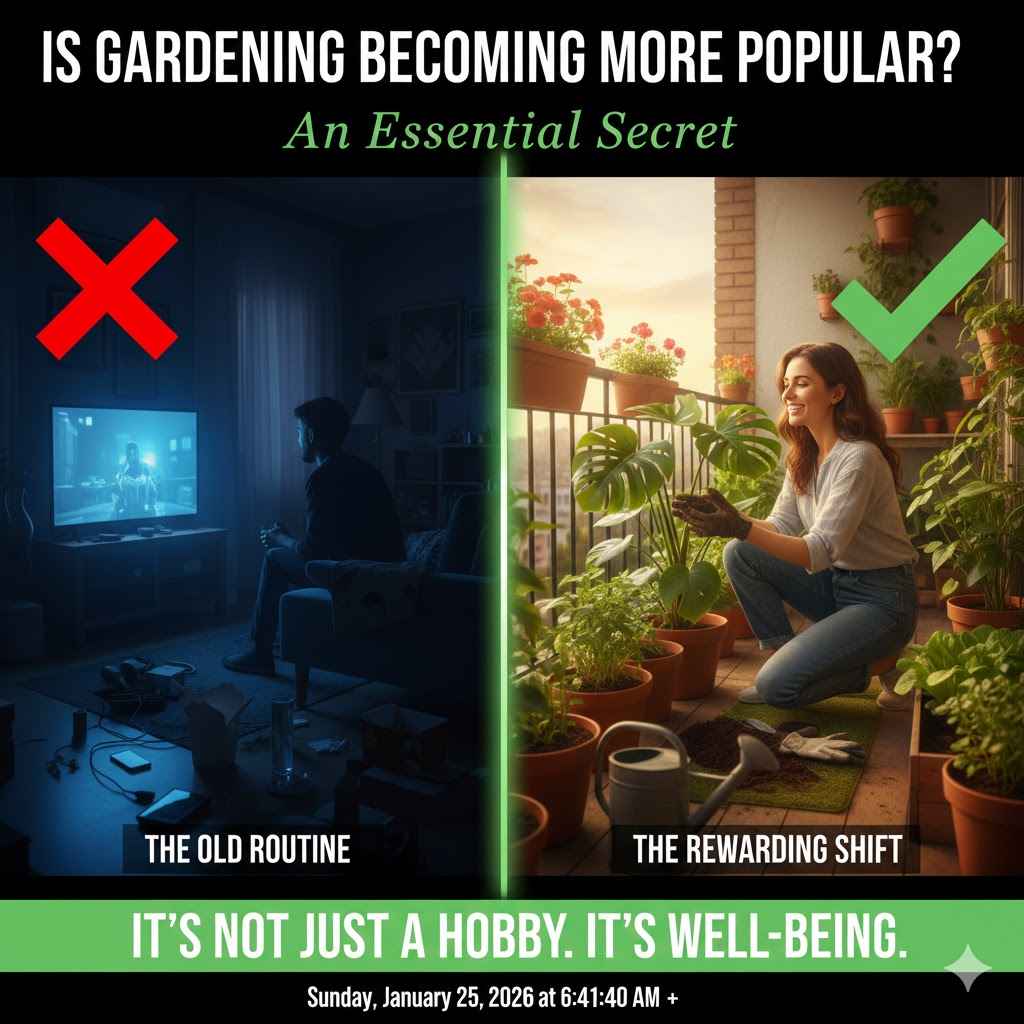
Yes, gardening is becoming more popular than ever. People are discovering its amazing benefits for mental health, sustainability, and connecting with nature. This guide reveals the secret to its rise and shows how you can easily join this green movement, even if you’re a total beginner. It’s simpler and more rewarding than you think!
Have you noticed more friends posting pictures of their plants? Or maybe you’ve felt a little pull toward the garden center yourself. You are not alone. More and more people are picking up a trowel and getting their hands dirty. It might seem like a sudden trend, but it’s much deeper than that.
Gardening is growing because it answers a need many of us feel. We want to slow down, connect with something real, and create a little bit of beauty in our world. Worried you don’t have a “green thumb?” Don’t be. I’m here to show you the simple secret behind this wonderful hobby and guide you every step of the way. Let’s explore why gardening is booming and how you can easily get started.
Welcome, future gardener! My name is Md Saiful Islam, and I’m here to be your friendly guide into the wonderful world of plants. I believe that anyone can learn to garden, and I love simplifying things so you can find joy and success from your very first seed. Today, we’re digging into a big question: why does it seem like everyone is gardening lately? The answer is simpler and more beautiful than you might imagine.
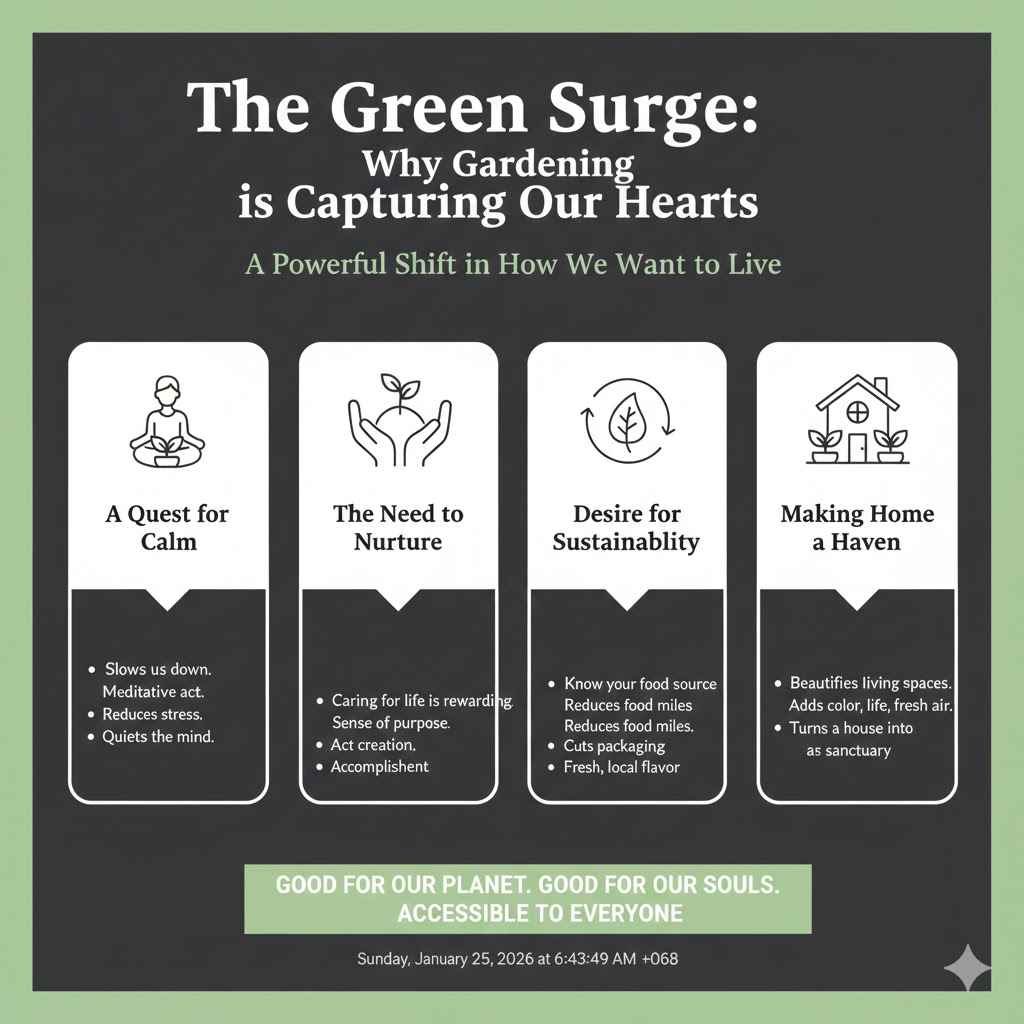
The Green Surge: Why Gardening is Capturing Our Hearts
Not long ago, gardening was often seen as a hobby for retirees. Today, you see people of all ages—from city dwellers with sunny windowsills to suburban families with backyard plots—embracing the plant life. This isn’t just a fleeting trend; it’s a powerful shift in how we want to live.
Several key factors are driving this green revolution:
- A Quest for Calm: Our world is fast-paced and digital. Gardening forces us to slow down. The simple act of watering a plant or pulling a weed can be incredibly meditative. It helps quiet the mind and reduce stress.
- The Need to Nurture: Caring for a living thing and watching it grow is deeply rewarding. It gives us a sense of purpose and accomplishment. In a world where so much is out of our control, nurturing a plant is a small but powerful act of creation.
- Desire for Sustainability: People are more aware than ever of where their food comes from. Growing even a small pot of herbs or a single tomato plant connects you to the food system. It reduces food miles, cuts down on packaging, and gives you the freshest flavor imaginable.
- Making Home a Haven: We’ve all spent more time at home recently. Gardening is a fantastic way to beautify our living spaces, both indoors and out. Plants add color, life, and fresh air, turning a house into a true sanctuary.
This boom in gardening shows we’re looking for activities that are good for our planet and our souls. And the best part? It’s accessible to everyone.
A Look at the Growing Numbers
Don’t just take my word for it. The data shows a clear and exciting trend. Millions of new gardeners have picked up the hobby in recent years. This growth is especially strong among younger generations and people living in urban areas, who are finding creative ways to grow in small spaces.
According to market research and surveys, the home and garden industry has seen a massive surge. People are not just buying plants; they are investing in tools, soil, containers, and educational resources to help them succeed. This shows a long-term commitment, not just a passing interest.
Here’s a simple look at who is joining the gardening movement:
| Gardener Group | Key Motivations | Common Projects |
|---|---|---|
| Millennials & Gen Z | Mental wellness, sustainability, home aesthetics | Houseplants, container gardens, herbs |
| Families with Children | Educational activity, fresh food, outdoor time | Vegetable patches, berry bushes, sensory gardens |
| Urban Dwellers | Connecting to nature, beautifying small spaces | Balcony gardens, vertical planters, window boxes |
| New Homeowners | Improving curb appeal, creating outdoor living areas | Flower beds, foundation plantings, lawn care |
The numbers confirm what we feel: gardening is a movement that’s here to stay because it offers real, tangible benefits that people are actively seeking.
The Essential Secret: It’s About Connection, Not Perfection
Now, let’s talk about the secret. Why does gardening feel so good, and why do people stick with it? Here it is: Successful gardening is not about having perfect, flawless plants. It’s about the process of trying, learning, and connecting with nature.
Many beginners are afraid of failing or “killing” a plant. But every experienced gardener has lost plants! It’s part of the journey. The real joy comes from the simple, daily acts of care and observation. The secret is to let go of perfection and embrace the experience.
Connecting with the Natural World
We have an innate need to connect with nature, something scientists call “biophilia.” Gardening is the easiest way to fulfill that need, no matter where you live. Pushing your hands into cool soil, watching a seed sprout, or seeing a bee visit your flower—these moments ground us. They remind us that we are part of a larger, beautiful ecosystem. This connection is a powerful antidote to the stress of modern life.
A Boost for Your Mind and Body
The wellness benefits of gardening are incredible and well-documented. Spending time in a garden can lower blood pressure, reduce anxiety, and lift your mood. The American Psychological Association has highlighted how interaction with nature can improve cognitive function and mental health.
The physical activity is gentle but effective. Bending, stretching, lifting, and digging are all forms of light exercise that improve flexibility and strength. Plus, if you grow vegetables, you get the added benefit of nutrient-rich, fresh food.
Living a Little More Sustainably
Every small garden contributes to a healthier planet. Here’s how:
- Growing Food: A home garden reduces your reliance on grocery stores, cutting down on “food miles” (the distance food travels from farm to plate).
- Composting: Turning kitchen scraps into compost enriches your soil and keeps organic waste out of landfills, where it would produce methane gas.
- Supporting Pollinators: Planting flowers like lavender, bee balm, or sunflowers provides vital food for bees, butterflies, and other important insects.
- Improving Air Quality: Plants absorb carbon dioxide and release oxygen, literally cleaning the air you breathe.
How You Can Start Your Gardening Journey Today (It’s Easy!)
Feeling inspired? Great! Let’s get you started. Forget everything you’ve heard about gardening being difficult. We’re going to keep it simple, fun, and manageable. Follow these steps, and you’ll be on your way to becoming a confident gardener.
Step 1: Start Small, Dream Big
The biggest mistake beginners make is trying to do too much at once. Don’t tear up your whole backyard! Start with just one or two plants in containers. A pot of herbs on your kitchen windowsill or a single tomato plant on your patio is a perfect first project. Success with one plant will build your confidence to try more.
Step 2: Understand Your Space
Before you buy anything, take a moment to observe your space. The most important factor for most plants is sunlight. Watch a spot for a day and see how much direct sun it gets.
- Full Sun: 6 or more hours of direct sunlight. Perfect for vegetables like tomatoes, peppers, and most flowers.
- Part Sun/Part Shade: 4 to 6 hours of direct sunlight. Good for leafy greens like lettuce and many perennials.
- Shade: Less than 4 hours of direct sunlight. Ideal for plants like hostas, ferns, and many houseplants.
Knowing your light will help you choose plants that will thrive, not just survive.
Step 3: Gather Your Essential Tools
You don’t need a shed full of fancy equipment. To start, you only need a few basics:
- A Good Pair of Gloves: To keep your hands clean and protected.
- A Hand Trowel: A small shovel for digging and moving soil.
- A Watering Can or Hose: To give your plants the drink they need.
- Quality Potting Mix: Don’t just use dirt from your yard! A good potting mix is designed for containers and helps with drainage and nutrients.
- Containers with Drainage Holes: This is critical! Plants will rot if water can’t escape. Any pot with holes at the bottom will work.
Step 4: Choose Beginner-Friendly Plants
Set yourself up for success by choosing plants that are known to be easy and forgiving. You can find excellent, region-specific recommendations from local resources like a university extension program. For example, the Penn State Extension offers great guides for beginner vegetable gardeners.
Here are a few of my favorite easy-to-grow plants for beginners:
| Plant Name | Best For | Light Needs | Why It’s Easy |
|---|---|---|---|
| Snake Plant | Indoors | Low to Bright Light | Extremely tolerant of neglect and low light. Cleans the air! |
| Mint | Outdoors (in a pot!) | Full Sun to Part Shade | Grows very aggressively. Keep it in a container so it doesn’t take over. Great for drinks! |
| Lettuce | Outdoors | Full Sun to Part Shade | Grows quickly from seed and you can harvest leaves as you need them. |
| Marigolds | Outdoors | Full Sun | Bloom all summer long with very little care. They also help deter pests. |
| Cherry Tomatoes | Outdoors | Full Sun | One plant in a large pot can produce tons of sweet, delicious tomatoes. |
Step 5: The Planting Process, Simplified
You have your pot, soil, and plant. Now for the fun part!
- Cover the Drainage Hole: Place a small rock or piece of a broken pot over the hole to stop soil from falling out.
- Add Soil: Fill your pot about two-thirds full with fresh potting mix.
- Prepare the Plant: Gently squeeze the sides of the nursery pot the plant came in and carefully slide it out. If the roots are tightly wound, gently tease them apart with your fingers.
- Place the Plant: Set the plant in the center of your new pot. The top of its root ball should be about an inch below the rim of the pot.
- Fill with Soil: Add more potting mix around the plant, gently pressing it down to remove air pockets.
- Water Thoroughly: Give your newly potted plant a good, long drink of water until you see it running out of the drainage hole. This helps the roots settle in.
Step 6: Caring For Your New Green Friend
Now, your job is to be a good plant parent. Don’t worry, it’s simple. Check on your plant every day or two. The most important task is watering. Instead of watering on a schedule, check the soil. Stick your finger about an inch deep. If it feels dry, it’s time to water. If it’s damp, wait another day. It’s better to water deeply and less often than to give it a little splash every day.
The Future of Gardening is Bright (and Green!)
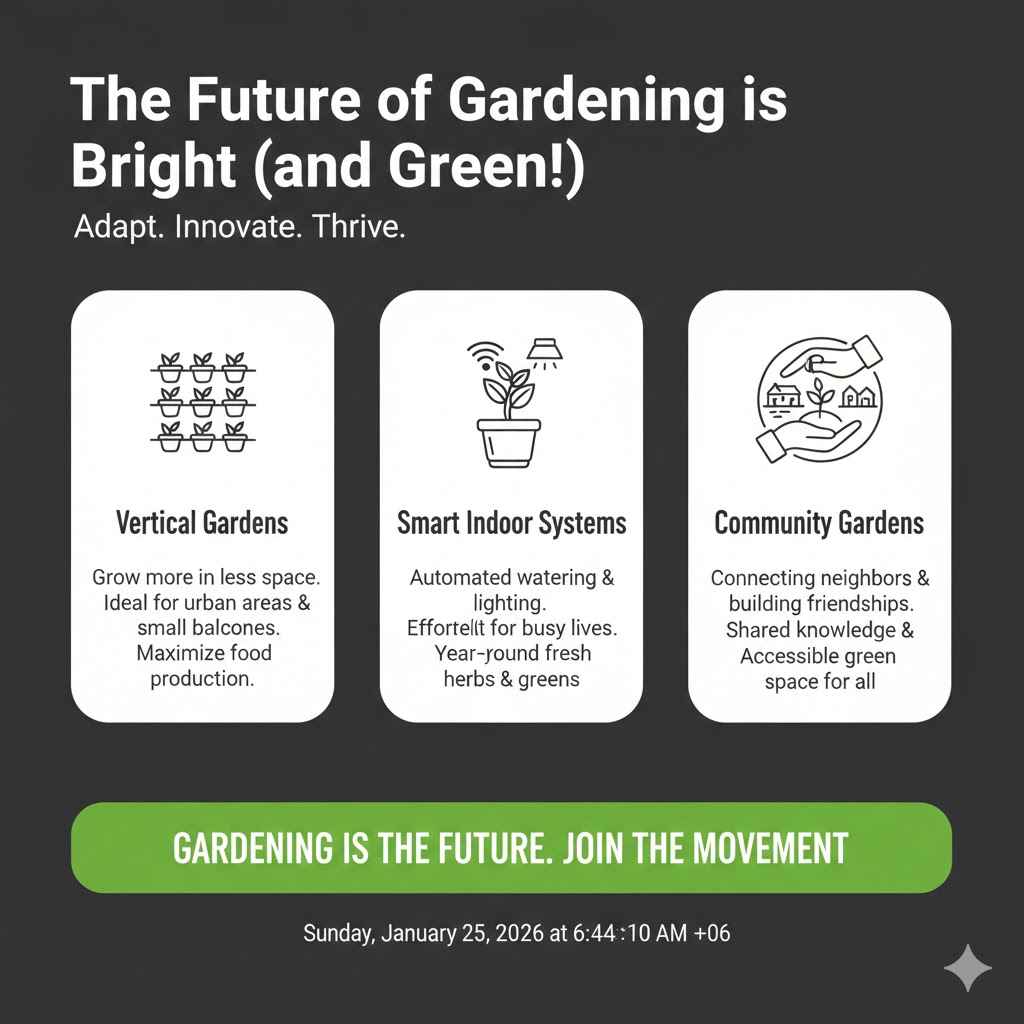
The gardening boom isn’t slowing down. In fact, it’s evolving. We’re seeing exciting new trends that make it even more accessible. Vertical gardens allow people to grow a lot of food in a small footprint. Smart indoor garden systems automate watering and lighting, making it foolproof for busy people. Community gardens are bringing neighbors together to grow food and build friendships.
Gardening is adapting to our modern lives while still providing the timeless benefits of connecting with the earth. It is a hobby that grows with you, offering new challenges and rewards at every stage of life.
Frequently Asked Questions (FAQ)
1. Do I need a big yard to start gardening?
Absolutely not! You can garden almost anywhere. A sunny balcony, a patio, a windowsill, or even a front step is enough space for a container garden. Many vegetables, herbs, and flowers thrive in pots.
2. How much does it cost to start gardening?
It can be very affordable. You can start with a single packet of seeds (a few dollars), a pot you already have, and a bag of potting mix. You don’t need expensive tools right away. Many gardeners also save seeds and trade plants with friends to keep costs low.
3. What is the easiest vegetable to grow for a beginner?
Leaf lettuce, radishes, and bush beans are some of the easiest and fastest-growing vegetables from seed. If you’re buying a small plant to start with, a cherry tomato plant in a large pot is a fantastic and highly rewarding choice.
4. How do I know when to water my plants?
The “finger test” is the best way. Stick your index finger about one inch into the soil. If the soil feels dry at that depth, it’s time to water. If it feels moist, check again tomorrow. Overwatering is a more common beginner mistake than underwatering.
5. Is container gardening difficult?
Not at all! In some ways, it’s easier than gardening in the ground. You have complete control over the soil, and it’s easier to manage weeds and pests. The key is to choose a pot that is large enough for the plant and has good drainage holes.
6. Can gardening really improve my mood?
Yes, science supports this. The act of nurturing a plant, spending time outdoors in the sun, and engaging in light physical activity are all proven to reduce stress and release endorphins, the body’s natural “feel-good” chemicals. It’s a natural mood booster.
7. What if I kill my first plant?
Welcome to the club! Every single gardener, including experts, has killed plants. Don’t see it as a failure. See it as a learning experience. Think about what might have gone wrong (too much water? not enough sun?) and try again. The journey is what matters!
Your Green Journey Awaits
So, is gardening becoming more popular? The answer is a resounding yes. But it’s not just a trend; it’s a return to something fundamental. It’s about slowing down, nurturing life, and creating beauty and sustenance with our own two hands. The secret is that this deeply human experience is available to everyone, regardless of skill, space, or budget.
The best time to plant a tree was 20 years ago. The second-best time is today. The same is true for your first plant. Don’t wait for the perfect moment or for a sudden burst of confidence. Start small, be curious, and enjoy the simple, profound joy of watching something grow. Your rewarding adventure in gardening is just one small pot away.