No, most air purifiers do not harm or kill plants. Standard HEPA and carbon filter models are safe and can even benefit your houseplants by removing dust, pollen, and pollutants.…
Quick Summary: Air purifiers are far better at quickly and effectively removing pollutants like dust, allergens, and particles from indoor air. Air-purifying plants offer minor benefits for certain gases, plus…
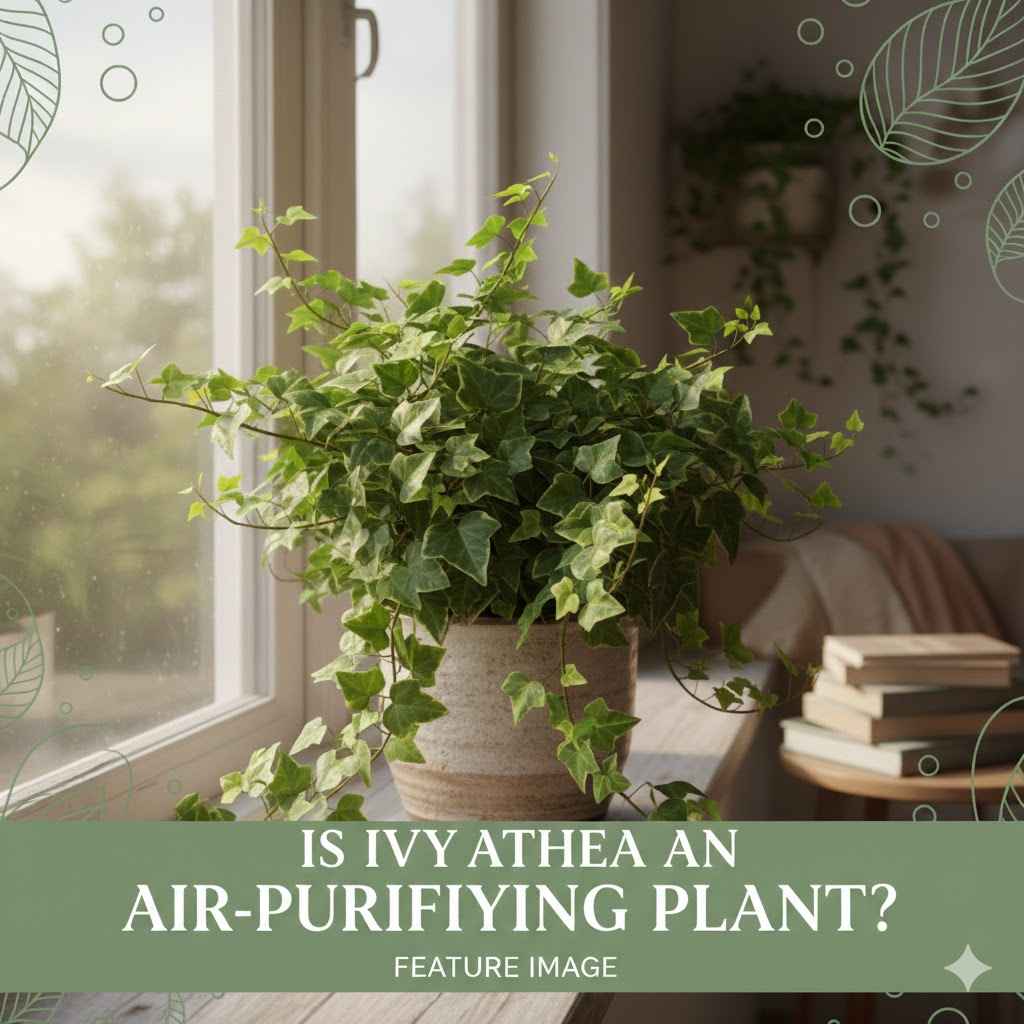
Yes, English Ivy (Hedera helix) is considered an air-purifying plant, especially based on NASA's famous 1989 Clean Air Study. It helps remove toxins like benzene, formaldehyde, and trichloroethylene from indoor…
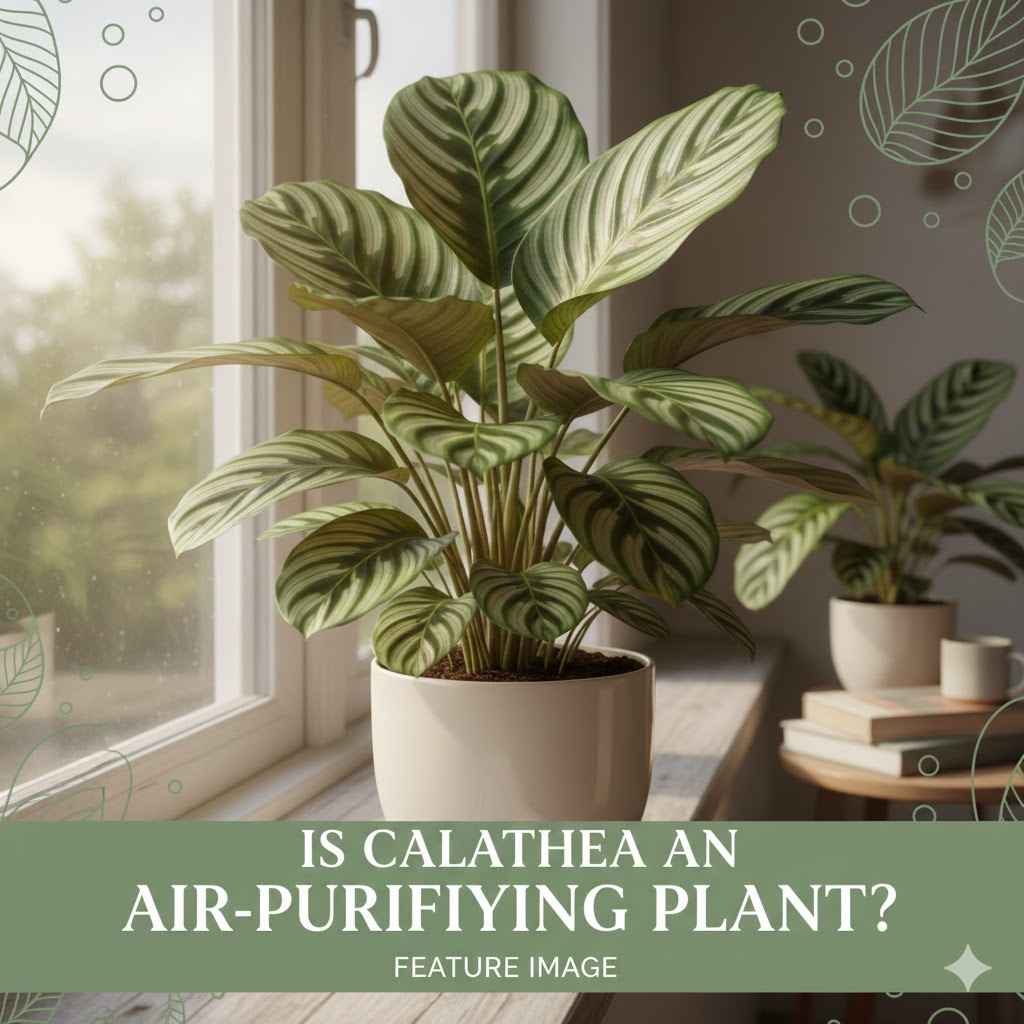
Quick Summary: Yes, Calathea is considered an air-purifying plant. It helps remove toxins like benzene and formaldehyde from indoor air, while adding beauty and humidity. Many sources, including references to…
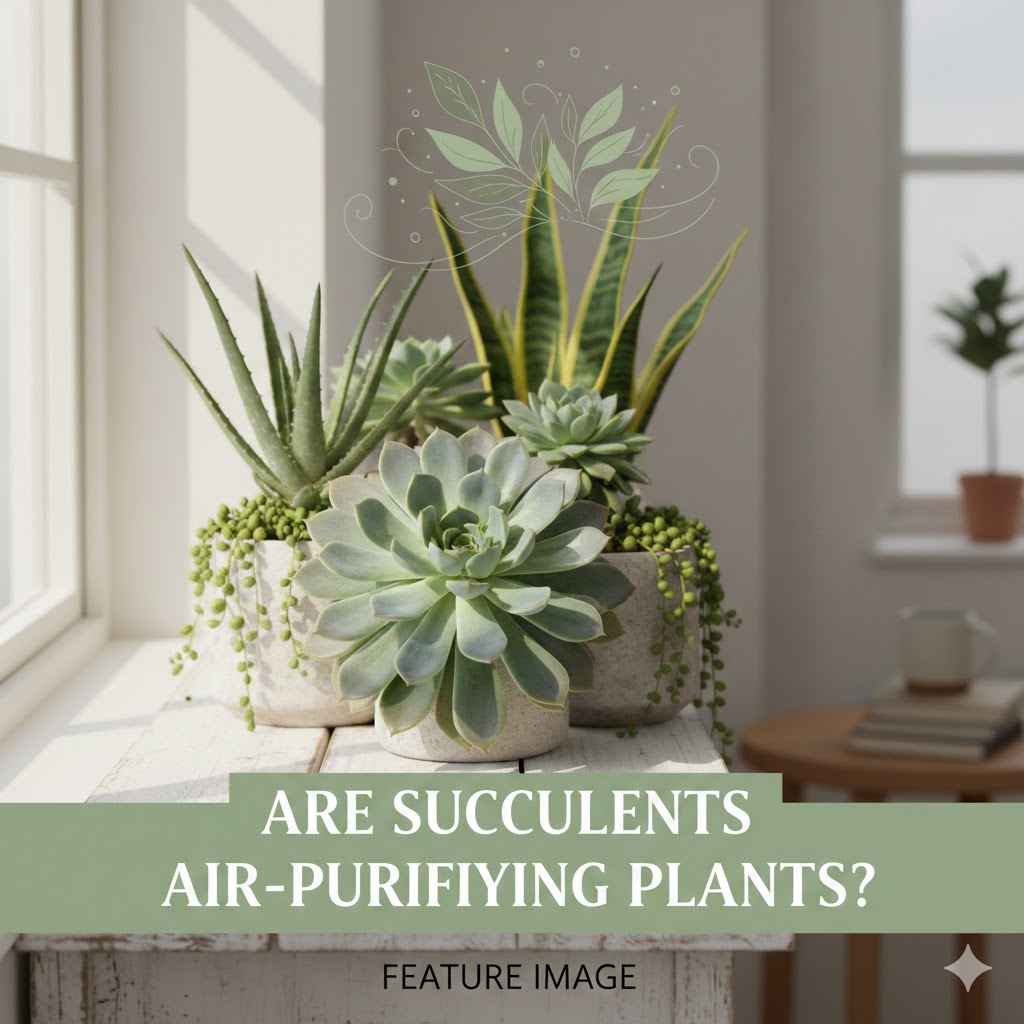
Yes, some succulents can help purify indoor air by removing certain toxins like formaldehyde and benzene, but their effect is modest in typical homes. The famous NASA Clean Air Study…
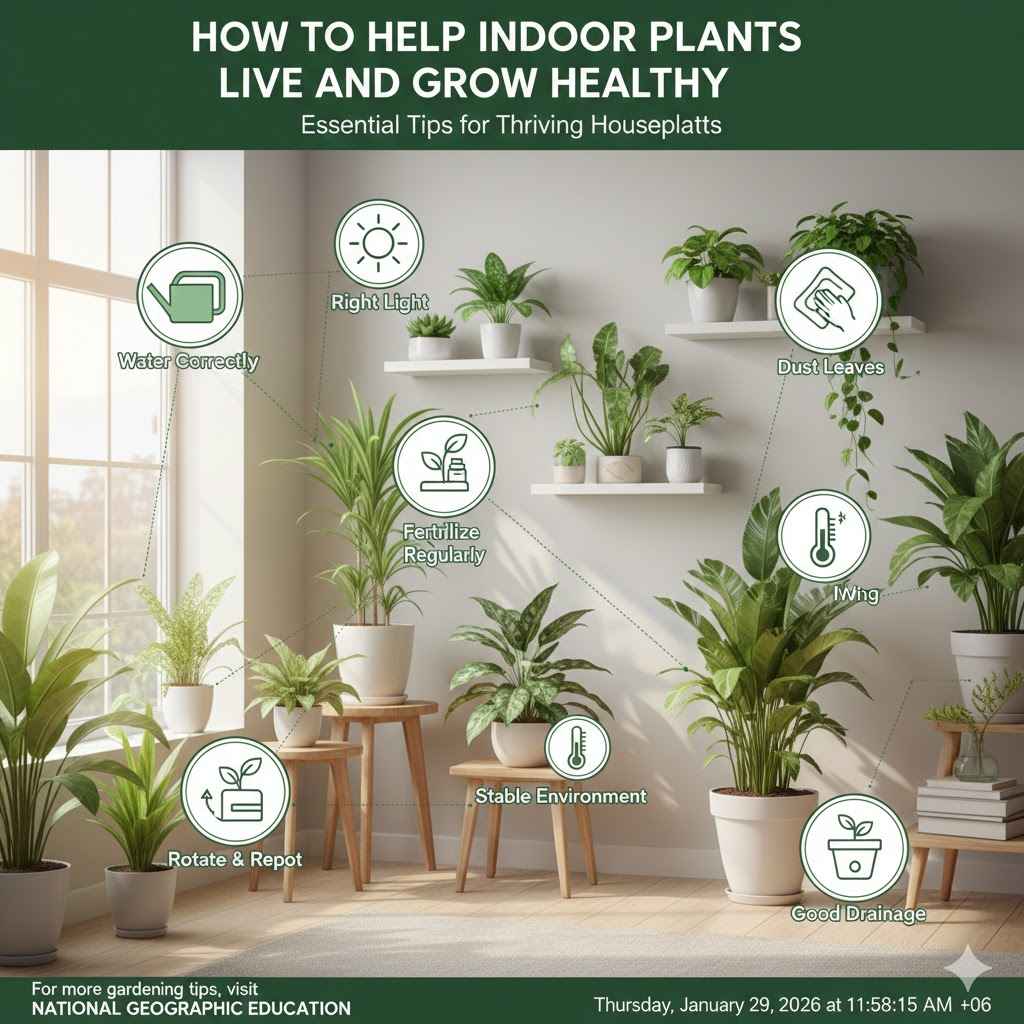
Helping indoor plants live and grow healthy is simple for beginners: give them the right light, water only when the top soil is dry, use well-draining pots, and fertilize lightly…
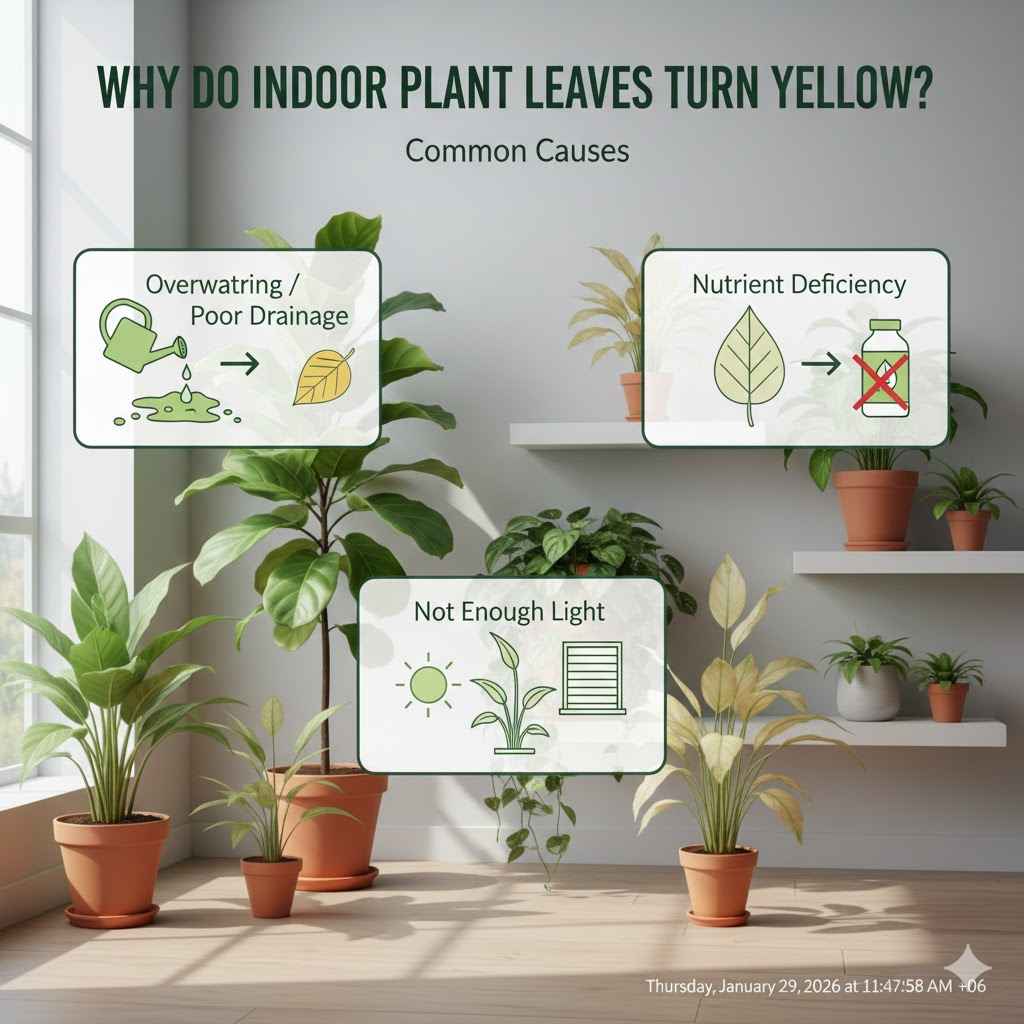
Indoor plant leaves turn yellow mainly due to overwatering, underwatering, poor light, nutrient shortages, or wrong temperatures. Don't worry—most cases are easy to fix with simple tweaks to care. Follow…
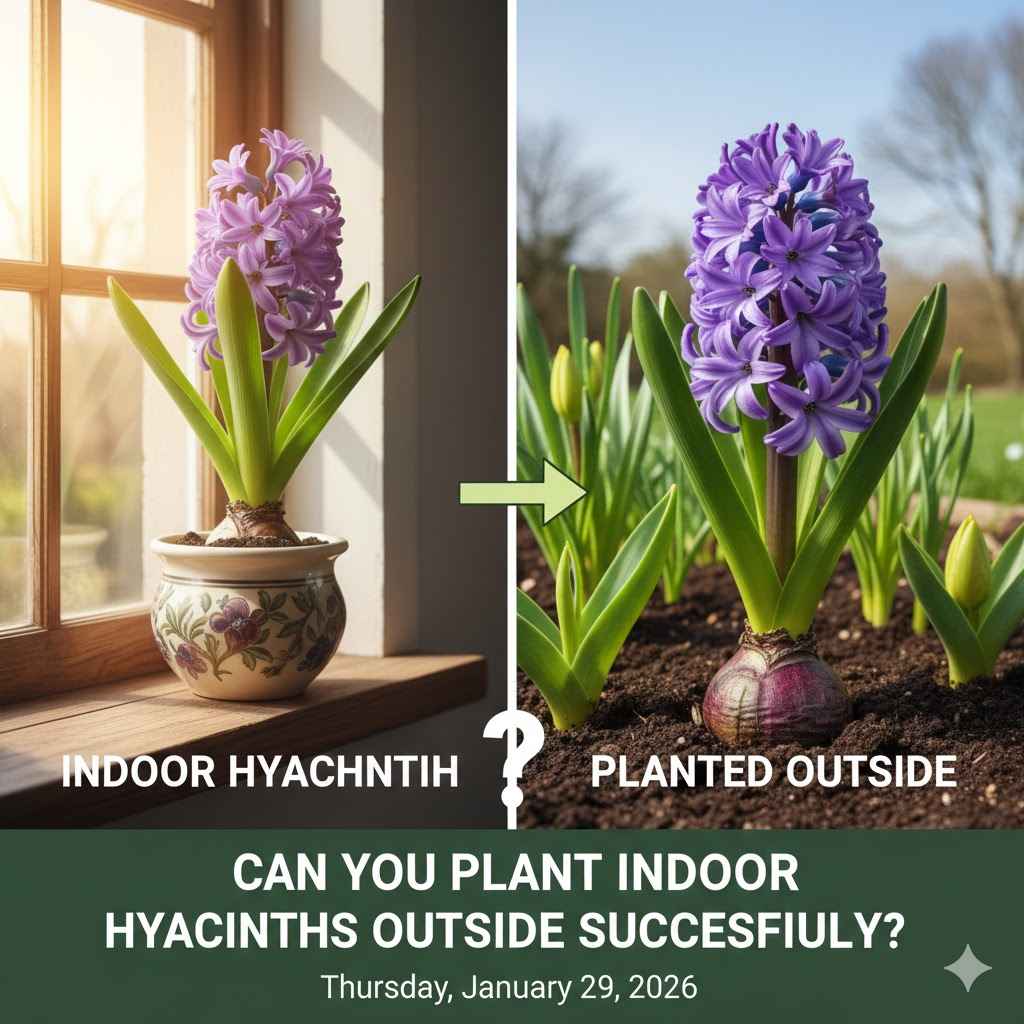
Yes, you can successfully plant indoor hyacinths outside! After blooming indoors, move the bulbs to your garden or outdoor pots in spring once foliage yellows. They often rebloom the next…
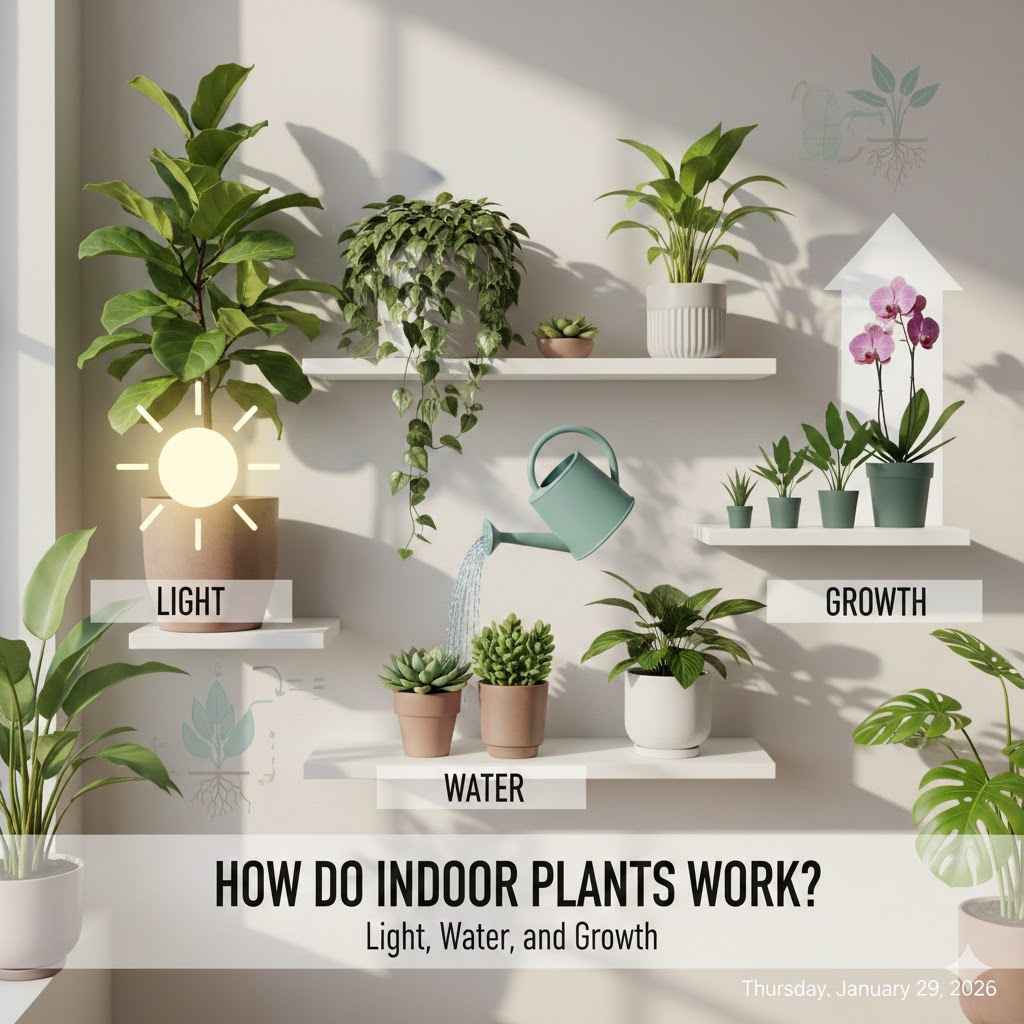
Indoor plants work by using light for photosynthesis to turn water and carbon dioxide into food (sugar) and oxygen. This powers their growth. Give them the right amount of light,…
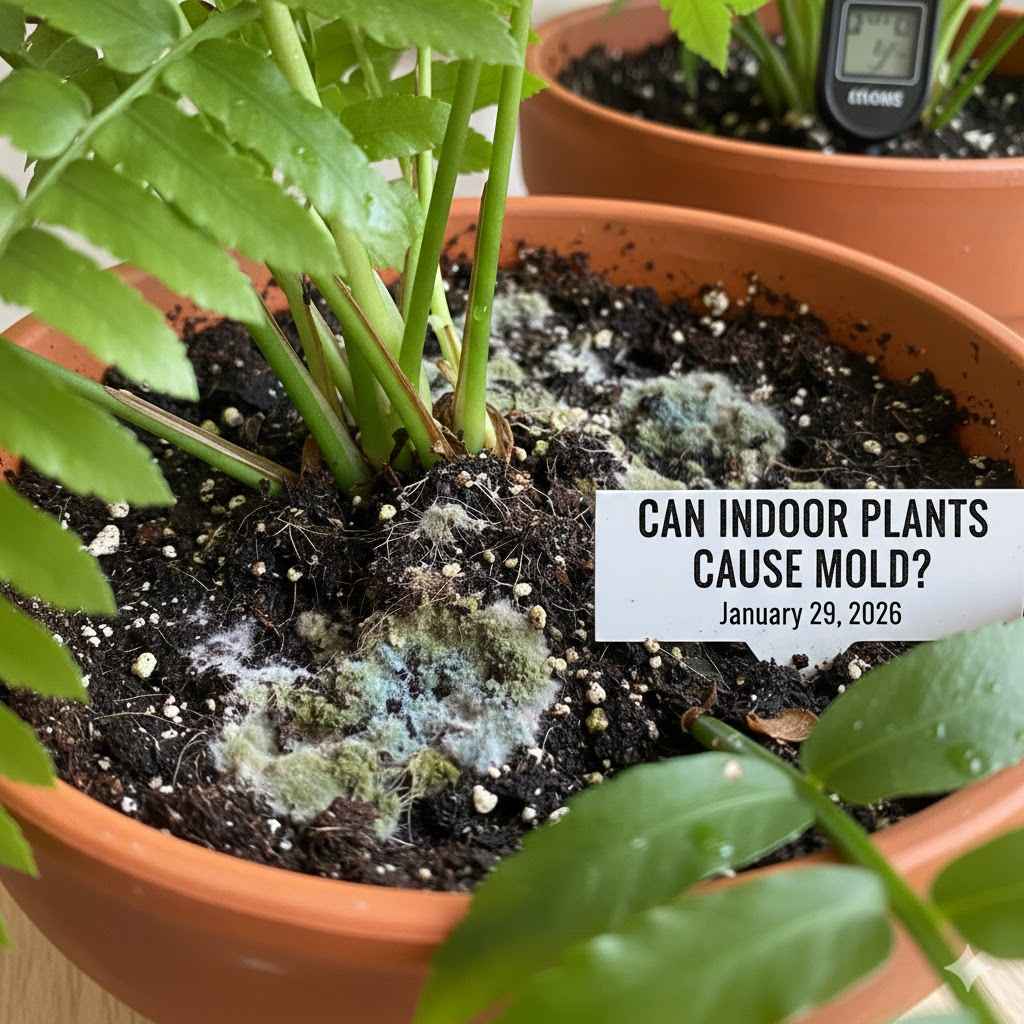
They can contribute to conditions that allow mold to grow if overwatered or in high humidity, but proper care keeps everything healthy and mold-free. With simple steps like right watering…