
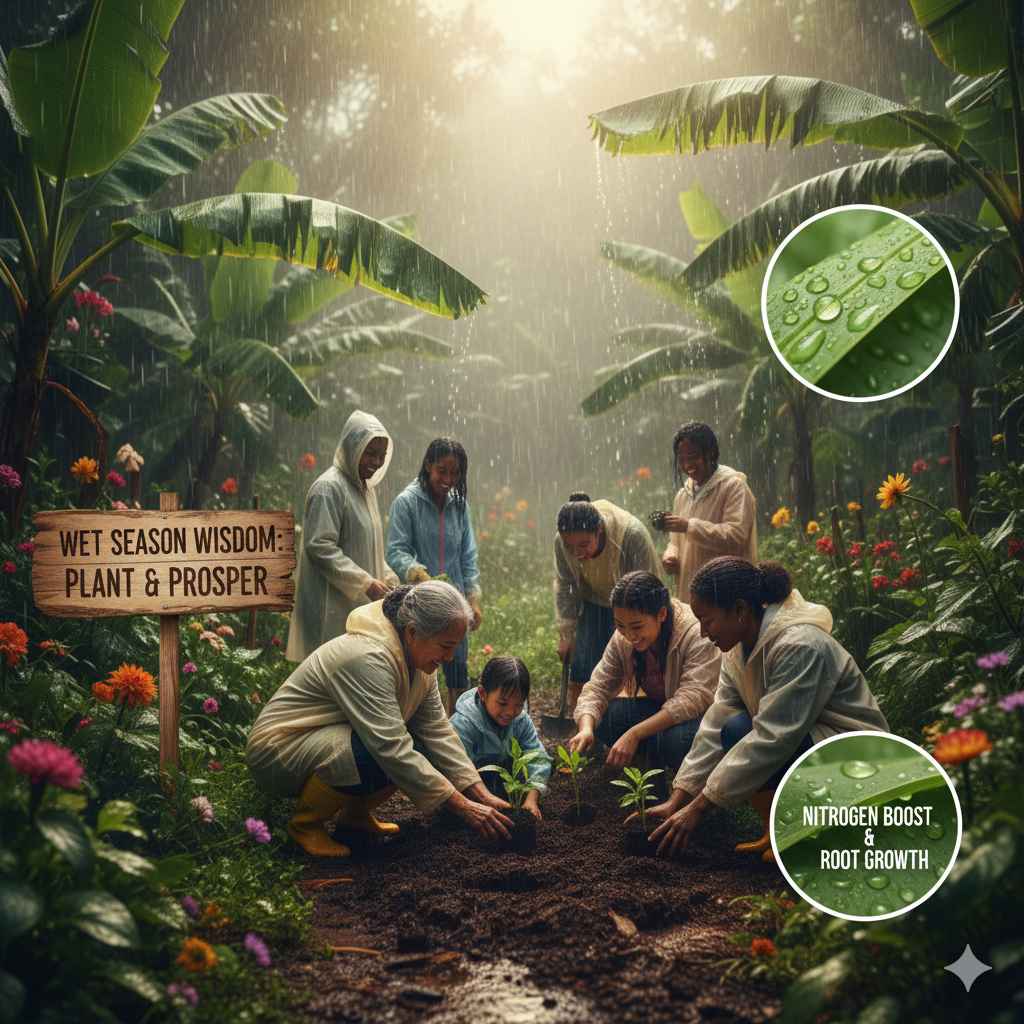
Planting during the wet season is highly beneficial because the consistent rainfall provides deep, natural irrigation, helping new plants establish strong roots quickly. This reduces transplant shock and saves water, while cooler temperatures and higher humidity create an ideal, low-stress environment for young plants to thrive and grow lush.
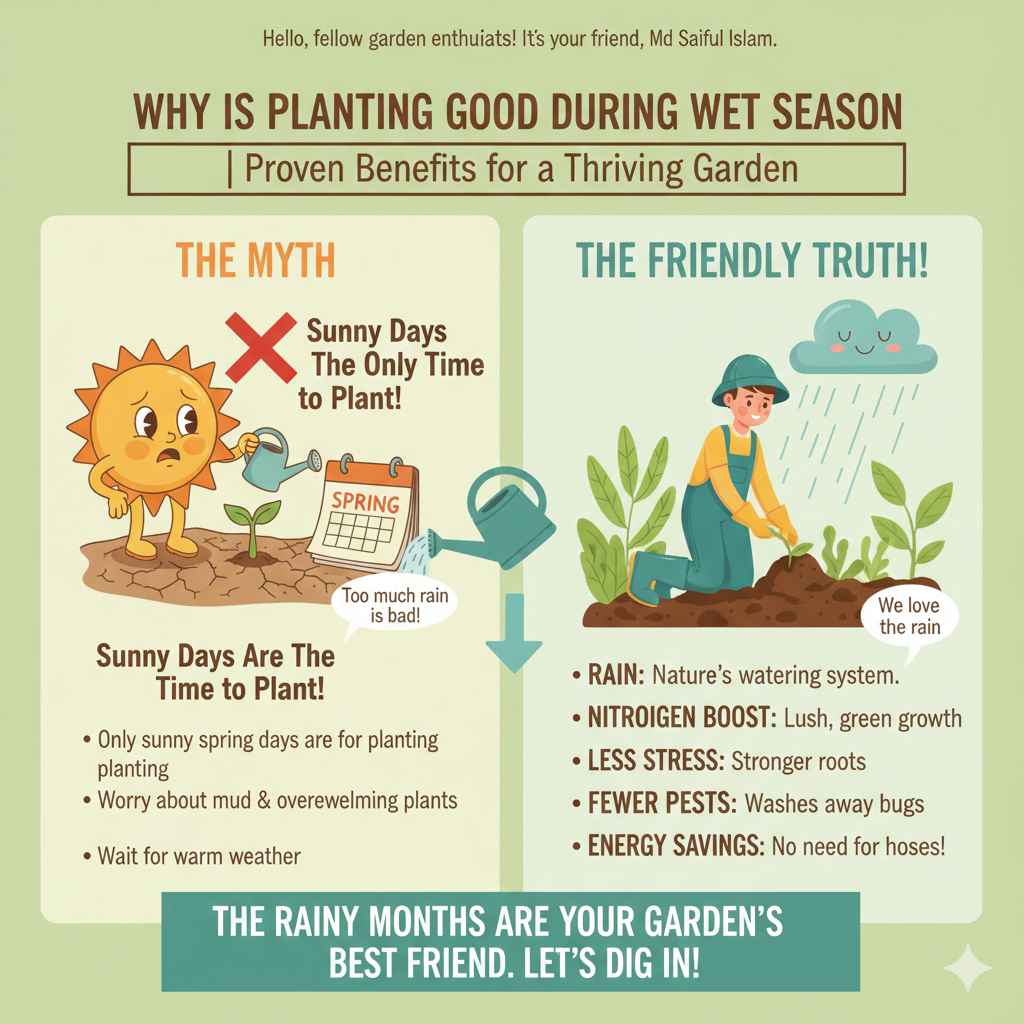
Hello, fellow garden enthusiasts! It’s your friend, Md Saiful Islam. Many of us believe that sunny spring days are the only perfect time for planting. We wait all winter for that warm weather. But what if I told you that another season holds a secret power for gardeners? The wet season, with its steady rains and cloudy skies, is a hidden gem for growing a lush, healthy garden.
It can seem a bit strange to head out with a trowel when the ground is damp. You might worry about mud or overwhelming your new plants. I understand! But I’m here to show you that planting during this time is not only good—it’s one of the smartest things you can do for your garden. We will explore exactly why the rainy months are your garden’s best friend. Let’s dig in!
The Magic of Natural Irrigation: Let Nature Do the Watering
One of the biggest chores in gardening is watering, right? Especially with new plants, you have to be so careful. You need to give them enough water, but not too much. During the wet season, nature takes care of this for you. The consistent, gentle rain is like a free, automatic watering system for your garden.
This isn’t just any watering. Rain soaks deep into the soil, much deeper than a quick sprinkle from a hose. This deep watering encourages plant roots to grow downward, searching for moisture. Deeper roots create a stronger, more stable plant that can handle dry spells better in the future. Think of it as building a strong foundation for your plants’ long-term health. When you plant during the rainy season, you are giving your plants the best possible start, with roots anchored deep in the moist, welcoming earth.
Benefits of Deep Natural Watering:
- Stronger Root Systems: Encourages roots to grow deep and wide, making plants more resilient.
- Consistent Moisture: Prevents the soil from drying out, which is critical for new transplants.
- Saves Time and Effort: You can spend less time with a watering can and more time enjoying your garden.
- Better Water Quality: Rainwater is naturally soft, slightly acidic, and free of the chlorine often found in tap water, which plants love.

Reduced Transplant Shock: A Gentler Start for Your New Plants
Have you ever moved a plant from its small pot to a new spot in the garden, only to watch it wilt and look sad for a few days? That’s called transplant shock. It’s the stress a plant feels when it’s moved to a new environment. The roots are disturbed, and the plant has to work hard to adjust. Hot, sunny, and dry conditions make this shock much worse.
The wet season is the perfect antidote to transplant shock. Here’s why:
- Cool, Moist Soil: The soil is consistently damp, which helps the delicate roots stay hydrated and recover quickly. There’s no harsh, dry soil to shock them.
- High Humidity: The air is more humid during the wet season. This means less water evaporates from the leaves, so the plant doesn’t lose moisture as fast. It can focus its energy on growing new roots instead of just trying to survive.
- Cloudy Skies: Less direct, intense sunlight means the leaves won’t get scorched. The gentler light allows the plant to settle in without the added stress of fending off intense heat.
Planting during this time is like moving into a new home on a calm, quiet day instead of during a heatwave. It’s a much kinder, gentler experience for your new green friends.
Save Water, Save Money: The Eco-Friendly Advantage
In a world where we are all trying to be more mindful of our resources, wet season planting is a huge win. A significant portion of household water usage during warmer months goes to lawn and garden care. By timing your planting with the rainy season, you can drastically cut down on your water consumption.
Letting the rain do the work for you means your water bill will be lower. It’s a simple, effective way to save money. But more importantly, it’s an eco-friendly choice. Conserving water is crucial for the environment. According to the U.S. Environmental Protection Agency, landscape irrigation accounts for nearly one-third of all residential water use. By aligning our gardening with natural weather patterns, we become more sustainable gardeners.
Water Savings at a Glance
Here’s a simple table to show how much of a difference it can make:
| Gardening Aspect | Planting in Dry Season | Planting in Wet Season |
|---|---|---|
| Watering Frequency | Daily or every other day for new plants | Rarely, only during unusual dry spells |
| Water Source | Mainly tap water from a hose or sprinkler | Natural rainwater |
| Estimated Cost | Higher water bills | Significant savings |
| Environmental Impact | Uses treated municipal water | Conserves a precious natural resource |
Improved Soil Health and Nutrient Absorption
Healthy soil is the foundation of a healthy garden. The wet season plays a vital role in improving the quality of your soil. The consistent moisture helps organic matter, like compost and fallen leaves, break down more quickly. This process releases a steady supply of nutrients into the soil, creating a rich feast for your plants.
Furthermore, plants can only absorb nutrients from the soil when they are dissolved in water. When the soil is consistently moist, these vital nutrients are readily available for the plant’s roots to soak up. Dry, compacted soil makes it very difficult for roots to access the food they need. The soft, damp earth of the wet season is like a well-stocked pantry, open 24/7 for your plants.
This is also a great time to add amendments like compost or well-rotted manure to your garden beds. The rain will help work these materials into the soil, enriching it naturally and creating a perfect environment for vigorous growth.
Cooler Temperatures Mean Less Stress on Plants (and You!)
Just like people, plants can get stressed out by extreme heat. High temperatures force a plant to work harder to stay cool and hydrated. For a young plant that is already trying to establish its root system, this can be too much to handle. The scorching sun can burn tender leaves and dry out the soil in hours.
The wet season typically brings cooler, more moderate temperatures. This mild weather is ideal for almost all plants. They don’t have to waste energy battling the heat, so they can channel all their resources into what matters most: growing strong roots, sturdy stems, and lush foliage. The result is faster, healthier growth.
And let’s be honest—it’s more comfortable for us gardeners, too! Working in the garden on a cool, overcast day is far more pleasant than toiling under a blazing sun. It makes the whole experience more enjoyable and relaxing.
What to Plant During the Wet Season: A Beginner’s Guide
So, you’re convinced! But what should you plant? While many plants thrive in these conditions, some are particularly well-suited for a rainy season start. The key is to choose plants that appreciate consistent moisture but also to ensure your soil has good drainage to prevent waterlogging.
Here is a table with some ideas for beginners:
| Plant Type | Specific Examples | Planting Tips for the Wet Season |
|---|---|---|
| Vegetables | Lettuce, spinach, kale, broccoli, carrots, beets | Plant in raised beds if your soil is heavy clay to improve drainage. Space them well for good air circulation. |
| Flowers | Hostas, ferns, astilbe, impatiens, coleus | These shade- and moisture-loving plants will flourish. Mulch lightly to retain moisture without causing rot. |
| Trees & Shrubs | Evergreens, fruit trees, hydrangeas, azaleas | This is an excellent time to plant woody ornamentals. The rain helps them establish roots before the next dry season. |
| Herbs | Mint, parsley, cilantro, chives | Many herbs do well, but ensure good drainage. Mint can be especially vigorous in moist soil. |
A great resource for finding plants suited to your specific area is your local university extension office. For example, the University of Minnesota Extension provides excellent guides on transplanting that apply broadly to many climates.
Essential Tips for Successful Wet Season Planting
Planting in the rainy season is fantastic, but a few smart tips will ensure your success and help you avoid common pitfalls. Follow these simple steps for a garden that thrives.
Check for Good DrainageThis is the most important rule. While plants love moisture, they hate sitting in a puddle. Waterlogged soil can lead to root rot, which will kill a plant. Before you plant, dig a hole about a foot deep and fill it with water. If it drains away in a few hours, your drainage is good. If water stands for a long time, you may need to amend your soil with compost or create raised beds.Use Mulch WiselyMulch is a gardener’s friend. It helps retain soil moisture, suppress weeds, and regulate soil temperature. However, during a very wet season, be careful not to apply too thick a layer right up against the plant stems. A thick, soggy layer of mulch can encourage fungal diseases and pests like slugs. A light layer of about 1-2 inches is plenty.
Watch for Pests and FungiWet, humid conditions are perfect for slugs, snails, and certain fungal diseases like powdery mildew. Keep a close eye on your plants. Ensure there is good air circulation by not planting them too close together. Remove any diseased leaves promptly to prevent spread. A garden patrol after a rain shower can help you spot and remove slugs before they do much damage.
Don’t Plant During a Heavy DownpourWhile the season is wet, it’s best to plant during a lull in the rain. Planting in the middle of a torrential downpour can compact the soil and make a muddy mess. Aim for a cloudy, drizzly day or the period right after a good rain when the soil is moist but not saturated.
Provide Support for Tall PlantsSoil is softer when it’s wet, and heavy rains combined with wind can topple taller plants like sunflowers or tomatoes. If you are planting something that will grow tall, put a stake or cage in place at the time of planting. This provides support from day one and avoids damaging the roots later on.
Frequently Asked Questions (FAQ)
1. Can I plant anything during the wet season?
Most plants benefit from being planted in the wet season, especially trees, shrubs, and perennials. However, plants that are native to very dry climates, like succulents or Mediterranean herbs such as lavender and rosemary, may struggle if the soil stays waterlogged. For these plants, ensure you have excellent drainage or plant them in pots.
2. What is the biggest mistake to avoid when planting in the rain?
The biggest mistake is ignoring drainage. If your soil doesn’t drain well, the constant rain can drown the plant’s roots, leading to root rot. Always check your drainage first and amend your soil with organic matter or use raised beds if needed.
3. Do I still need to water my plants during the wet season?
Generally, no. The natural rainfall should be more than enough for new plants. However, there can be dry spells even in a wet season. The best way to know is to check the soil. Stick your finger about two inches into the ground near the plant. If it feels dry at that depth, it’s time to give it a drink.
4. How do I prevent fungal diseases in a wet garden?
The key to preventing fungal diseases is good air circulation. Make sure you space your plants according to their mature size, not their size when you buy them. This allows air to flow freely between them, drying the leaves and making it harder for fungus to take hold. Also, water at the base of the plant, not on the leaves, if you do need to supplement with watering.
5. Is it okay to fertilize plants during the rainy season?
Yes, you can fertilize, but do it strategically. Heavy rain can wash away liquid fertilizers before the plant has a chance to absorb them. It’s better to use a slow-release granular fertilizer that will release nutrients over time. Alternatively, apply liquid fertilizer after a heavy rain has passed, not before.
6. What are the best tools for wet season gardening?
A few key tools make rainy day gardening much easier! Waterproof gloves are a must to keep your hands dry and clean. A sturdy pair of waterproof boots will prevent you from slipping in the mud. A good-quality trowel and a garden fork are essential for working with damp soil.
Your Garden’s Best Season Awaits
As you can see, the wet season is far from a time to stay indoors and wait for the sun. It’s a golden opportunity to give your plants the strongest, healthiest start possible. By working with nature’s cycles, you can create a vibrant garden that requires less work, less water, and less stress—for both you and your plants.
From the deep, natural irrigation that builds resilient roots to the cool, gentle conditions that prevent transplant shock, the benefits are clear. So next time the clouds roll in and the rain begins to fall, don’t see it as a gloomy day. See it as the perfect moment to grab your tools and give your garden the gift of a wet season planting. You’ll be rewarded with lush, happy plants that will thrive for years to come.