
The best time for gardening depends on your local climate and what you plan to grow. Generally, start cool-season plants like lettuce in early spring and fall. Plant warm-season vegetables like tomatoes after your area’s last frost date. Indoor gardening with houseplants and herbs is a wonderful option you can enjoy all year long.
Have you ever wondered, “When do gardening activities actually begin?” It’s a question every new gardener asks. You see beautiful pictures of lush gardens and feel inspired. But timing feels like a secret code. Plant too early, and a surprise frost can ruin everything. Plant too late, and your plants might not have enough time to grow. It can feel confusing, but I promise it’s much simpler than it seems.
I’m here to give you an effortless plan that takes the guesswork out of timing. Together, we will walk through the simple steps to understand your local seasons and create the perfect gardening schedule. You don’t need a special calendar or complicated tools. You just need a little guidance, and soon you’ll know exactly when to get your hands in the dirt. Let’s create your genius gardening plan!
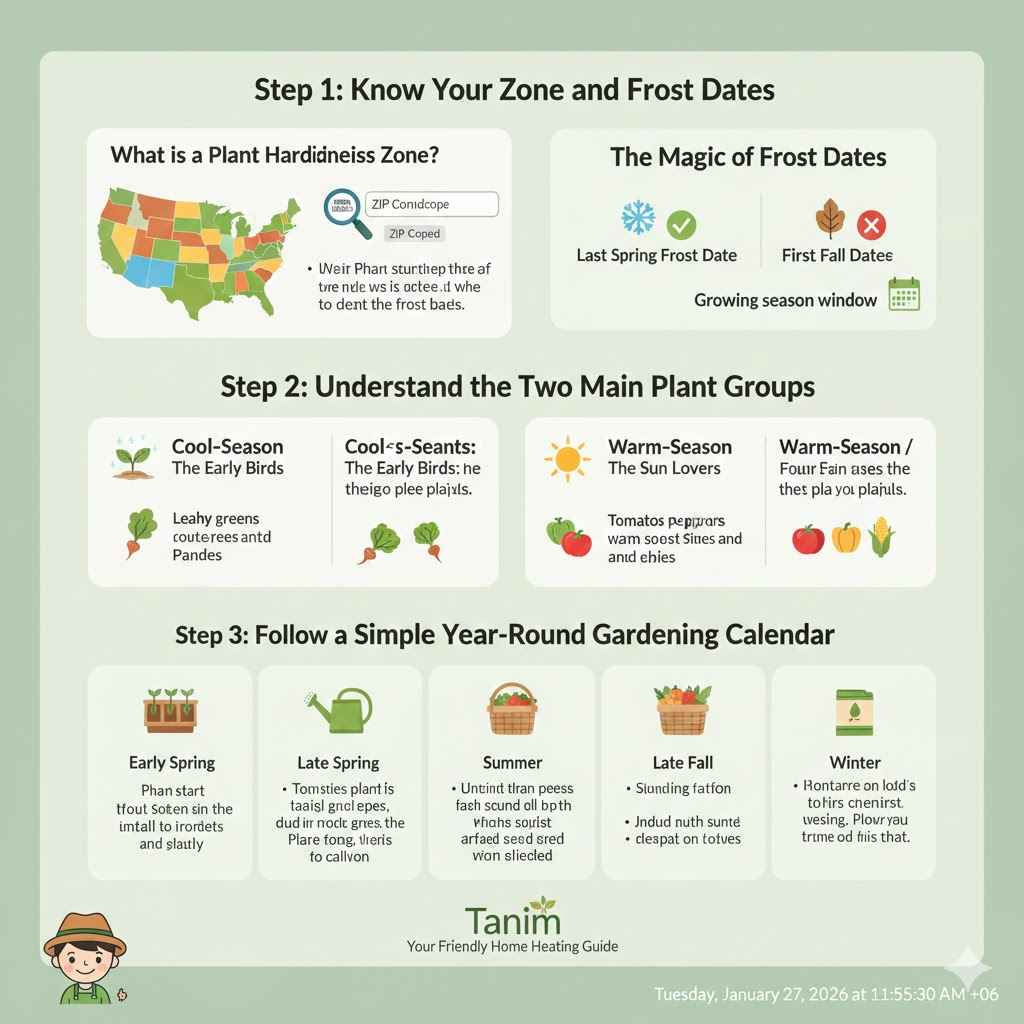
Step 1: Know Your Zone and Frost Dates
Before you buy a single seed, the most important step is to understand your local climate. This sounds technical, but it’s incredibly simple. The two key things you need to know are your Plant Hardiness Zone and your frost dates.
What is a Plant Hardiness Zone?
Think of it like a map that shows you the average coldest winter temperatures in your area. This helps you choose plants that can survive the winter in your garden. The United States Department of Agriculture (USDA) created a simple map for this. Each zone is numbered, with Zone 1 being the coldest and Zone 13 being the warmest.
Why does this matter? Because a plant labeled “hardy to Zone 5” will thrive in Zone 5 or warmer, but it might not survive a Zone 4 winter. Knowing your zone is your first secret weapon for choosing the right plants.
- How to Find Your Zone: It’s easy! Just visit the USDA Plant Hardiness Zone Map and enter your ZIP code. It will instantly tell you which zone you live in.
The Magic of Frost Dates
Frost dates are the two most important dates for any vegetable gardener:
- Last Spring Frost Date: This is the average date of the last light freeze in spring. After this date, it’s generally safe to plant tender, warm-weather plants outside.
- First Fall Frost Date: This is the average date of the first light freeze in fall. You’ll want to harvest most of your summer vegetables before this date.
These dates give you your official growing season window. You can easily find your local frost dates by checking with a local nursery or using an online frost date calculator. Knowing these two dates is like having a cheat sheet for your entire gardening year.
Step 2: Understand the Two Main Plant Groups
Gardening becomes much easier when you realize that most common vegetables fall into two simple groups: cool-season crops and warm-season crops. They each have a different time they prefer to grow.
Cool-Season Plants: The Early Birds
These plants love the cool weather of spring and fall. They can handle a light frost and actually taste better when grown in milder temperatures. If the weather gets too hot, they can “bolt,” which means they flower and stop producing tasty leaves or roots.
When to Plant Them:
- In early spring, as soon as you can work the soil. This is usually 4-6 weeks before your last spring frost date.
- In late summer or early fall for a second harvest that can sometimes last into winter.
Examples of Cool-Season Plants:
- Lettuce
- Spinach
- Kale
- Peas
- Broccoli
- Cauliflower
- Radishes
- Carrots
- Beets
Warm-Season Plants: The Sun Lovers
These plants need heat to thrive. They love long, sunny days and warm soil. A frost will damage or kill them, so you must wait until all danger of frost has passed before planting them outdoors.
When to Plant Them:
- After your last spring frost date has safely passed.
- Many gardeners start these seeds indoors 6-8 weeks before the last frost to give them a head start.
Examples of Warm-Season Plants:
- Tomatoes
- Peppers
- Cucumbers
- Zucchini and Summer Squash
- Corn
- Beans
- Eggplant
- Melons
Step 3: Follow a Simple Year-Round Gardening Calendar
Now that you know your zone, frost dates, and plant types, let’s put it all together. Here is a simple calendar you can adapt for your specific location. This is the core of our effortless genius plan!
Early Spring (6-8 weeks before last frost)
This is the time of anticipation! The ground may still be cold, but the gardening season is starting indoors.
- Start Seeds Indoors: Begin growing warm-season plants like tomatoes, peppers, and eggplant inside. This gives them a strong head start.
- Prepare Garden Beds: Once the ground thaws, clean up your garden beds. Remove old plants, weeds, and leaves. Add a fresh layer of compost to enrich the soil.
- Direct Sow Early Crops: Plant your first cool-season seeds directly into the garden. This includes peas, spinach, and radishes.
Late Spring (After the last frost date)
This is the main event! The weather is warm, and it’s time for the big planting push.
- Transplant Seedlings: Carefully move your indoor-grown tomato, pepper, and other warm-season seedlings into the garden.
- Plant More Seeds: Directly sow seeds for beans, corn, cucumbers, and zucchini.
- Add Flowers: Plant annual flowers to bring in pollinators like bees and butterflies, which will help your vegetable plants produce more fruit.
Summer (Peak growing season)
Your garden is now growing quickly. Your main job is to keep it happy and healthy.
- Water Consistently: Plants need about one inch of water per week, either from rain or from you. Water deeply at the base of the plants in the morning.
- Weed Regularly: Weeds compete with your plants for water and nutrients. Remove them before they get too big.
- Watch for Pests: Check your plants regularly for any signs of trouble. Often, you can remove pests by hand.
- Harvest!: Many of your cool-season crops will be ready to pick. Start harvesting herbs and early summer vegetables as they ripen.
Late Summer / Early Fall (About 8-10 weeks before first frost)
As the intense heat of summer begins to fade, you get a second chance to plant!
- Plant a Fall Garden: This is the perfect time to plant another round of cool-season crops. Sow more seeds for lettuce, spinach, kale, carrots, and radishes.
- Keep Watering: Late summer can still be dry, so make sure your new seedlings and mature plants get enough water.
- Continue Harvesting: Your summer garden is likely producing a lot of food. Keep picking tomatoes, peppers, and zucchini to encourage the plants to produce more.
Late Fall (Around the first frost date)
The growing season is winding down. It’s time to clean up and prepare for the cold.
- Final Harvest: Harvest any remaining warm-season vegetables before the first hard frost. Some cool-season crops, like kale and carrots, can taste even sweeter after a light frost.
- Clean Up the Garden: Remove dead plants to prevent pests and diseases from surviving the winter in your garden soil.
- Protect Your Soil: Add a layer of shredded leaves or mulch over your garden beds. This protects the soil from erosion and adds nutrients as it breaks down.
- Plant Garlic: Fall is the ideal time to plant garlic cloves for a harvest next summer.
Winter (The quiet season)
Even when the garden is sleeping, a gardener’s work is never done. Winter is for planning and dreaming.
- Plan Next Year’s Garden: Think about what worked well and what you want to change. Draw a layout for your garden.
- Order Seeds: Seed catalogs start arriving in the winter. It’s the perfect time to get excited and order seeds for spring.
- Maintain Tools: Clean and sharpen your gardening tools so they are ready for action.
- Enjoy Indoor Gardening: Grow herbs on a sunny windowsill or care for beautiful houseplants to keep your green thumb active.
Your Personalized Planting Schedule
To make this even easier, you can create a simple chart based on your last frost date. Below is a sample chart. Just fill it in with your own local dates!
Let’s say your last spring frost date is May 15th. Here is what your schedule might look like:
| Plant Type | When to Start Seeds Indoors | When to Plant Outside |
|---|---|---|
| Tomatoes | 6-8 weeks before last frost (Late March) | After last frost (Late May) |
| Peppers | 8-10 weeks before last frost (Early March) | 2 weeks after last frost (Early June) |
| Lettuce | Not needed; plant seeds directly | 4-6 weeks before last frost (Early April) |
| Carrots | Not needed; plant seeds directly | 4-6 weeks before last frost (Early April) |
| Cucumbers | 3-4 weeks before last frost (Mid-April) OR plant seeds directly | 1-2 weeks after last frost (Late May / Early June) |
| Beans | Not needed; plant seeds directly | After last frost (Late May) |
| Broccoli | 4-6 weeks before last frost (Early April) | 2-3 weeks before last frost (Late April) |
More Tips for Perfect Garden Timing
Knowing the seasons is key, but a few other factors can help you succeed.
Sunlight Matters
Before you plant, watch the sun in your yard. Different plants need different amounts of light.
- Full Sun: 6-8+ hours of direct sunlight per day. Most vegetables, like tomatoes, peppers, and cucumbers, need full sun.
- Part Sun / Part Shade: 4-6 hours of direct sunlight. Many leafy greens and root vegetables, like lettuce and carrots, can do well here.
- Shade: Less than 4 hours of direct sunlight. Few vegetables thrive in deep shade, but some herbs and leafy greens might manage.
Choosing the right spot from the start saves you a lot of trouble later.
Indoor Gardening is Always in Season
Don’t have a yard? No problem! You can garden year-round indoors. A sunny windowsill is a perfect place for a small herb garden. Many beautiful houseplants thrive indoors and help purify the air. This is a fantastic way to enjoy gardening no matter the season or weather.
Know Your Plant Types: Annuals vs. Perennials
Understanding these two terms helps with long-term planning.
- Annuals: These plants live for only one growing season. You plant them in the spring, they produce flowers or fruit, and then they die in the fall. Most vegetables are annuals.
- Perennials: These plants live for many years. They may die back to the ground in winter but will regrow from their roots each spring. Many flowers, herbs (like mint and oregano), and some vegetables (like asparagus) are perennials. Spring and fall are often the best times to plant them.
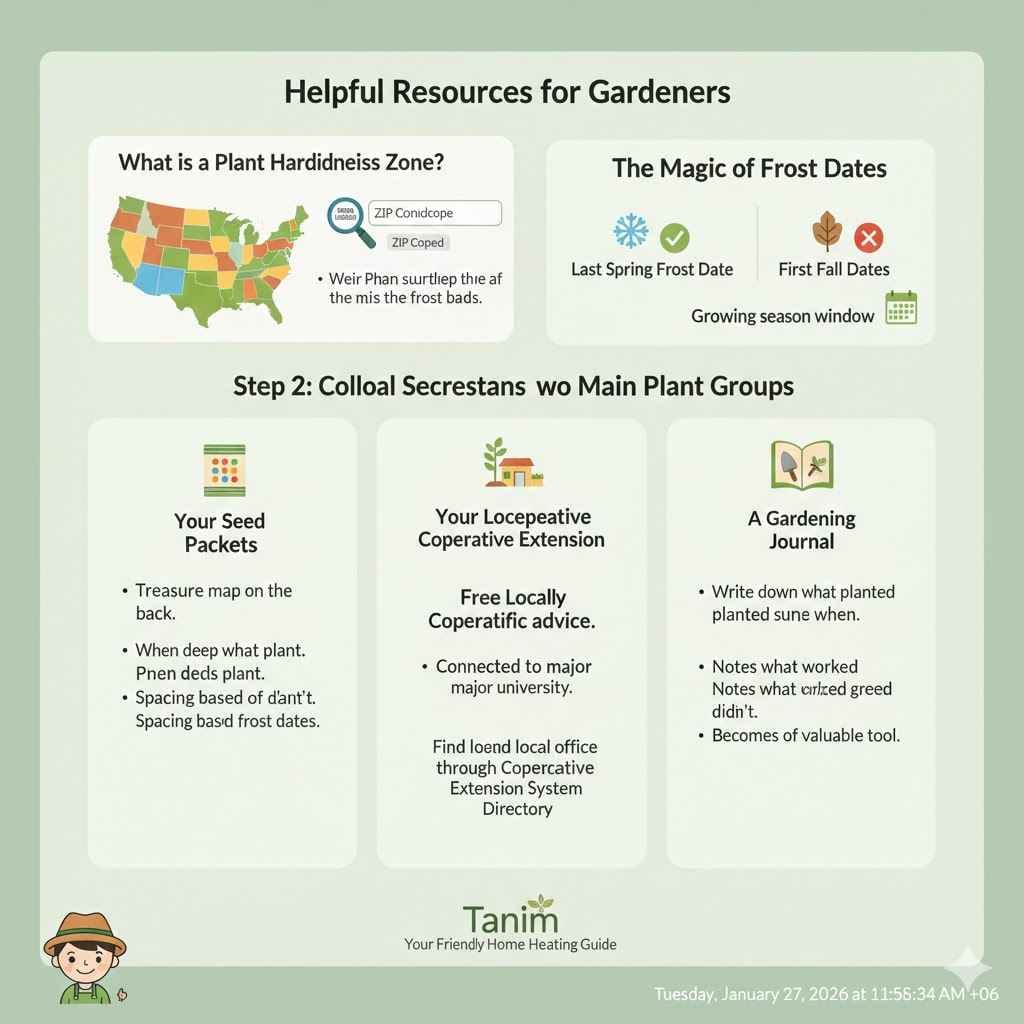
Helpful Resources for Gardeners
You are not alone on your gardening journey! There are many excellent resources to help you.
- Your Seed Packets: The back of every seed packet is a treasure map. It tells you exactly when to plant, how deep to plant, and how far apart to space the seeds based on your frost dates.
- Your Local Cooperative Extension: Nearly every county has an extension office connected to a major university. They offer free, locally-specific advice for gardeners. You can find your local office through the Cooperative Extension System Directory. They are an amazing resource!
- A Gardening Journal: Write down what you planted and when. Make notes on what worked and what didn’t. This journal will become your most valuable tool over the years.
Frequently Asked Questions (FAQ)
1. What is the easiest vegetable to grow for a beginner?
Lettuce, radishes, and bush beans are fantastic choices for beginners. They grow quickly, have few pest problems, and give you a successful harvest fast, which builds confidence.
2. Can I start gardening if I missed the spring planting window?
Absolutely! If it’s early summer, you can still plant fast-growing, heat-loving crops like zucchini and beans. If it’s late summer, it’s the perfect time to start a fall garden with cool-season crops like spinach, kale, and lettuce.
3. How do I know my exact last frost date?
You can ask at a local garden center, or search online for “(Your Town Name) frost dates.” Many gardening websites have calculators that use historical weather data to give you a very good estimate.
4. What’s the difference between starting seeds indoors and planting directly in the garden?
Starting seeds indoors gives slow-growing plants like tomatoes and peppers a head start, especially in climates with short growing seasons. Planting seeds directly in the garden, or “direct sowing,” is best for plants that don’t like their roots disturbed, such as carrots, beets, and beans.
5. Do I need a big yard to start gardening?
Not at all! You can have a wonderful garden in containers on a patio, balcony, or sunny windowsill. Many vegetables, herbs, and flowers grow beautifully in pots. Look for “dwarf” or “container” varieties.
6. How often should I water my new plants?
When you first plant seeds or seedlings, the soil should be kept consistently moist but not soggy. Once plants are established, a general rule is to water deeply once or twice a week rather than a little bit every day. Check the soil with your finger; if it’s dry an inch down, it’s time to water.
7. Is it better to plant in the morning or evening?
Planting in the morning or on an overcast day is ideal. This gives the new plants time to settle in before the heat of the afternoon sun, reducing stress and transplant shock.
Your Journey Begins Now
See? The question of “when do gardening” isn’t so complicated after all. It’s a simple dance with the seasons. By understanding your climate, choosing the right plants for the right time, and following a gentle rhythm, you can create a garden that brings you joy and delicious food.
Don’t worry about getting everything perfect on the first try. Every gardener makes mistakes, and that is how we learn. The most important step is the one you take today—the decision to start. Your effortless genius plan is ready. All you have to do is plant the first seed.
Happy gardening!