
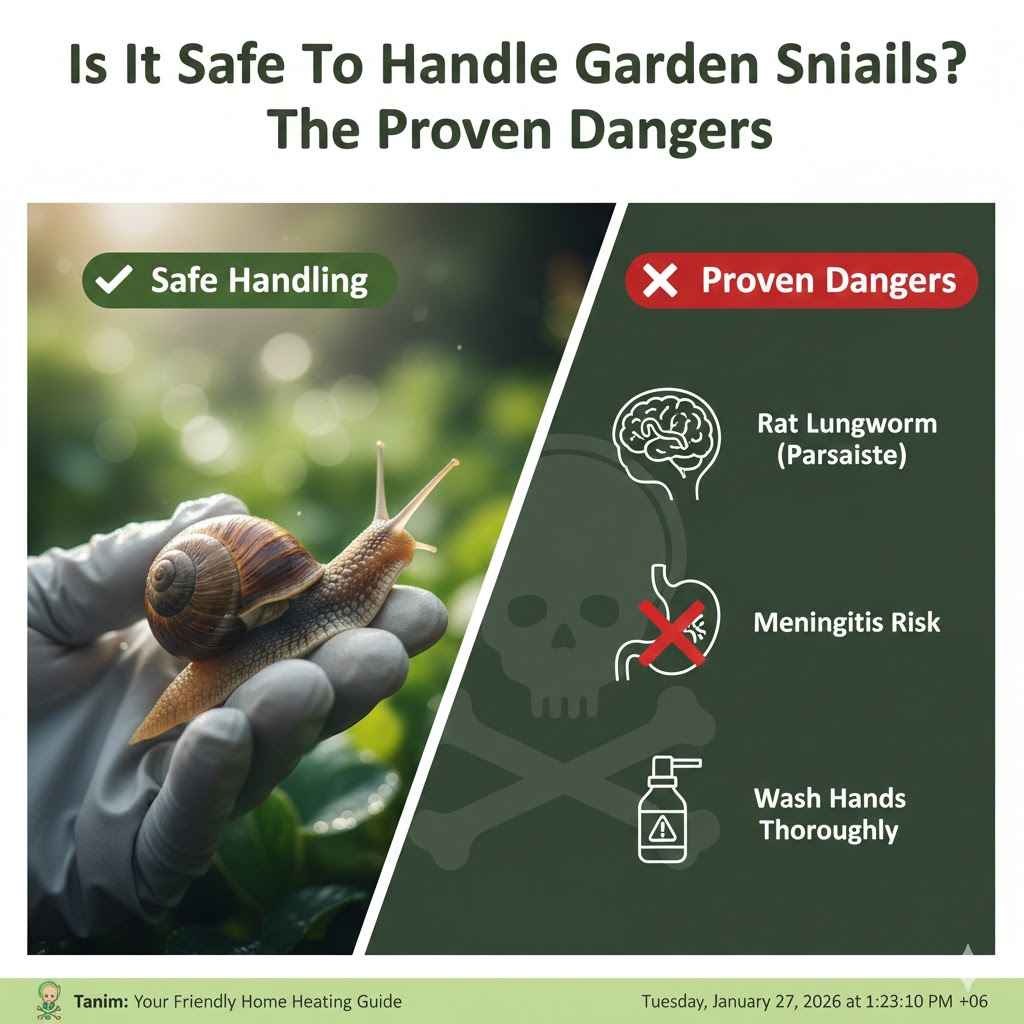
Handling garden snails is generally safe if you take simple precautions. The main risk comes from the rat lungworm parasite, which snails can carry. This parasite can cause serious illness in humans if ingested. To stay safe, always wear gloves when handling snails and wash your hands thoroughly with soap and water afterward.
Hello, fellow gardeners! It’s Md Saiful Islam, here to help you navigate the wonderful world of gardening. Have you ever been out in your garden, admiring your plants, only to spot a trail of silvery slime leading to a common garden snail? It’s a familiar sight for many of us. Your first instinct might be to pluck it off your precious lettuce leaf. But then a question pops into your mind: “Is it actually safe to touch this little creature?”
It’s a great question, and you’re right to ask it. While snails seem harmless, there are a few things every gardener should know. Don’t worry, there’s no need to panic. We’re going to walk through the real risks, step by step, and I’ll show you exactly how to handle these garden visitors safely. Let’s get you the clear answers you need to garden with confidence.
Understanding the Common Garden Snail
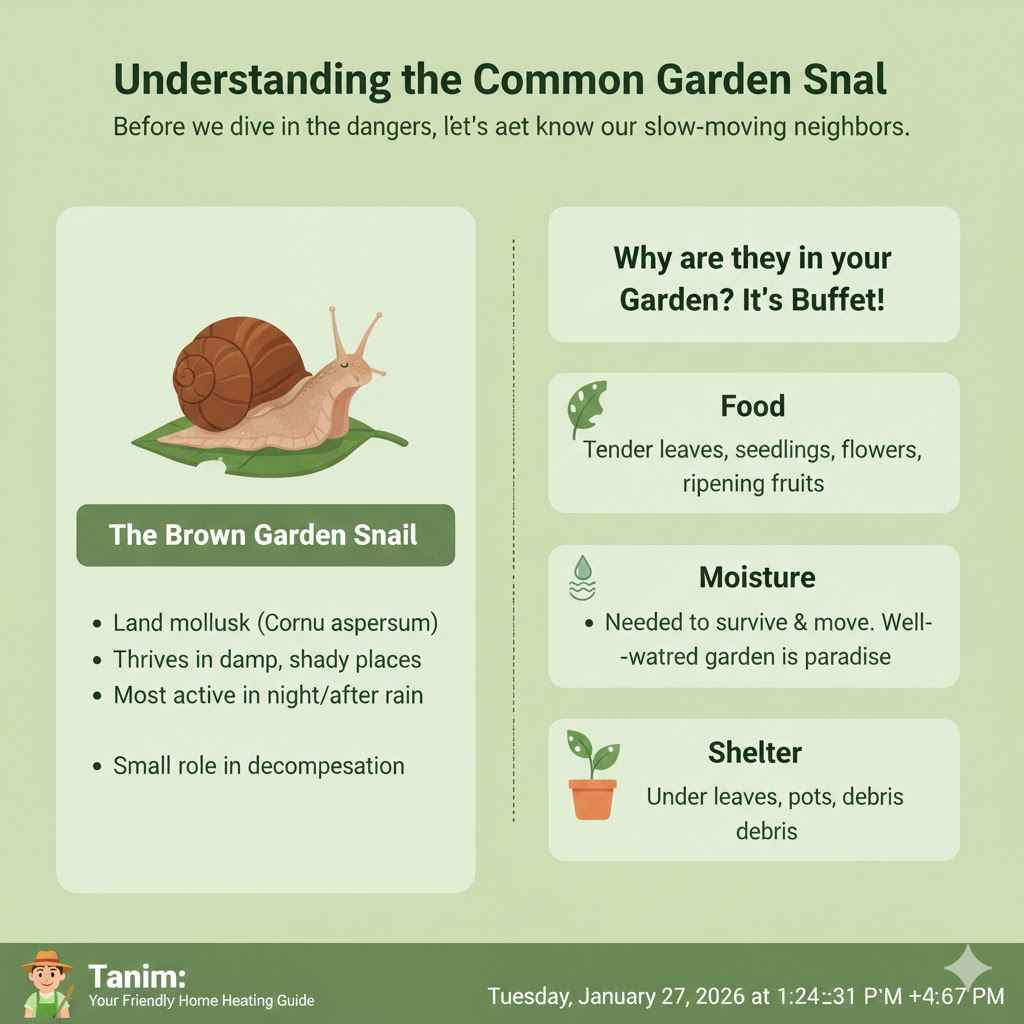
Before we dive into the dangers, let’s get to know our slow-moving neighbors a little better. The snails you typically find munching on your plants are land snails, a type of mollusk. The most common one in many gardens is the Brown Garden Snail (Cornu aspersum). They thrive in damp, shady environments and are most active at night or after a good rain.
Why are they in your garden? Simple: it’s a buffet! Your garden offers everything a snail could want:
- Food: They love to eat tender leaves, seedlings, flowers, and ripening fruits.
- Moisture: They need moisture to survive and move around, so a well-watered garden is paradise for them.
- Shelter: They hide from predators and the hot sun under leaves, pots, and garden debris.
While they play a small role in decomposition by eating decaying plant matter, their appetite for healthy plants is what makes them a common garden pest.
The Primary Health Risk: Rat Lungworm Disease
The most significant danger associated with handling garden snails isn’t from the snail itself, but from a tiny parasite it can carry: the rat lungworm, scientifically known as Angiostrongylus cantonensis. This is the main reason we need to be cautious.
What Is Rat Lungworm?
Rat lungworm is a parasitic roundworm. Its life cycle is a bit complex, but it’s important to understand. Adult worms live in the pulmonary arteries of rats. The rats excrete the larvae, which are then eaten by snails and slugs. Inside the snail, the larvae develop but don’t harm their host.
The cycle is completed when a rat eats an infected snail or slug. Humans, unfortunately, can become accidental hosts if they come into contact with the parasite. This is where the danger to us begins.
How Do Humans Get Infected?
Infection in humans happens primarily through ingestion. You cannot get infected just from the snail touching your skin. The parasite has to enter your body through your mouth. Here are the most common ways that happens:
- Eating Raw Snails: Deliberately eating raw or undercooked snails that are infected is the most direct route of transmission. This is common in some cultures but carries a high risk.
- Contaminated Produce: This is a more likely scenario for a home gardener. A small, infected snail or slug (or even just its slime trail) can be hidden on a lettuce leaf, strawberry, or other raw vegetable. If you eat that produce without washing it thoroughly, you can ingest the larvae.
- Hand-to-Mouth Transfer: If you handle an infected snail with your bare hands and then touch your mouth, nose, or eyes without washing your hands first, you could potentially transfer the larvae. While this is considered a lower risk than eating contaminated food, it’s a risk nonetheless.
The Centers for Disease Control and Prevention (CDC) provides extensive information on this parasite, highlighting the importance of safe food practices and good hygiene.
Symptoms and Severity
When humans are infected, the larvae travel to the brain and can cause a rare type of meningitis called eosinophilic meningitis. The symptoms can be frightening and severe. They often include:
- Severe headache
- Stiff neck
- Nausea and vomiting
- Tingling or painful feelings in the skin
- Sensitivity to light
While most people recover fully, the infection can sometimes lead to serious neurological damage or even be fatal. It’s important to remember that this disease is very rare in most parts of the world, but the potential severity is why taking precautions is so crucial.
Other Potential Dangers of Handling Snails
Beyond the primary concern of rat lungworm, there are a couple of other, less severe risks to be aware of when you encounter snails in your garden.
Bacterial Contamination
Think about where snails live and travel. They crawl through soil, compost piles, decaying leaves, and animal droppings. As they move, their bodies and the slime they produce can pick up various bacteria from the environment. These can include common culprits like Salmonella and E. coli.
If you handle a snail and then prepare food or touch your face without washing your hands, you could transfer these bacteria. This could lead to a gastrointestinal illness, which is unpleasant for anyone but can be more serious for children or individuals with weakened immune systems.
Allergic Reactions
While uncommon, some people may have a mild allergic reaction to snail slime. The proteins in the slime can irritate sensitive skin. This is not a widespread issue, but it’s something to be aware of if you notice any of the following symptoms after handling a snail:
- Redness or rash on the skin
- Itching or a burning sensation
- Small hives or bumps
If you have sensitive skin, wearing gloves is an excellent way to prevent any potential irritation.
A Tale of Two Scenarios: Handling vs. Eating
To make things crystal clear, let’s break down the difference in risk between simply touching a snail and consuming one. This simple comparison should help you understand where the real danger lies.
| Activity | Primary Risk | Risk Level | Best Prevention Method |
|---|---|---|---|
| Handling with Bare Hands | Bacterial transfer (E. coli, Salmonella), potential parasite transfer via hand-to-mouth contact. | Low | Wear gloves and wash hands thoroughly with soap and water for 20 seconds. |
| Eating Raw or Undercooked Snails | Rat Lungworm Disease (Angiostrongylus cantonensis), severe bacterial infections. | High | Never eat wild garden snails. Only consume escargots from reputable sources, cooked to a safe temperature. |
| Eating Unwashed Produce | Ingesting small snails, slugs, or their slime trails containing parasites or bacteria. | Moderate | Thoroughly wash all fruits and vegetables from the garden under running water before eating. |
Step-by-Step Guide to Safely Handling and Removing Garden Snails
Now that you understand the risks, let’s talk about the solution. Removing snails from your plants is often necessary, and you can do it completely safely by following these simple steps. This is my go-to method for keeping my plants safe and myself protected.
Step 1: Gear Up (Protect Yourself)
This is the most important rule. Before you even think about touching a snail, put on a pair of waterproof gardening gloves. This creates a physical barrier between your skin and the snail, its slime, and any potential contaminants. Simple rubber or nitrile gloves work perfectly.
Step 2: The Right Time to Collect
Snails are nocturnal. The best time to find and collect them is either late in the evening as they emerge to feed or very early in the morning before they retreat into hiding. They are also much more active after it rains, so a post-shower stroll through the garden can be very productive.
Step 3: Gentle Collection
Once you’ve spotted them, gently pick them up with your gloved hands. If they are attached firmly to a leaf, you can use a small spoon or a trowel to nudge them off without damaging your plant. Place them in a bucket or a container with a lid to prevent them from crawling out.
Step 4: Humane Relocation or Disposal
What you do next is up to you. The kindest option is relocation. Take the bucket of snails to a nearby woodland, a wild field, or another uncultivated area far away from your (and your neighbors’) gardens. If relocation isn’t practical, a common disposal method is to drop them into a bucket of soapy water, which is a quick and effective way to dispatch them.
Step 5: The Most Important Step – Clean Up!
This step is non-negotiable. After you’ve finished, clean everything thoroughly. Wash your gardening gloves with soap and water and let them dry. Most importantly, wash your hands with soap and warm water for at least 20 seconds. Be sure to scrub under your fingernails. Even if you wore gloves, this final handwash is a critical step to ensure you’ve removed any potential contaminants.
What About Children and Pets? A Special Word of Caution
Your garden is a space for the whole family, including kids and pets. Their natural curiosity can put them at a higher risk, so it’s essential to be extra vigilant.
Keeping Kids Safe
Children love exploring, and a slimy snail can be a fascinating discovery. However, kids are also more likely to put their hands in their mouths. It’s crucial to supervise young children in the garden and teach them some basic safety rules:
- Teach the “Look, Don’t Lick” Rule: Encourage them to observe wildlife like snails from a distance.
- Gloves for Garden Helpers: If your child wants to help with gardening tasks, get them their own pair of kid-sized gloves.
- Supervise Hand-to-Mouth Habits: Gently remind them not to put their hands in their mouths while playing outside.
- Mandatory Handwashing: Make it a firm rule that everyone washes their hands thoroughly with soap and water after playing or gardening outside.
Protecting Your Pets
Our furry friends are also at risk. Dogs, in particular, may eat snails or slugs out of curiosity. This can expose them to rat lungworm, which can be just as dangerous for them as it is for us. According to the Cornell University College of Veterinary Medicine, lungworm infections can cause respiratory problems in pets.
Here’s how to protect them:
- Supervise Pet Time: Keep an eye on your dog or cat when they are in the garden.
- Discourage “Snacking”: Train your dog with a “leave it” command to prevent them from eating things they find on the ground.
- Keep Bowls Clean: Don’t leave pet food or water bowls on the ground outside overnight, as snails may be attracted to them and contaminate them with slime.
- Know the Symptoms: If your pet shows signs of coughing, lethargy, or difficulty breathing after being in the garden, consult your veterinarian immediately.
Creating a Snail-Resistant Garden: Prevention is Key
The safest snail is one that isn’t in your garden to begin with! By making your garden less inviting, you can reduce your encounters and protect your plants at the same time.
Natural Deterrents
You don’t need harsh chemicals to keep snails away. These natural methods are effective and safe for your garden’s ecosystem.
- Create Rough Barriers: Snails dislike crawling over sharp, dry surfaces. Sprinkle a border of crushed eggshells, coarse sand, or diatomaceous earth around vulnerable plants.
- Use Copper Tape: Copper reacts with snail slime to produce a tiny electric shock that they find unpleasant. You can buy copper tape at garden centers and wrap it around the rims of your pots and raised beds.
- Harness the Power of Scent: Snails are repelled by strongly scented plants. Try planting aromatic herbs like rosemary, sage, thyme, or lavender near plants that snails tend to target.
- Coffee Grounds: Many gardeners swear by scattering used coffee grounds around their plants. The caffeine is toxic to snails, and the gritty texture acts as a deterrent.
Garden Maintenance Tips
A tidy garden is a less snail-friendly garden. A few simple changes to your routine can make a big difference.
- Water in the Morning: If you water your garden in the morning, the soil surface and plant leaves will have time to dry out before nightfall. Snails prefer damp surfaces, so this makes it harder for them to move around.
- Clear Away Hiding Spots: Snails hide during the day under boards, stones, pots, and thick piles of mulch or leaves. Regularly tidying up these areas will remove their daytime shelters.
- Encourage Natural Predators: Make your garden a welcoming place for animals that eat snails. Birds, toads, frogs, and some beetles are all natural predators. A small birdbath or a log pile can help attract this helpful wildlife.
The Great Snail Debate: Are They Friends or Foes?
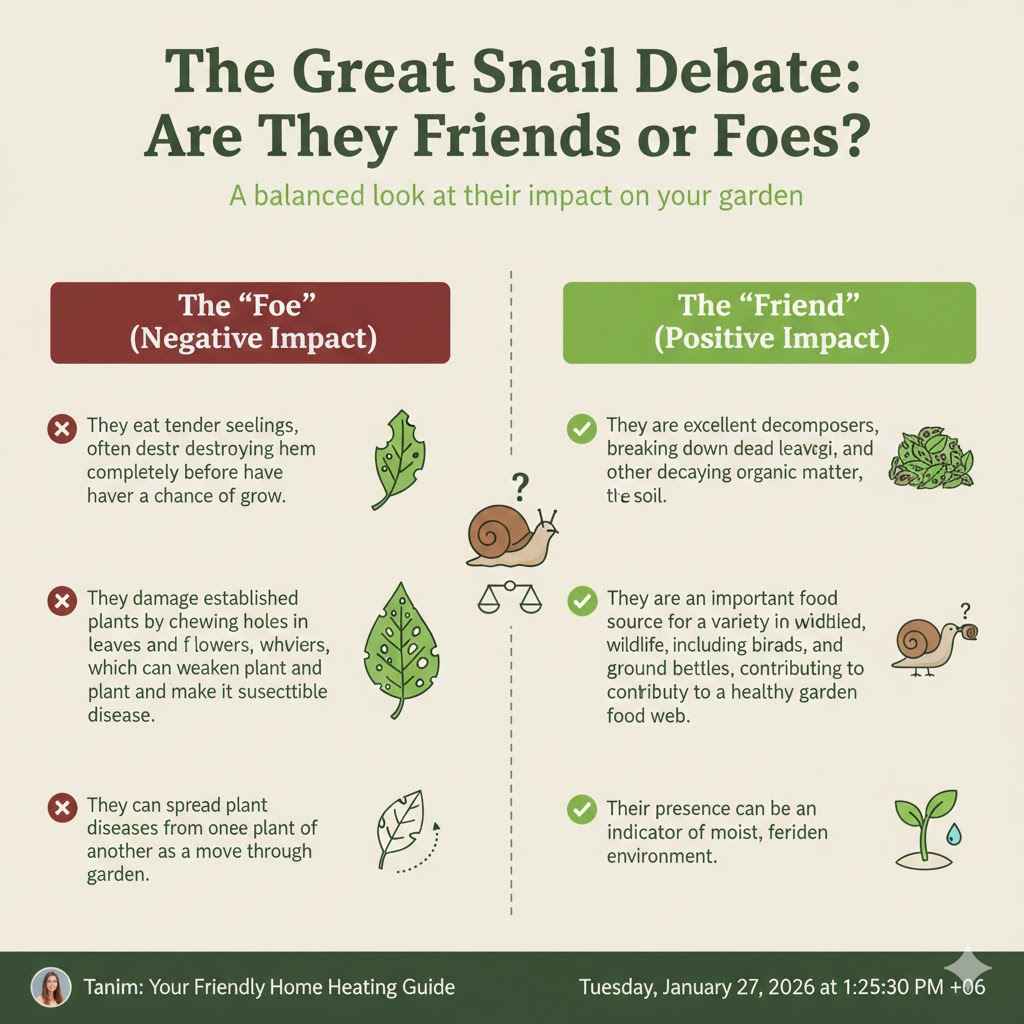
It’s easy to see snails as nothing but pests, but like most creatures, they have a role to play in the ecosystem. Here’s a balanced look at their impact on your garden.
| The “Foe” (Negative Impact) | The “Friend” (Positive Impact) |
|---|---|
| They eat tender seedlings, often destroying them completely before they have a chance to grow. | They are excellent decomposers, breaking down dead leaves, fungi, and other decaying organic matter, which enriches the soil. |
| They damage established plants by chewing holes in leaves and flowers, which can weaken the plant and make it susceptible to disease. | They are an important food source for a variety of wildlife, including birds, toads, and ground beetles, contributing to a healthy garden food web. |
| They can spread plant diseases from one plant to another as they move through the garden. | Their presence can be an indicator of a moist, fertile garden environment. |
Frequently Asked Questions (FAQ)
Is snail slime harmful to touch?
For most people, snail slime itself is not harmful to touch. However, it can carry bacteria from the environment and, in rare cases, the larvae of the rat lungworm parasite. It’s always best to wash your hands after any contact.
Can I get sick from a snail crawling on my vegetables?
Yes, this is a primary way people can get sick. If an infected snail leaves a slime trail on produce that you then eat raw, you could ingest the rat lungworm parasite. This is why it’s absolutely critical to wash all garden produce thoroughly under running water before eating it.
Do all snails carry the rat lungworm parasite?
No, not all snails are infected. The parasite is more common in certain tropical and subtropical regions. However, it’s impossible to know which snails are carriers just by looking at them, which is why you should treat every snail as potentially infectious and always take safety precautions.
What should I do if my child touches a snail?
Don’t panic. The risk from simply touching a snail is very low. The most important thing to do is to ensure your child washes their hands thoroughly with soap and warm water right away. Supervise them to make sure they don’t put their hands in their mouth before washing.
Are store-bought escargots safe to eat?
Yes, escargots prepared for culinary purposes are generally safe. They are raised in controlled environments and are purged, processed, and cooked to temperatures that kill any potential parasites or harmful bacteria. You should never eat snails collected from your garden.
Is it okay to just throw snails over the fence?
While this gets them out of your garden temporarily, it’s not a great long-term solution. Snails have a homing instinct and can travel surprisingly far to return. It also just makes them your neighbor’s problem. Relocating them to a wild area far away is a much more effective and considerate option.
Can my dog get sick from licking a snail’s slime trail?
While the risk is lower than eating a whole snail, it is theoretically possible for a pet to ingest the parasite’s larvae from a slime trail. It’s best to discourage your pets from licking surfaces where snails have been and to keep their outdoor water and food bowls clean.
Conclusion: Gardening with Confidence and Care
So, is it safe to handle garden snails? The answer is a confident “yes,” as long as you do it with knowledge and care. The risks, while serious, are easily managed with a few simple, common-sense habits. It all comes down to one golden rule: create a barrier and clean up afterward.
By always wearing gloves and washing your hands thoroughly, you virtually eliminate the risk of transferring any harmful parasites or bacteria. By being mindful of your produce and washing it well, you protect yourself and your family from the inside out. Snails are a natural part of the garden ecosystem, and managing them doesn’t have to be a source of fear. It’s simply another part of being a smart, safe, and successful gardener.
Now you can approach those slimy visitors not with worry, but with a clear plan. Keep enjoying the magic of your garden, nurture your plants, and handle every challenge with the confidence of a seasoned pro. Happy gardening!