
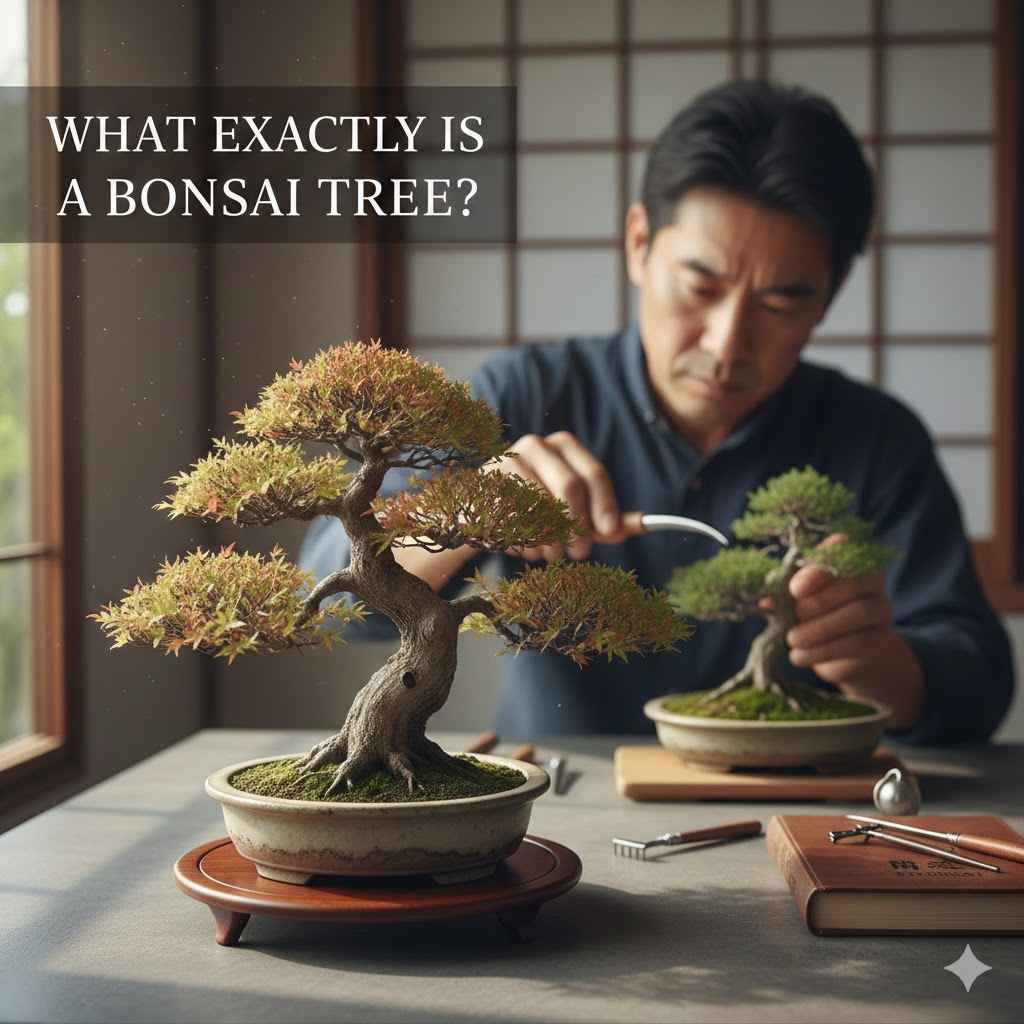
Bonsai trees grow by using horticultural techniques like pruning, wiring, and root restriction to cultivate small trees in containers that mimic the shape and style of mature, full-size trees. It’s an art form that controls a regular tree’s growth, rather than growing a genetically small plant. Consistent care is key.
Have you ever looked at a tiny bonsai tree and wondered how it stays so small? It can seem like a magical, complicated secret. Many people think bonsai are special “dwarf” plants. But the truth is much more interesting. Bonsai is an art form that anyone can learn.
Growing a bonsai is a peaceful and rewarding journey. It connects you with nature in a unique way. It might look challenging, but it’s not as hard as you think. With the right guidance, you can grow a beautiful, healthy bonsai tree of your own.
In this guide, I’ll walk you through everything you need to know. We will break down the process into simple, easy steps. You will learn the proven tips to help your tiny tree thrive for years to come. Let’s get started!
What Exactly Is a Bonsai Tree?
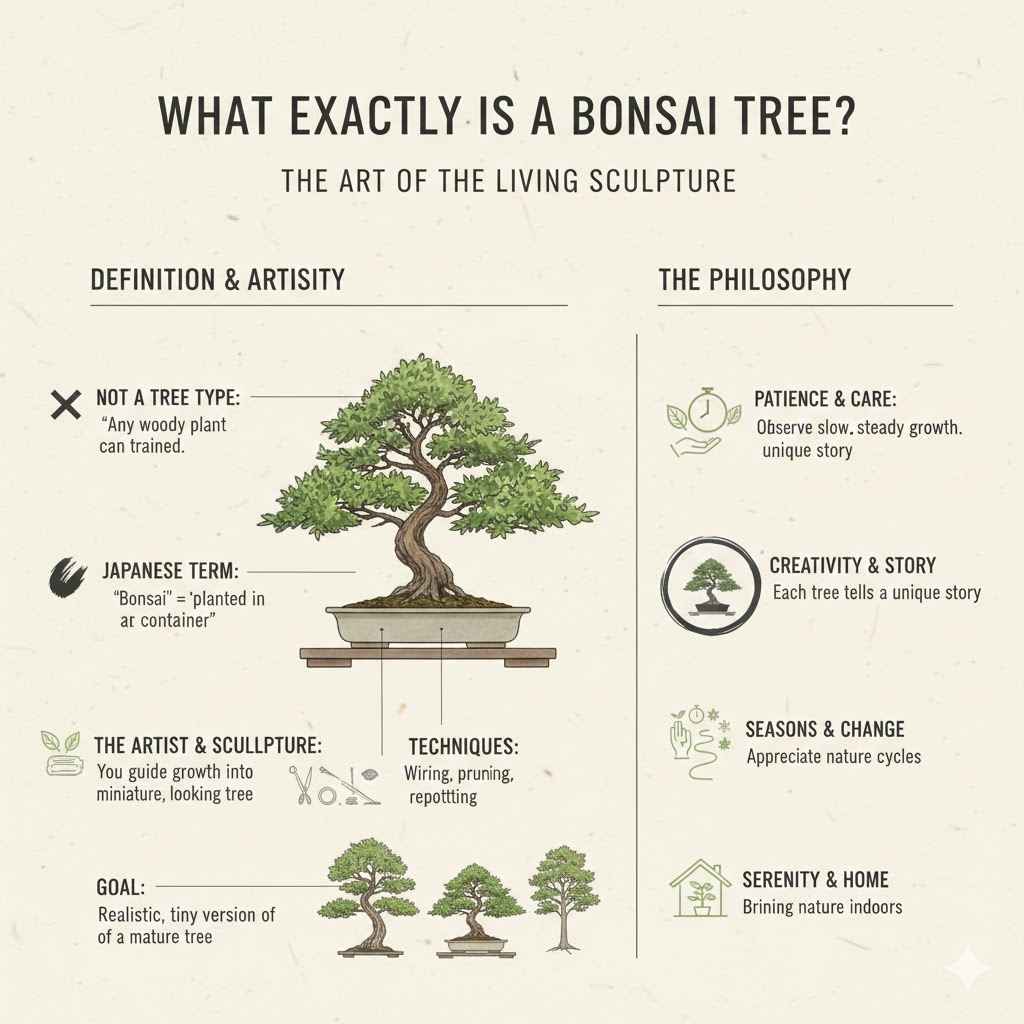
Before we dive into how to grow one, let’s clear up a common misunderstanding. A bonsai is not a specific type of tree. “Bonsai” is a Japanese term that literally means “planted in a container.” It is the art of growing and shaping a regular tree or shrub in a small pot.
Think of it like this: you are the artist, and the tree is your living sculpture. You use special techniques to guide its growth, making it look like an ancient, majestic tree from nature, just in miniature form. Any tree species with small leaves and a woody stem can be trained into a bonsai. The goal is to create a realistic, tiny version of a full-sized tree.
The Philosophy Behind Bonsai
Bonsai is more than just gardening; it’s a practice of patience, care, and creativity. It teaches you to observe the subtle changes of the seasons and appreciate the slow, steady process of growth. Each tree tells a story, shaped by your hands and the passing of time. It’s a wonderful way to bring a piece of serene nature into your home.
The Science of Bonsai Growth: How It Stays Small
So, how does a tree that could grow 50 feet tall in the wild stay just a foot tall in a pot? It comes down to a few key principles that work together to control the tree’s size and shape.
1. Container and Root Restriction
The single most important factor is the small pot. A tree’s root system can only grow as large as its container allows. When the roots are confined, they cannot absorb as many nutrients and water as they would in the ground. This limited root system sends a signal to the rest of the tree to slow down its growth. The leaves, branches, and trunk all grow much smaller and slower as a result.
2. Pruning and Trimming
Regular pruning is essential to bonsai. This involves two main types:
- Root Pruning: Every few years, you will take the tree out of its pot and carefully trim its roots. This encourages the growth of fine, fibrous feeder roots, which are better at absorbing nutrients. It also prevents the tree from becoming “root-bound,” where the roots circle the pot and choke themselves.
- Branch and Leaf Pruning: Trimming the branches and leaves does more than just shape the tree. It helps redirect the tree’s energy. By cutting back new growth, you encourage the tree to develop smaller leaves and more intricate, dense branching, creating that classic bonsai look.
3. Strategic Shaping with Wire
Wiring is a gentle technique used to guide the direction of the trunk and branches. By wrapping a soft wire around a branch, you can carefully bend it into a desired position. Over several months, the branch will harden in its new shape, and the wire can be removed. This allows you to create the beautiful, artistic forms that make bonsai so captivating.
Choosing Your First Bonsai Tree
Starting with the right tree can make all the difference. Some species are much more forgiving for beginners than others. I recommend starting with a young, pre-started tree from a nursery instead of trying to grow one from seed. Growing from seed can take many years to see results.
Top 3 Beginner-Friendly Bonsai Species
Here are three of the easiest and most popular choices for anyone new to the art of bonsai:
- Ficus (Ficus retusa): An excellent indoor bonsai. It’s tough, adaptable, and grows aerial roots that look amazing. It’s also very forgiving if you occasionally forget to water it.
- Juniper (Juniperus procumbens nana): This is the classic outdoor bonsai you often see in pictures. It’s very hardy, easy to wire and shape, and loves the sun. It must be kept outdoors year-round.
- Chinese Elm (Ulmus parvifolia): A fantastic choice because it can be grown indoors or outdoors. It has naturally small leaves and develops a great twiggy structure quickly. It’s also very resilient.
To help you decide, here is a simple comparison of these three popular choices:
| Tree Species | Best Placement | Watering Needs | Difficulty Level |
|---|---|---|---|
| Ficus | Indoors | Moderate (likes to dry out slightly) | Very Easy |
| Juniper | Outdoors | Moderate (do not let it dry out completely) | Easy |
| Chinese Elm | Indoors or Outdoors | High (likes consistently moist soil) | Easy |
The 7 Essential Elements of Bonsai Care
Growing a healthy bonsai comes down to getting a few key things right. Let’s walk through each one step-by-step. Think of these as the building blocks for your tree’s long and happy life.
1. The Right Pot and Soil
The pot is not just a container; it’s a crucial part of the bonsai system. A proper bonsai pot is shallow and has large drainage holes at the bottom. These holes are vital for preventing water from sitting around the roots, which can cause root rot.
Bonsai soil is also very different from regular potting mix. It is a gritty, fast-draining mixture designed to provide excellent aeration and prevent waterlogging. A good bonsai mix typically contains:
- Akadama: A hard-baked Japanese clay that holds water and nutrients.
- Pumice: A lightweight volcanic rock that helps with water retention and aeration.
- Lava Rock: Adds structure to the soil and improves drainage.
You can buy pre-mixed bonsai soil or create your own blend. For a beginner, a pre-mixed bag is the easiest way to start.
2. Watering Your Bonsai Correctly
Watering is the area where most beginners struggle. The biggest mistake is watering on a fixed schedule (e.g., every Tuesday). Bonsai trees need to be watered based on their individual needs, which change with the season, temperature, and humidity.
How to Know When to Water:
The best way to check is with your finger. Push your finger about half an inch into the soil. If it feels dry, it’s time to water. If it feels damp, wait another day and check again.
How to Water:
When you do water, do it thoroughly. Use a watering can with a fine rose or a gentle hose setting. Water the soil until you see water flowing freely out of the drainage holes at the bottom of the pot. This ensures that the entire root system gets a good drink.
3. Light and Placement
All trees need light to survive, and bonsai are no exception. The amount of light needed depends on the species.
- Outdoor Bonsai: Trees like Juniper, Pine, and Maple need to live outside all year. They require at least 4-6 hours of direct sunlight each day. They also need to experience the changing seasons, including a cold winter dormancy period, to stay healthy.
- Indoor Bonsai: Tropical and subtropical trees like Ficus, Jade, and Chinese Elm can be grown indoors. They should be placed in the brightest spot in your home, typically a south-facing window. If you don’t have enough natural light, you can supplement with a grow light.
4. Pruning – Shaping Your Masterpiece
Pruning is how you maintain your tree’s miniature size and refined shape. Don’t be afraid of it! Regular trimming is healthy for the tree.
Maintenance Pruning
This is the light, regular trimming you’ll do throughout the growing season. The goal is to maintain the tree’s established shape. When a new shoot grows, let it extend for a bit and then trim it back to one or two sets of leaves. This encourages the tree to grow more branches from that point, creating a denser, more compact appearance.
Structural Pruning
This is more significant pruning, done once or twice a year, usually in the spring or fall. It involves removing larger branches to define the tree’s fundamental structure or to correct a shape. For beginners, it’s best to start with small cuts and gradually become more confident. Remember, you can always cut more off, but you can’t put a branch back on!
5. Wiring – Gentle Guidance for Branches
Wiring is the technique that allows you to create those graceful, flowing lines in your bonsai. It’s a simple concept: you wrap a special wire around a branch and then bend the branch into the desired position. The tree will then grow into this new shape.
How to Wire Your Bonsai:
Choose the Right Wire: Use anodized aluminum wire for deciduous trees and annealed copper wire for conifers. The wire should be about one-third the thickness of the branch you are wiring.
Anchor the Wire: Anchor one end of the wire by wrapping it around the trunk or a thicker branch before you start on the target branch.
–
- Wrap Carefully: Wrap the wire around the branch at a 45-degree angle. It should be snug enough to hold the branch but not so tight that it cuts into the bark.
- Bend Gently: Once the wire is on, carefully bend the branch into its new position. Support the branch with your thumbs at the point of the bend to avoid snapping it.
- Remove in Time: Leave the wire on for a few months to a year, depending on how quickly the tree grows. Check it regularly. You must remove the wire before it starts to cut into the swelling bark. Carefully cut the wire off in small pieces; don’t try to unwind it.
6. Fertilizing for Health
Because bonsai live in a small amount of soil, they quickly use up the available nutrients. To keep your tree healthy and strong, you need to fertilize it regularly during the growing season (spring through fall).
You can use either a liquid fertilizer or a solid organic fertilizer. Follow the instructions on the package, but a good rule of thumb is to fertilize every two weeks with a balanced liquid fertilizer diluted to half strength. Avoid fertilizing a tree that is sick, stressed, or has just been repotted.
7. Repotting – Giving Roots Room to Grow
Repotting is a vital process that gives your tree fresh soil and prevents it from becoming root-bound. Most young bonsai trees need to be repotted every two years, while older, more established trees can go three to five years.
The best time to repot is in early spring, just as the new buds are beginning to swell.
A Simple Guide to Repotting:
- Carefully remove the tree from its pot. You may need to run a knife around the inside edge.
- Gently rake out the old soil from the roots with a root hook or a chopstick.
- Trim away the outer and bottom third of the root mass using sharp, clean scissors. This is crucial for encouraging new root growth. For more details on safe pruning, you can review guidelines like those from the University of Minnesota Extension.
- Place a mesh screen over the drainage holes of the pot.
- Add a thin layer of fresh bonsai soil to the bottom of the pot.
- Position the tree in the pot and fill the remaining space with new soil, using a chopstick to work the soil in around the roots and remove any air pockets.
- Water the tree thoroughly until water runs out of the drainage holes.
- Keep the newly repotted tree in a shady, protected spot for a few weeks to allow it to recover.
Common Bonsai Problems and Easy Solutions
Even with the best care, you might run into a few issues. Here’s a quick guide to troubleshooting some common problems.
| Problem | Possible Cause(s) | Simple Solution |
|---|---|---|
| Yellowing Leaves | Overwatering, underwatering, or lack of nutrients. | Check soil moisture before watering. Stick to a regular fertilizing schedule during the growing season. |
| Dropping Leaves | Change in location, lack of light, or stress from repotting. | Place the tree in a bright, stable location and be patient. Avoid moving it around too much. |
| White, Fluffy Spots | Mealybugs or other pests. | Dab the spots with a cotton swab dipped in rubbing alcohol. For larger infestations, use an insecticidal soap. |
| Dry, Brittle Branches | Underwatering or a dead branch. | Check the soil more frequently. Scratch the bark of the branch; if it’s green underneath, it’s alive. If it’s brown, prune it off. |

Frequently Asked Questions (FAQ)
How long do bonsai trees live?
With proper care, a bonsai tree can live for an incredibly long time—often much longer than its full-sized counterpart in the wild! It’s not uncommon for bonsai to live for hundreds of years, passed down through generations.
Can I grow a bonsai tree indoors?
Yes, but you must choose the right species. Tropical and subtropical trees like Ficus, Jade, and Hawaiian Umbrella trees are well-suited for indoor environments. Temperate trees like Junipers, Pines, and Maples must be kept outdoors to experience the seasons.
Is it hard to grow a bonsai tree?
It’s a skill that takes practice, but it’s not as difficult as it seems. The key is consistency. If you can learn to water properly and provide the right amount of light, you’ve won half the battle. Start with an easy species to build your confidence.
What is the easiest bonsai tree for a beginner?
The Ficus is widely considered the easiest bonsai for beginners. It’s very resilient, tolerates a wide range of conditions, and is forgiving of mistakes, making it a perfect first tree to learn with.
How often should I water my bonsai?
There is no fixed schedule. You should only water your bonsai when the soil feels slightly dry to the touch. This could be every day in the summer or once every few days in the winter. Always check the soil first.
Can I make a bonsai from any tree?
Technically, yes, almost any woody-stemmed tree or shrub can be turned into a bonsai. However, species with naturally small leaves and needles, like Chinese Elm or Juniper, are much easier to work with and produce more realistic-looking results.
Why are my bonsai leaves turning yellow?
Yellow leaves are most often a sign of a watering issue—either too much or too little. It can also be a sign of a nutrient deficiency. Check your watering routine first, and if that seems correct, make sure you are fertilizing regularly during the growing season.
Your Bonsai Journey Begins
Growing a bonsai tree is a beautiful and meditative hobby that brings nature into your life in a deeply personal way. It’s not about finding a “magic” dwarf tree, but about learning the gentle art of guiding a regular tree’s growth. By understanding the core principles—the right pot, proper watering, good light, and regular pruning—you have all the tools you need to succeed.
Don’t be afraid to make mistakes; every bonsai artist has killed a few trees along the way. Each tree is a learning experience. Be patient, be observant, and enjoy the slow, rewarding process of watching your miniature tree take shape. You are not just growing a plant; you are cultivating a living piece of art that will bring you peace and joy for many years to come.